Cybertrucks at Starbase Reveal Tesla–SpaceX Convergence

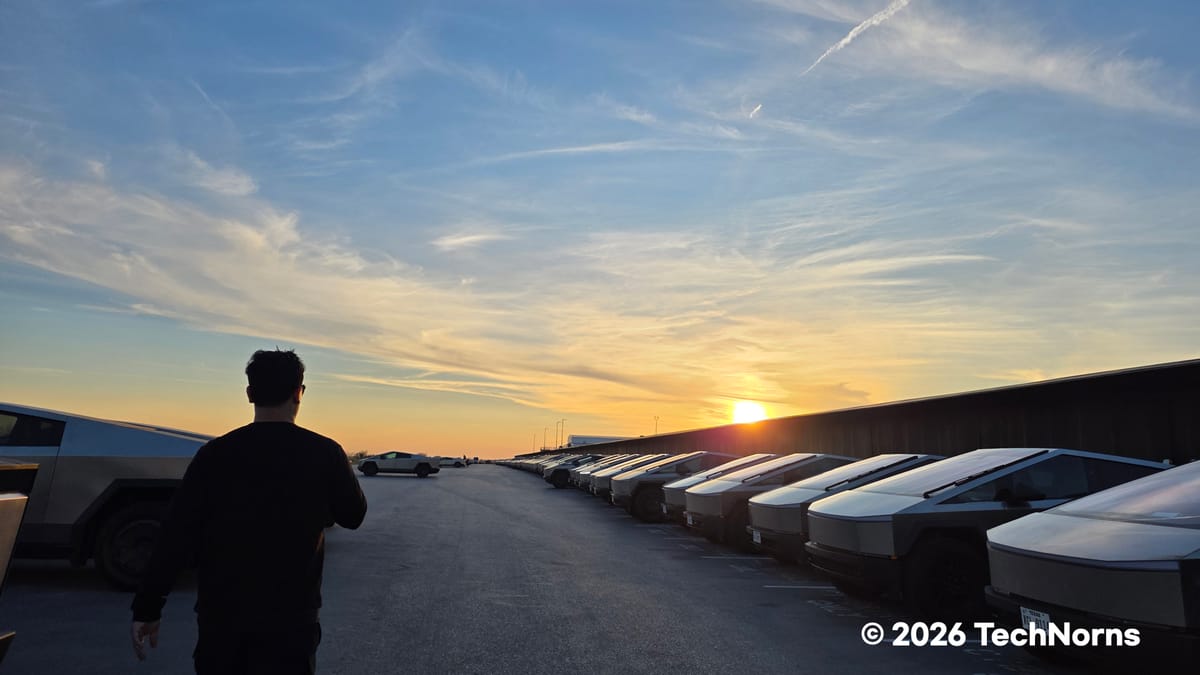
Cybertrucks at Starbase show how Tesla and SpaceX are converging into a single hardware ecosystem
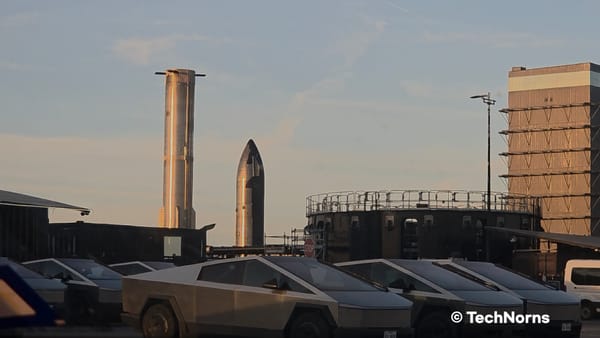
In January 2026, in the desolate wetlands of Boca Chica, Texas, I saw something that didn’t read as a car story. Beneath the looming profile of Starship—arguably the most ambitious launch system ever built—sat rows of Cybertrucks. Parked under the launch towers, they looked less like a product lineup and more like infrastructure: hardware staged for a mission.
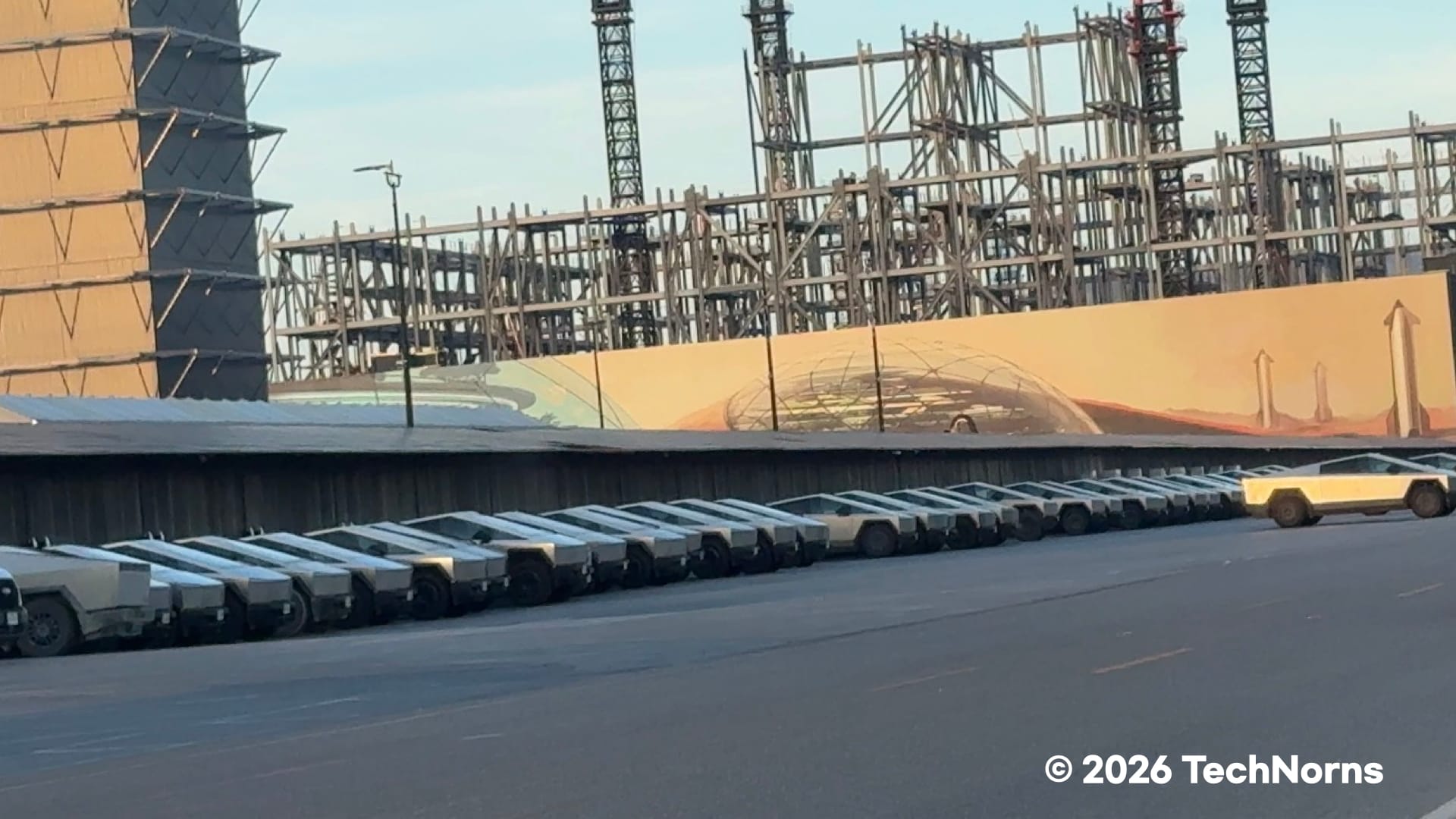
An armored vehicle built to traverse Earth’s harshest terrain (Tesla) and a spacecraft designed for Mars (SpaceX) share the same stainless-steel alloy and occupy the same physical space.
This is a record of physical intelligence as it appears at Starbase—overwhelming and impossible to grasp from a distance.
A decade ago, visiting Tesla’s Fremont factory was about survival. The scene at Starbase suggests a different phase: Musk’s companies are no longer separate narratives running in parallel. They are beginning to function as a single, integrated hardware ecosystem. This is the early shape of physical intelligence—where shared materials, manufacturing methods, and compute are linking SpaceX’s spacecraft ambitions with Tesla’s vehicles, alongside xAI’s models and Neuralink’s interfaces.
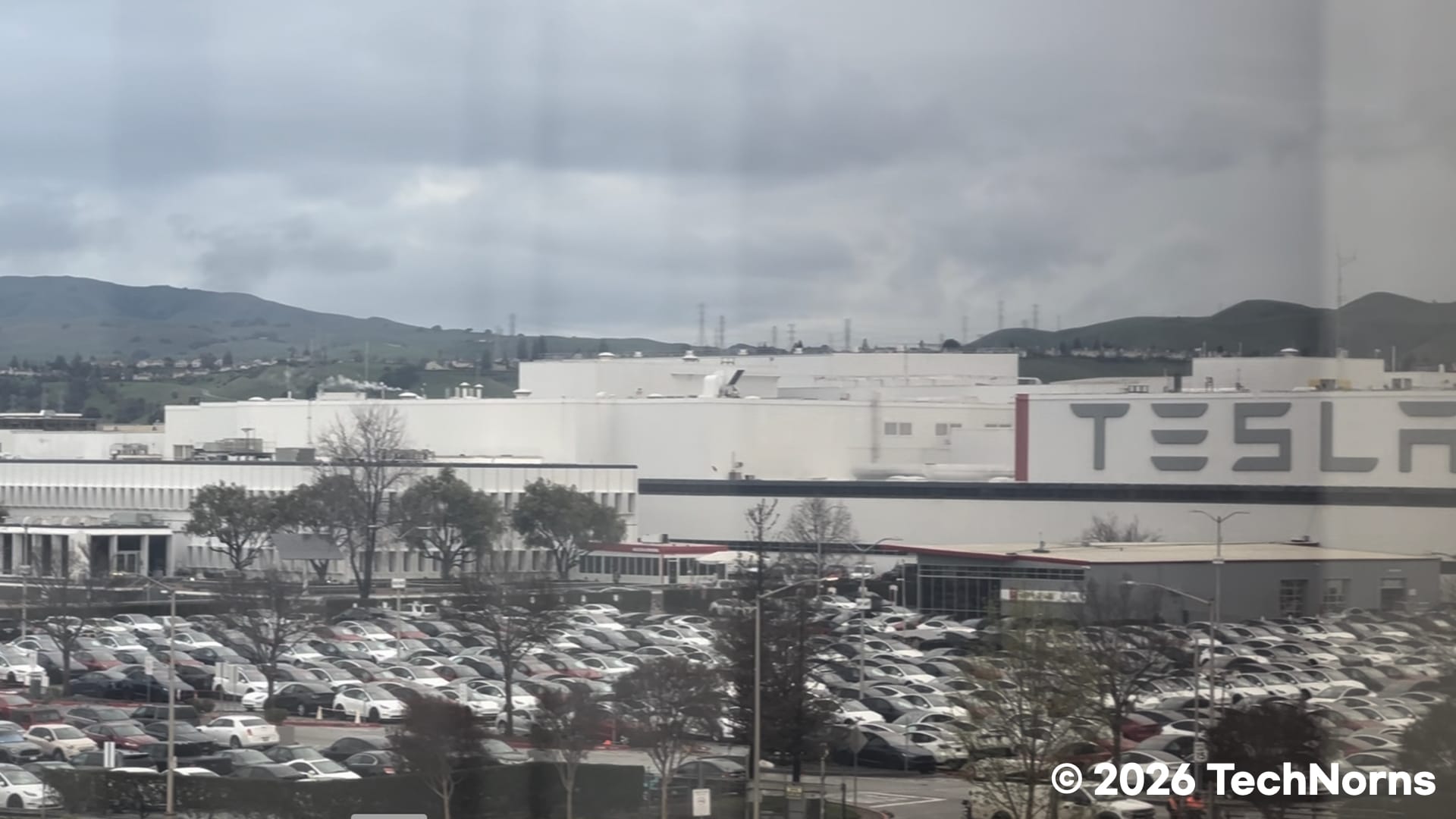
Tesla’s Fremont factory, where survival turned into execution. While Starbase points to what comes next, Fremont shows how Tesla pushed through production hell and made physical intelligence operational—at scale.
Why Study the Musk Ecosystem Now?
Critics fixate on Musk’s behavior and Tesla’s volatility and conclude the company’s peak is behind it. The view from the ground is more complicated. Understanding the Musk ecosystem is increasingly less about investing in a stock and more about understanding how strategic capability is being assembled—across transportation, robotics, AI, and manufacturing.
Technology as strategic intelligence.
Falcon 9’s reusability delivered a capability that major governments pursued for decades. The technologies inside Musk’s orbit—launch, autonomy, manufacturing velocity—are becoming strategic assets that don’t map neatly to national borders.
A unified brain.
Tesla’s FSD is evolving into a software foundation for Optimus, and that work increasingly intersects with xAI’s large-scale models. Neuralink sits at the edge of this system as a potential interface layer between machine intelligence and human cognition.
Innovation as a subject of study.
The point isn’t to respond emotionally—admiration or disgust—but to study the methods. Giga casting, for example, isn’t just a cost play; it’s a structural simplification of manufacturing that legacy automakers have struggled to replicate at scale.
Decoding from the Front Lines
For over a decade, I’ve tracked global tech from the U.S. to industrial hubs in China, Japan, and Germany. This series isn’t desk research. It’s built from firsthand observation—dust at Starbase, direct contact with Falcon 9 hardware, and the cold stainless steel of the Cybertruck.
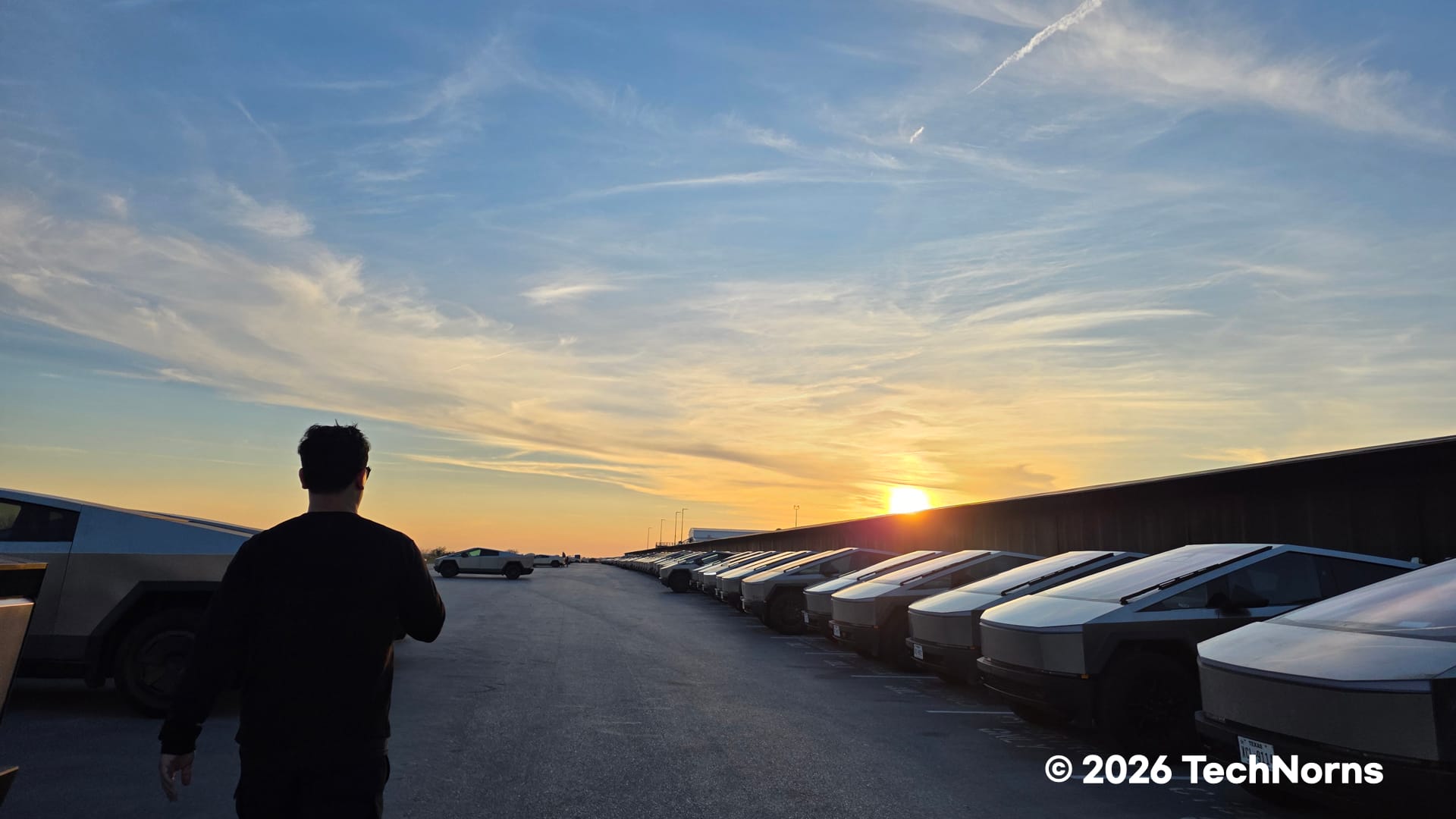
Cybertrucks staged at SpaceX’s Starbase, where vehicle manufacturing and launch infrastructure intersect.
The image reflects how Tesla and SpaceX are beginning to converge at the level of materials, hardware, and physical deployment.
The Cybertrucks at Starbase make one thing clear: “Master Plan 4” is no longer just a document. It’s showing up as deployed hardware. The question now is what this emerging intelligence stack means for industry—and for daily life.