How Lisa Su Rebuilt AMD: Leadership Through Discipline and Execution
At CES 2026, Lisa Su didn’t just present AMD’s roadmap—she embodied it. Through discipline, execution, and a decade of consistency, AMD rebuilt trust not with promises, but with systems that deliver. This is how leadership becomes performance.

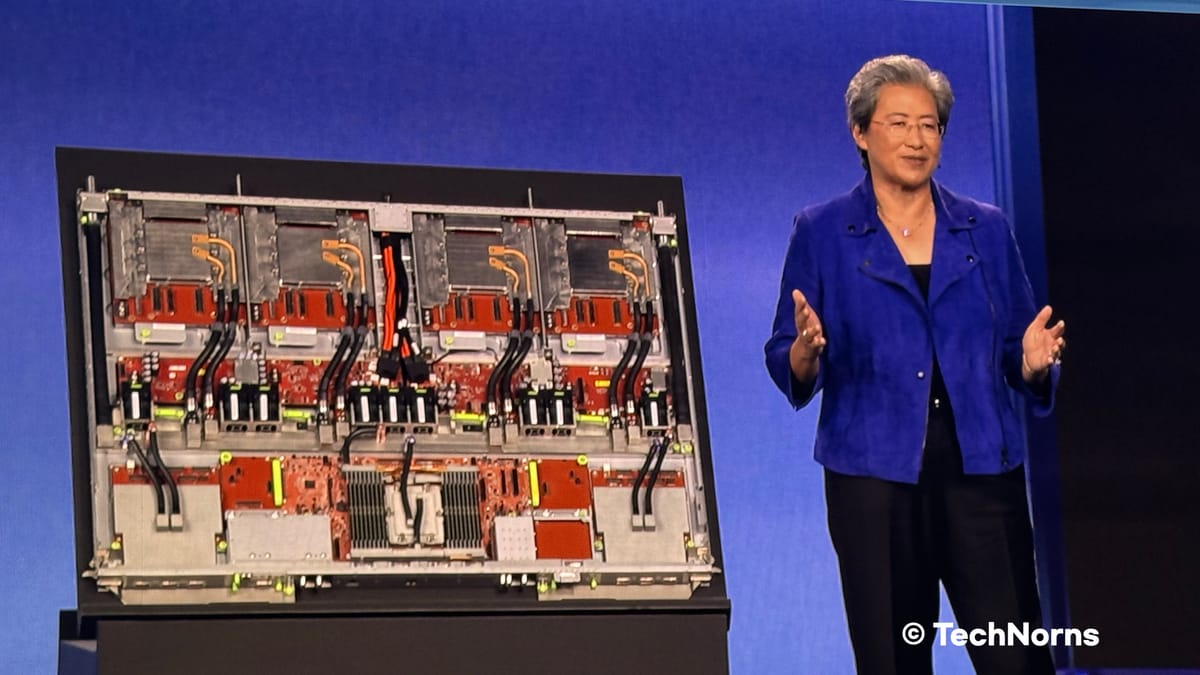
On the CES 2026 keynote stage, AMD’s chair and chief executive, Lisa Su, spoke for nearly two hours. The technical announcements and roadmaps were substantial. But what held the audience’s attention was something more subtle: a steady posture, restrained gestures, and a presentation delivered at an unhurried, consistent pace.
This was not simply stage presence. It reflected a deeper operating logic—one that has defined AMD’s transformation since Su took over in 2014, when the company’s financial distress had raised open questions about its survival. What was visible on stage was the outward expression of an internal system built on discipline and execution—an operating system that has guided AMD’s decisions for a decade.
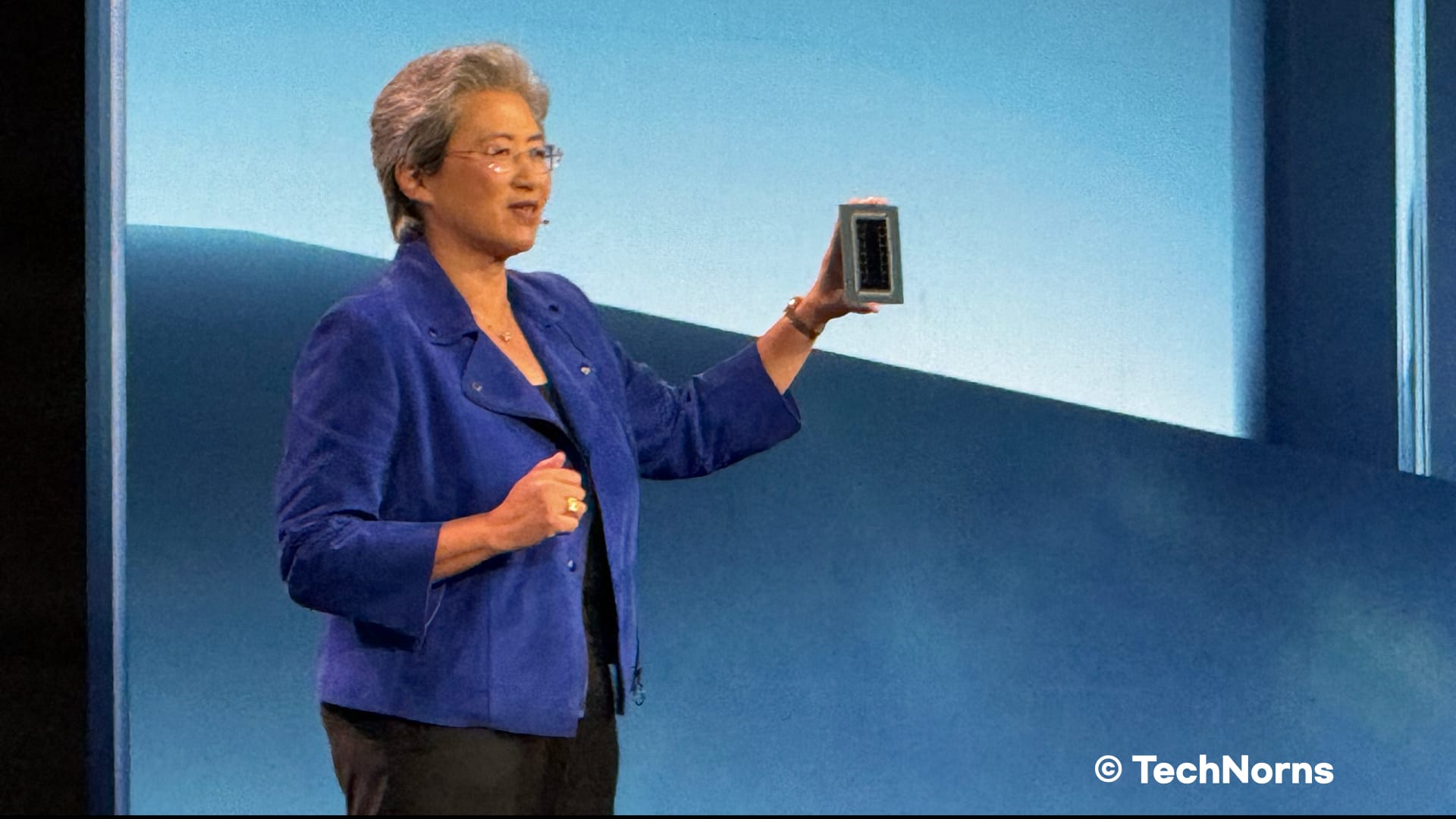
An operating system is invisible by design. Yet it governs how priorities are set, resources allocated, and promises delivered. Su’s composure was less a personal trait than a manifestation of the management system AMD has methodically installed over the past ten years.
Discipline: The Power of Prioritization
The foundation of Su’s leadership was not expansion, but restraint. When she became CEO, AMD was not short on ideas. It was short on focus. The company pursued multiple markets simultaneously, without the scale or capital to win decisively in any of them.
Su reversed that logic. Rather than attempting to compete everywhere, AMD concentrated on segments where long-term roadmaps, repeat customers, and sustained margins were possible. The message at CES 2026 was consistent with that approach: AI computing is the company’s top priority, and organizational energy is aligned accordingly.
Leadership, in this model, is not defined by how many visions are articulated, but by which ambitions are deliberately set aside—and kept aside. AMD’s subsequent decade shows how powerful that discipline can be when it is enforced consistently.
Execution: Turning Promises Into Facts
Much of AMD’s revival is often attributed to specific technologies or architectures. But the more decisive factor in restoring market confidence was not innovation alone. It was predictability.
Under Su, AMD’s roadmaps became reliable. Product launches arrived on schedule. Performance gains were communicated incrementally. Pricing and efficiency were managed with measurable targets. Instead of vague assurances about future improvements, AMD offered tangible progress in each cycle.
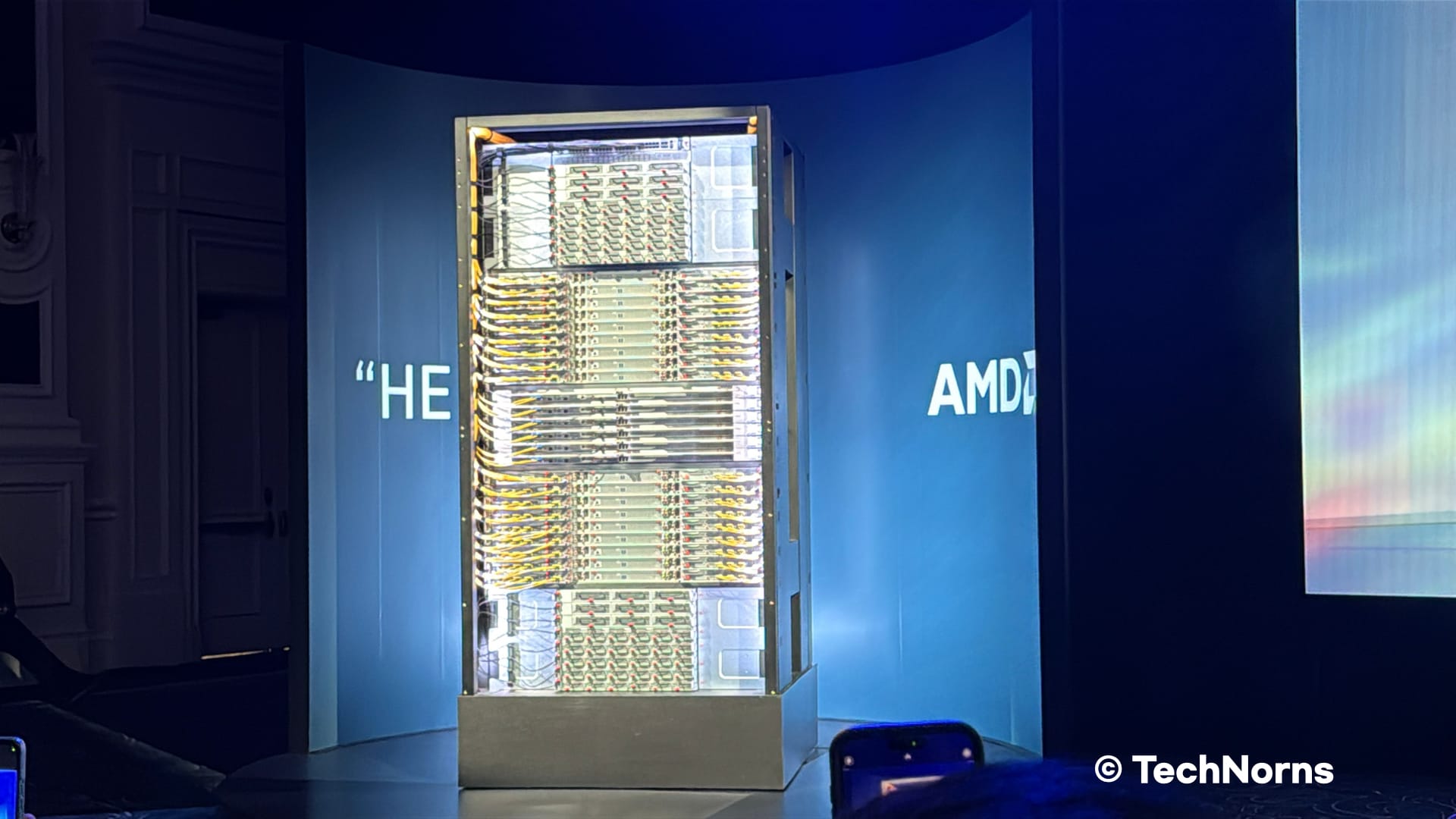
At CES 2026, the company again emphasized scale, performance metrics, and partnerships. The significance lay less in the size of the numbers than in the pattern behind them: commitments made, and then met. Over time, that repetition redefined AMD not as an aggressive challenger, but as a company customers and partners could trust.
Innovation may occur in moments. Trust is built through consistency.
Reliability: Choosing Cooperation Over Control
Su also demonstrated a clear understanding of which battles AMD should not fight. Rather than attempting to vertically control every layer of production, the company focused on design, architecture, and advanced packaging—while relying on a broader ecosystem for manufacturing and deployment.
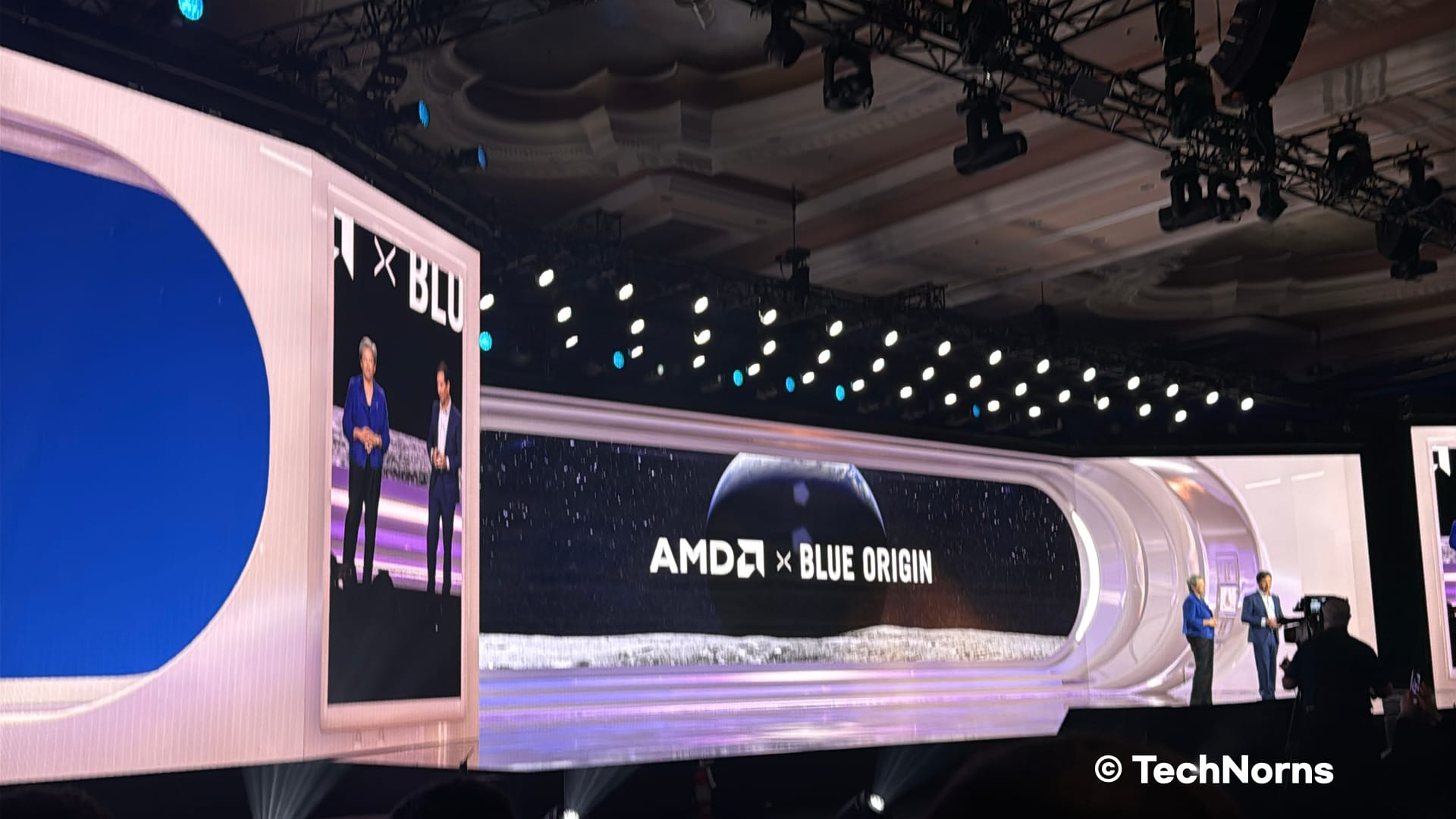
This was not a defensive posture. It reduced financial risk while increasing flexibility. Collaborations with hyperscalers and participation in open standards signaled a strategic choice: AMD would aim to be the most dependable partner in the AI infrastructure stack, not its sole gatekeeper.
Leadership, in this sense, is less about centralizing power than about deciding where to concentrate it.
Identity: From Chipmaker to Computing Company
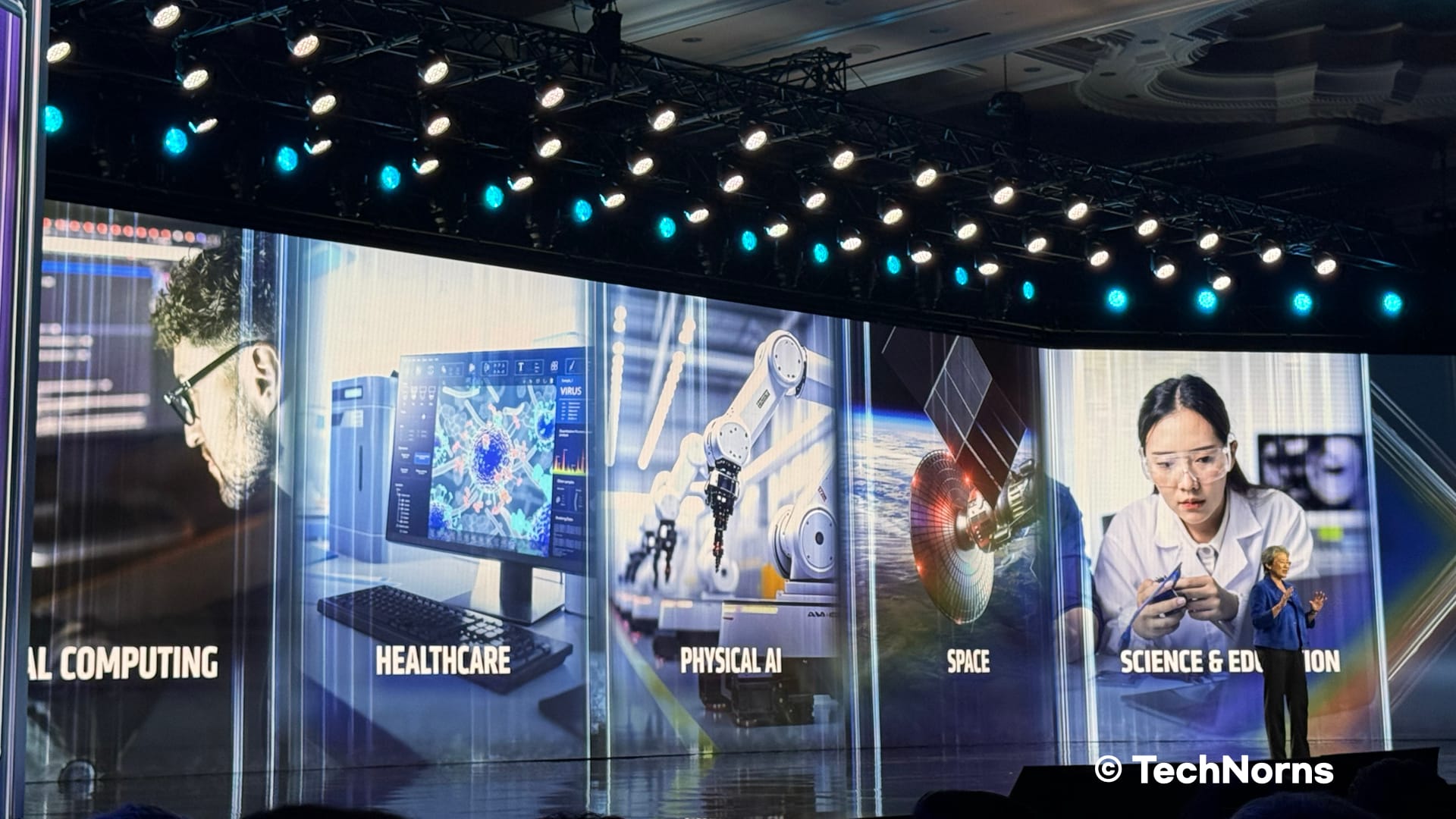
AMD today presents itself less as a component supplier than as a company addressing computing problems across environments. At CES, the narrative extended from data centers and PCs into healthcare, robotics, and other domains that demand reliable computation under increasingly complex conditions.
By linking previously separate assets into a coherent story, AMD has reshaped its corporate identity. This shift suggests that the operating system Su introduced is no longer provisional. It has matured into a stable framework that defines how the organization understands its role.
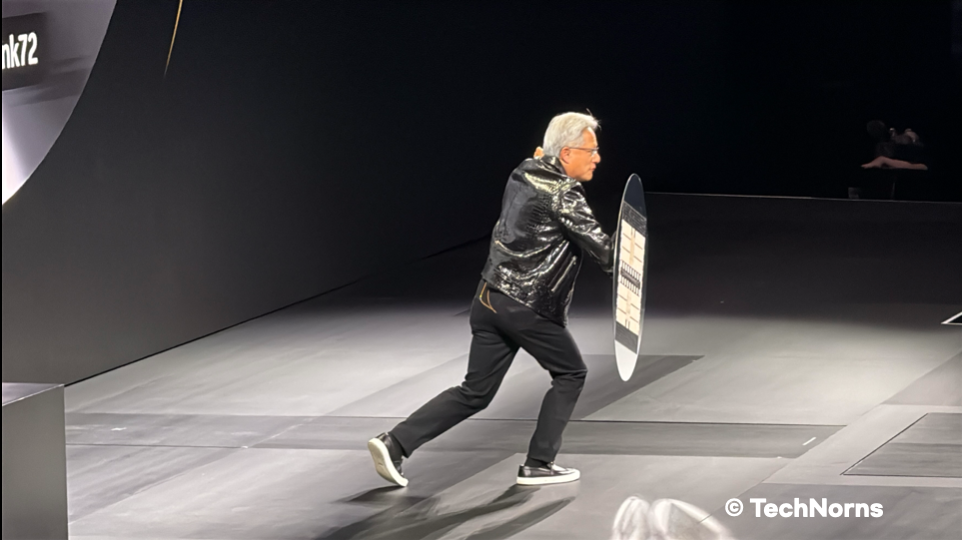
Two Leaders, Two Answers
Seen up close, the contrast between Jensen Huang and Lisa Su is not one of superiority, but of emphasis. Huang has built a platform that defines market rules and accelerates adoption through scale and integration. Su, by contrast, rebuilt an organization by restoring credibility—one execution cycle at a time.
One creates momentum by setting standards. The other sustains it by ensuring delivery.
Conclusion: When Leadership Becomes Performance
Returning to the CES stage, Su’s steady presence was not a visual flourish. It was a reflection of the discipline and execution culture AMD has maintained for a decade. Leaders without discipline struggle to sustain focus. Organizations without execution struggle to sustain trust.
In the end, the most powerful signal was not the spectacle of the presentation, but the quiet confidence that comes from meeting commitments on time. That operating system—simple, consistent, and enforced—turned a company once on the brink into a central player in AI computing today.