The Compute-GDP Link: AMD’s Infrastructure Play to Power OpenAI’s Future
At CES 2026, AMD and OpenAI argued that economic growth is shifting from capital and labor toward compute as critical infrastructure. This report examines how GPUs, data centers, and power are redefining GDP and AI-driven productivity.

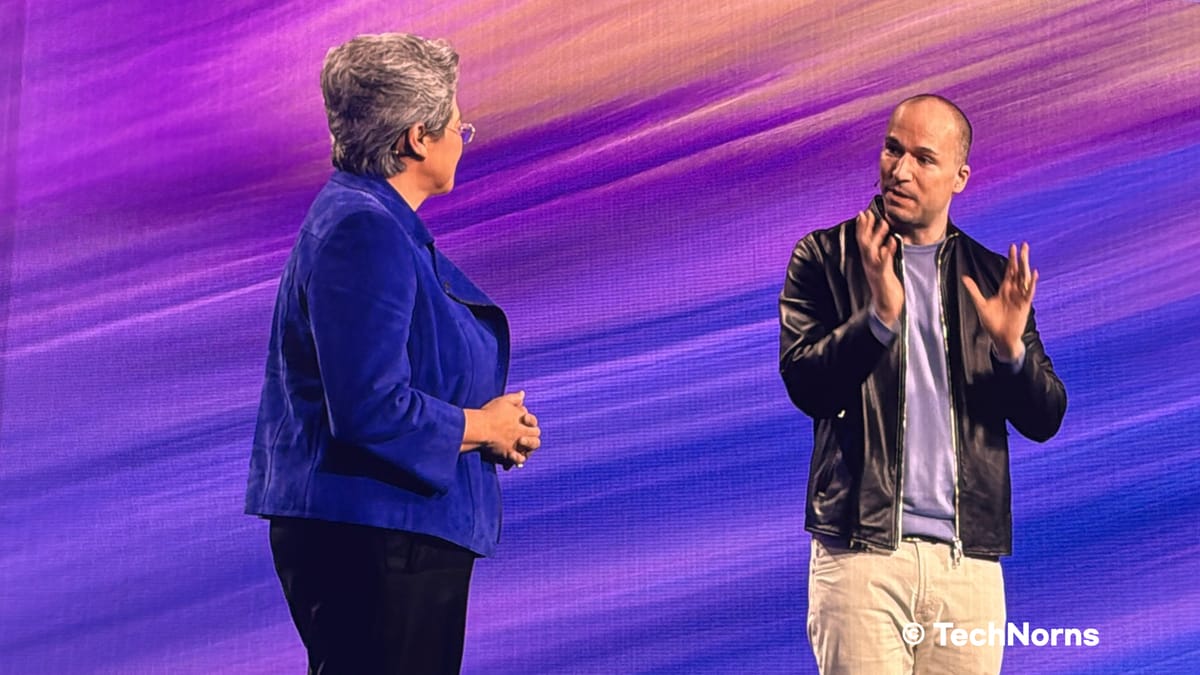
Compute as the New Territory of GDP
A CES 2026 Field Report on the Infrastructure of Growth
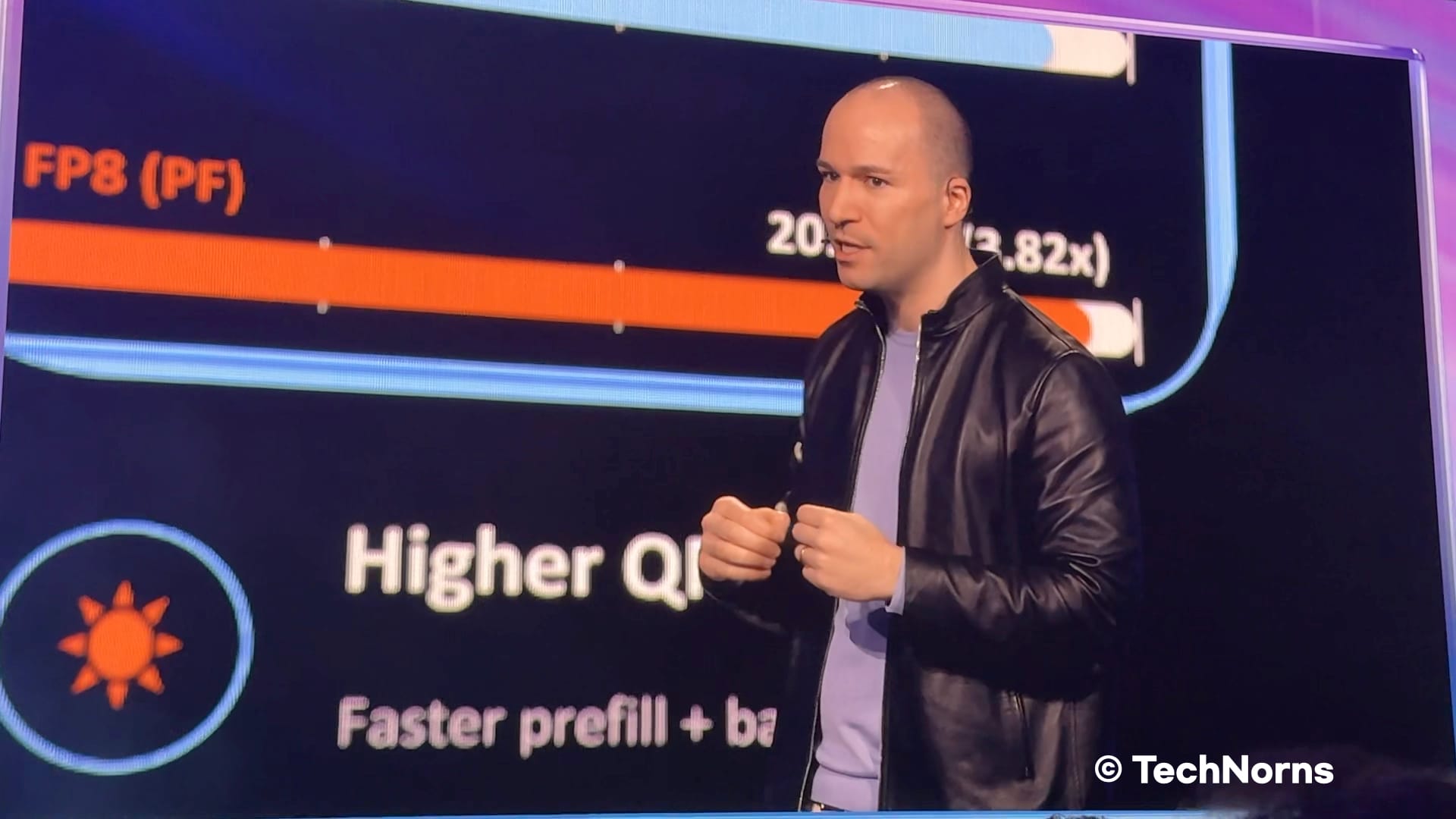
“We are moving into a world where GDP growth itself will be driven by the amount of compute available in a given country or region.” — Greg Brockman, CES 2026
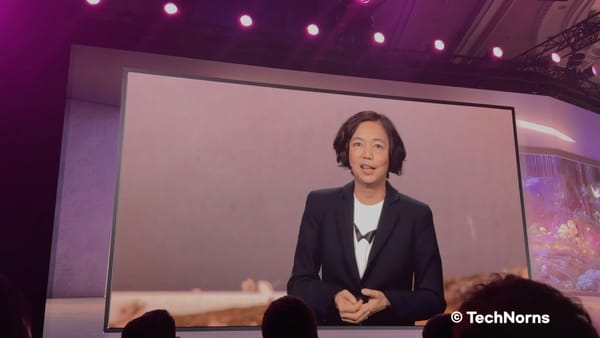
When Greg Brockman made this remark on the CES 2026 keynote stage, the tension in the room was not the reaction to a bold forecast. It reflected something more fundamental: a recognition that the grammar of economic growth is shifting—from capital and labor toward compute as a primary constraint.
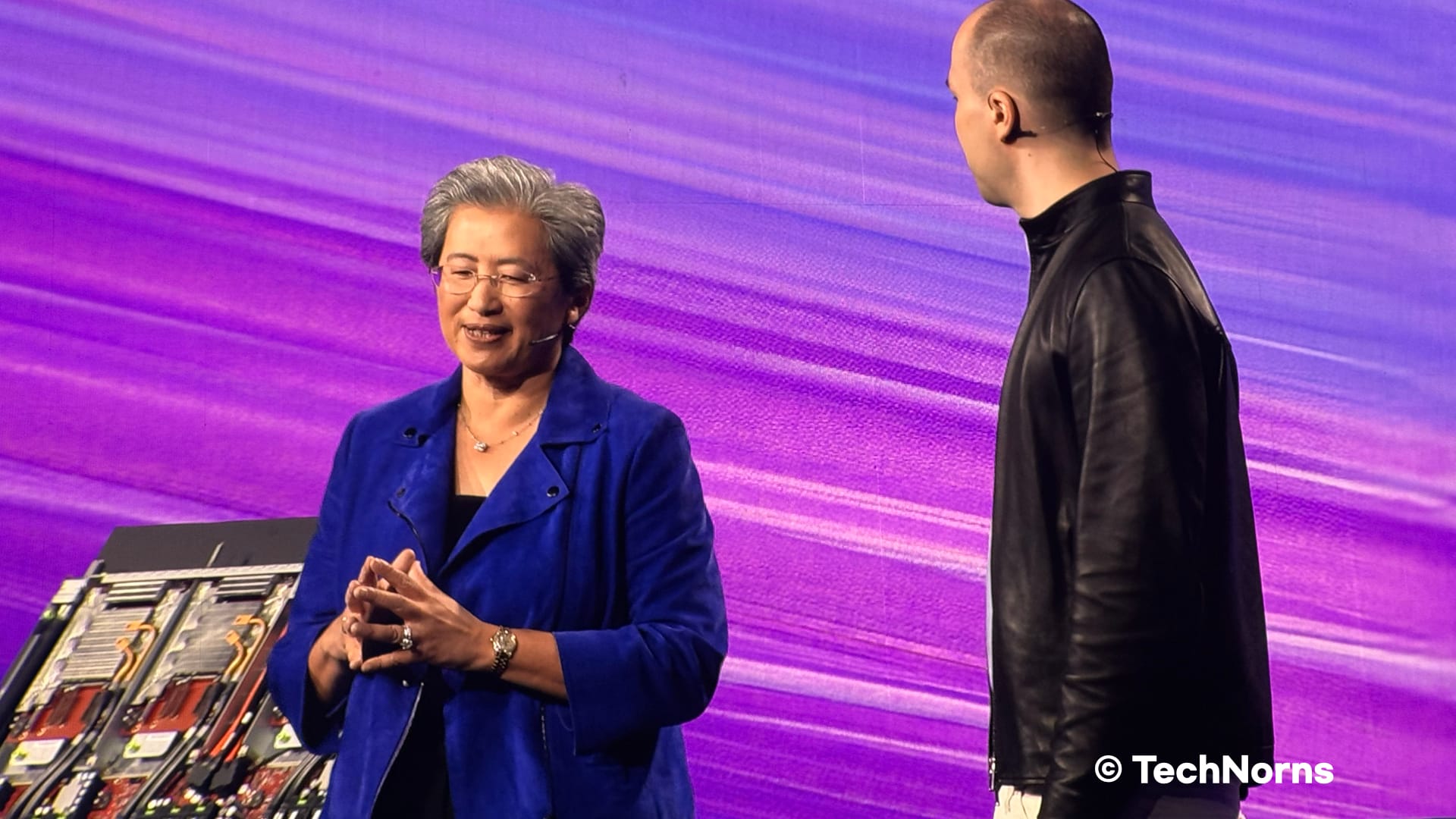
Watching Brockman deliver the statement alongside Lisa Su’s steady, measured presence on stage, the outline of a new economic map became clear. This was not a product announcement. It was an infrastructure thesis.
From Land to Power to Compute
Throughout economic history, the source of national wealth has evolved.
In agrarian economies, fertile land defined power.
In industrial economies, electricity and oil turned land into productivity.
In the AI era, the new territory is compute.
Brockman’s statement reframes GPUs, data centers, and power delivery not as corporate assets, but as public-utility-level inputs. The ability to deploy large-scale compute immediately—not eventually—now sets the ceiling for productivity growth.
This marks a transition from technology competition to infrastructure competition.
Why the “Compute–GDP Link” Is No Longer Theoretical
Skeptics may point to the financial volatility of individual AI companies and dismiss these claims as overstatement. But the signal worth tracking is not corporate valuation—it is the scale and persistence of capital flowing into compute infrastructure.
Three observations from CES 2026 support this view.
First, capital investment and revenue growth are moving in tandem.
Brockman noted that OpenAI’s compute consumption has tripled year over year—and revenue has followed a similar trajectory. While correlation is not causation, the pattern underscores compute as a binding growth constraint rather than a marginal cost.
Second, compute has become unmistakably physical.
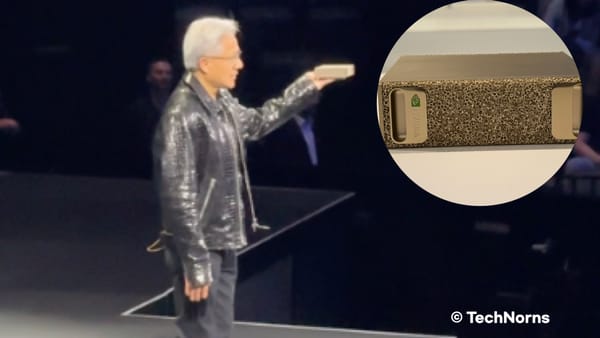
AMD’s Helios rack—nearly 7,000 pounds—served as a visual reminder that modern AI is no longer lightweight software. It is industrial infrastructure, consuming power at a scale comparable to heavy manufacturing.
Third, productivity gains are now measurable.
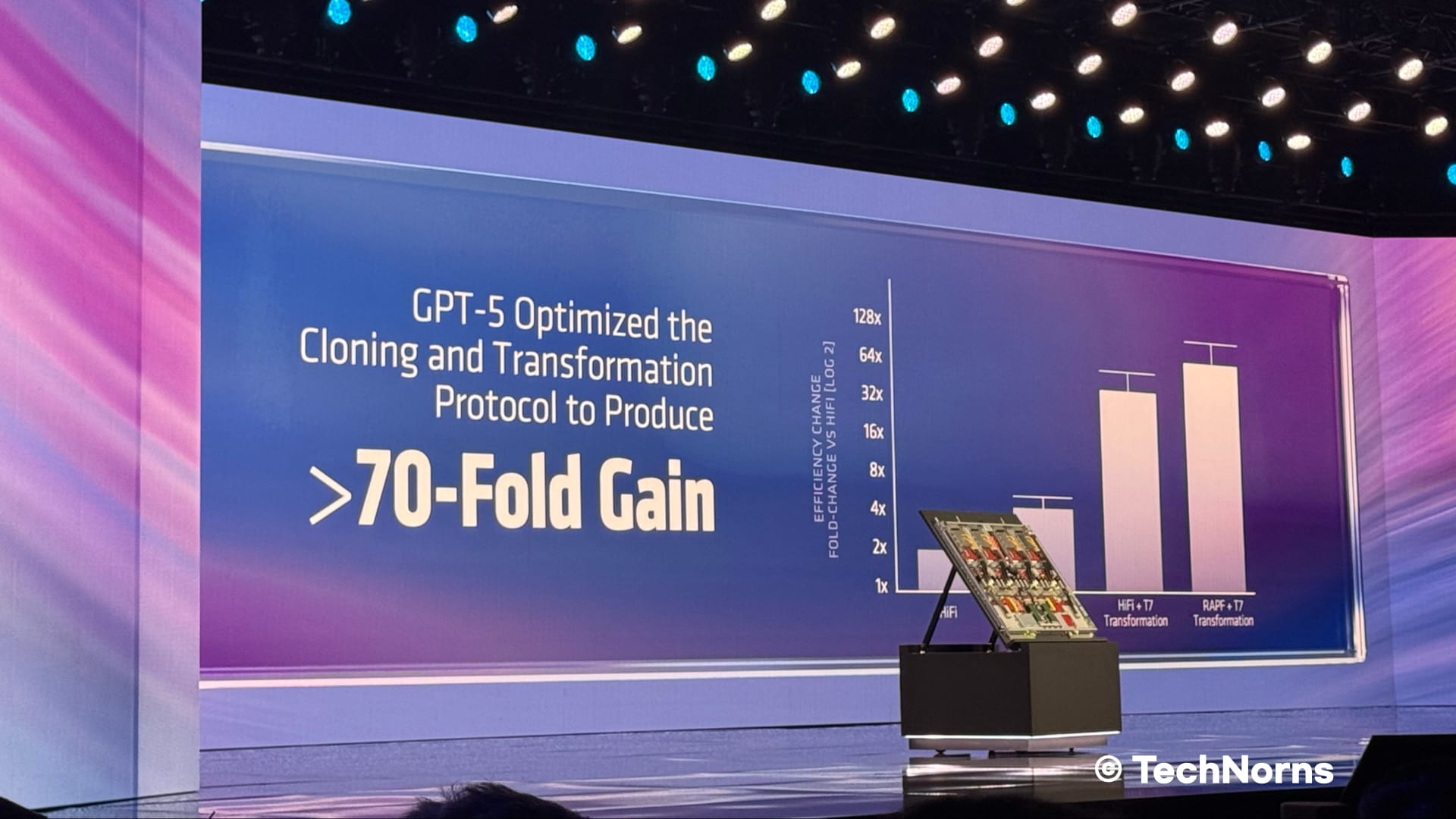
Early internal experiments connecting frontier models to wet-lab workflows have delivered order-of-magnitude efficiency improvements in specific protocols. The implication is not universal automation, but a new ceiling for applied scientific productivity when compute is abundant.
How This Reaches the Individual Level
A compute-centric economy reshapes daily life in two distinct ways.
Decision support becomes personal.
Brockman shared cases where AI systems flagged medical risks that human review missed under time constraints. These anecdotes are not clinical validation, but they illustrate a shift: AI is moving from information retrieval to decision augmentation in high-stakes contexts.
Work becomes agent-driven.
Future workflows will rely less on single prompts and more on fleets of autonomous agents operating continuously—sometimes for hours or days. Human attention and intent become the scarce resources. Compute demand, by contrast, becomes persistent and compounding.
Leadership and the Shape of the Territory Ahead
The symbolism of the moment mattered. Lisa Su’s unwavering posture over two hours reflected more than presentation discipline. It mirrored AMD’s decade-long record of delivering on infrastructure promises.
In a world where compute increasingly defines economic capacity, leadership is less about vision statements and more about execution—securing, deploying, and sustaining digital territory at scale.
A single accelerator.
A single transmission line.
These are no longer technical details. They are the foundations of future GDP.