Why Your CES Keeps Failing
CES is not a showcase of products—it is a barometer of industrial power. Those who look only at booths miss the structure shaping the future. CES 2026 reveals where AI, mobility, and infrastructure are quietly reorganizing industry itself.

Casual visitors look at products. Leaders read structure.
Don’t Be Fooled by the Word “Largest”
CES is often described as the world’s largest technology show. That description is accurate—and deeply misleading.
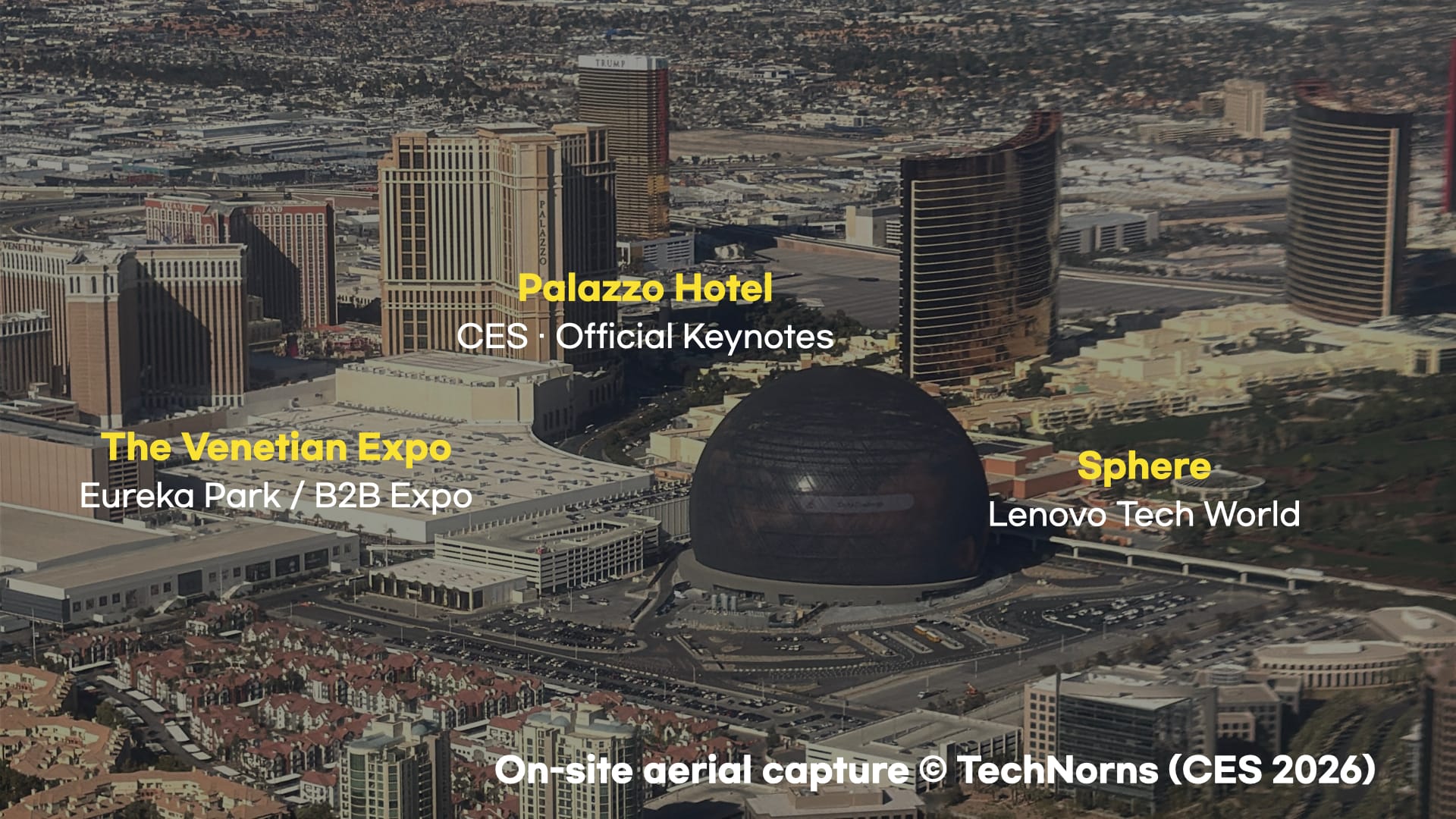
CES 2026 seen from above: not a collection of venues, but a deliberately engineered structure of keynotes, B2B exposure, and experiential signaling.
CES is not a show. It is a barometer.
It tells you where industrial pressure is building, where it is dissipating, and which fronts are about to collide. Over nearly a decade of repeated on-site observation, one pattern has remained consistent: the spectacle changes every year, but the underlying signals do not. CES functions less like a marketplace and more like a global forecast system for industry.
That is why some of us stayed on the floor even during the pandemic, masked and restricted. Not because of new products, but because the early drafts of corporate survival strategies appear here first. If you fail to read intent beneath hardware, CES becomes little more than an expensive tourism itinerary.
Viewed this way, deploying public or private resources to CES without a strategic frame is not neutral—it actively reinforces misunderstanding. CES should not be treated as a place of record-keeping. It is, by design, a venue for judgment.
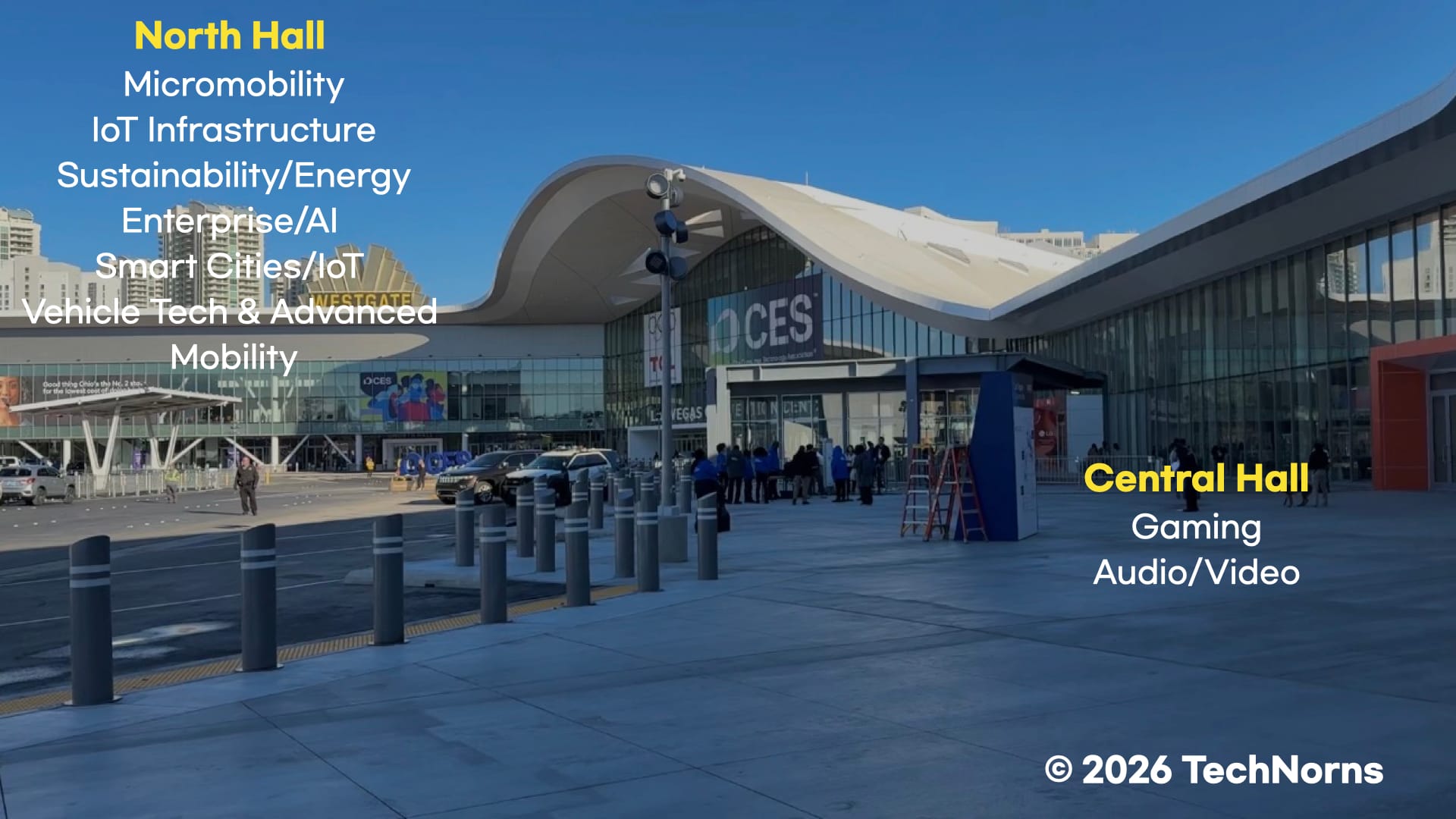
CES 2026 spanned the full spectrum of technology—from AI and physical AI to entertainment, robotics, and smart systems.
North Hall concentrated on industrial foundations such as AI, IoT, and robotics; Central Hall emphasized gaming, audiovisual, and experience-driven technologies; and South Hall featured B2B-oriented exhibitions, including design and sourcing.
Taken together, the show revealed both the direction of AI-driven future technologies and their transition into real-world applications.
The 30-Football-Field Trap
The problem is not how much ground you cover. It is which coordinates you use.
With more than 2.5 million square feet of exhibition space, the idea of “seeing everything” is meaningless. Yet many attendees equate scale with insight, stopping at the largest booths or the most theatrical robots, convinced they have seen enough. This is the most common analytical failure at CES. Insight at CES does not come from points. It comes from lines.
Only when CES is placed on an axis alongside IAA(mobility), Hannover Messe(manufacturing), Beijing’s major robotics conferences, and the Shanghai Auto Show do patterns emerge. Technologies stop looking like novelties and start revealing which industrial problems they were summoned to solve. At that moment, CES shifts from a catalog of gadgets to a map of pressure movement across sectors.
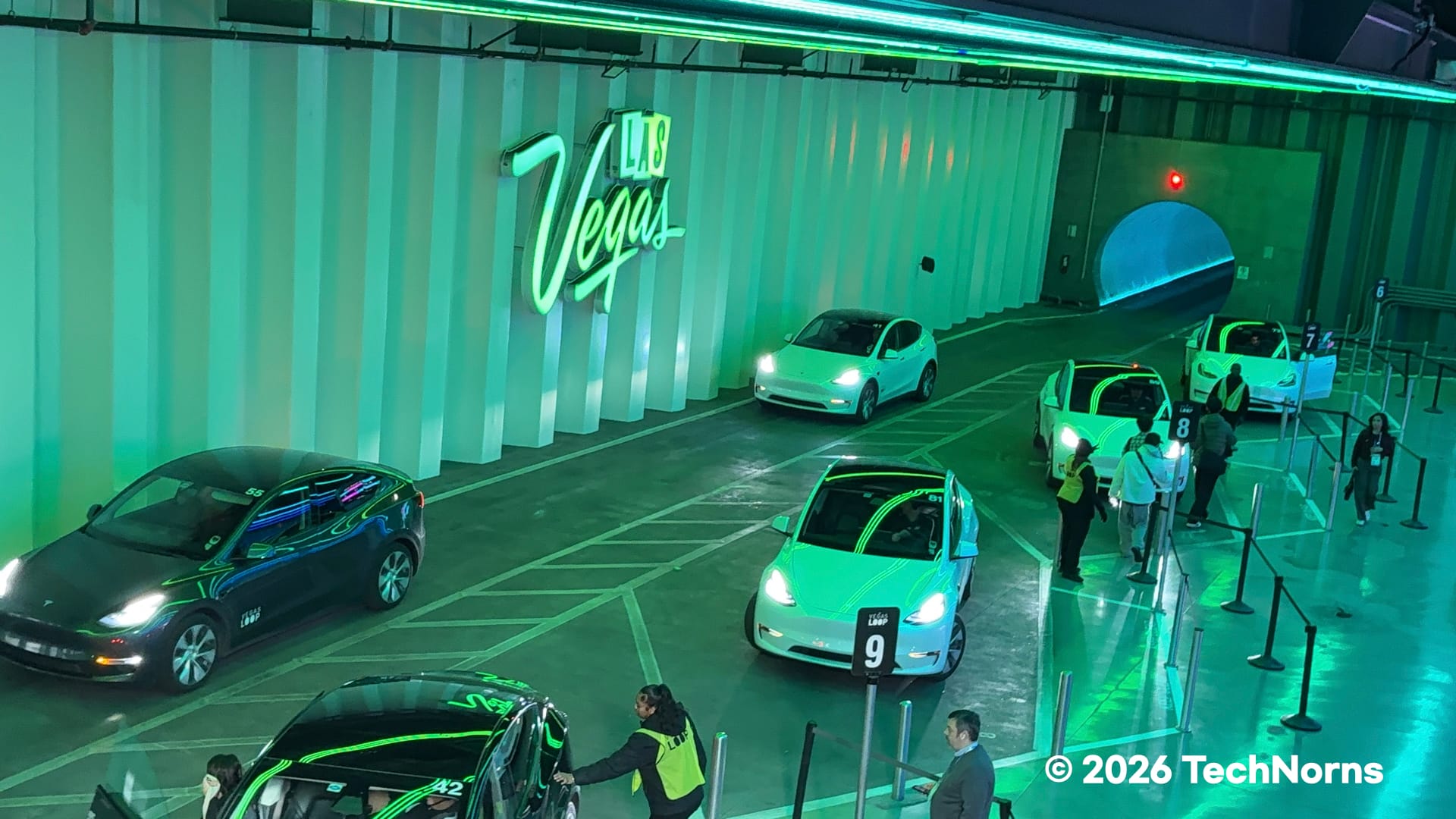
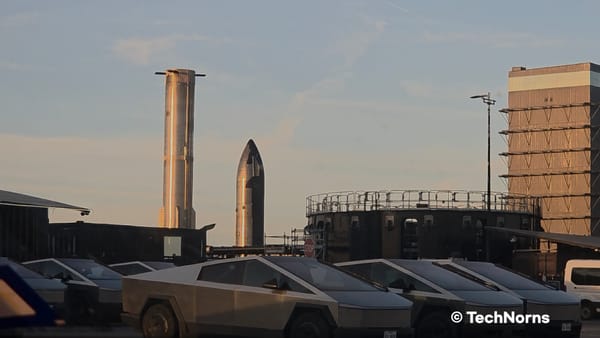
Elon Musk’s companies do not participate in CES. Instead, they exist at CES not as exhibitors, but as infrastructure. Tesla and The Boring Company become some of the most experienced technologies at the show. By choosing mobility over booth space, this strategy demonstrates how maximum exposure can be achieved without formally participating.
CES Is Decided Outside the Exhibition Hall
To read CES properly, one must first understand the reference points set by companies that are not there.
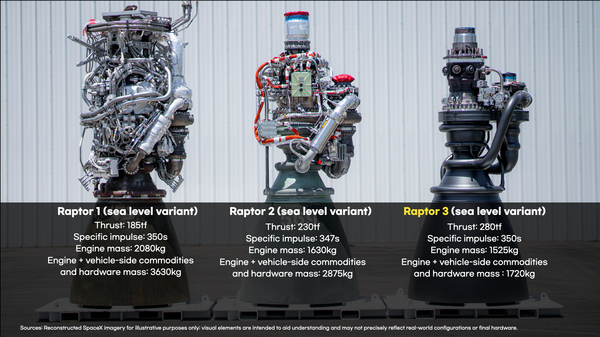
The moment CES is interpreted as a list of exhibitors, it is misread. Tesla, SpaceX, and Apple do not build booths. Yet the platforms, standards, and infrastructures they have established define the grammar of the entire show.
Examine the strategies of companies positioned as CES protagonists—NVIDIA, John Deere, Caterpillar—and a pattern becomes clear. They are not competing in isolation. They are fighting to secure territory within a technical framework already set by absent giants. Observing the exhibition floor without understanding these underlying rule-makers is equivalent to watching players without knowing the rules of the game.
Analysis begins by identifying where these invisible worldviews are amplified, where they are bent, and where they are resisted at the CES intersection.
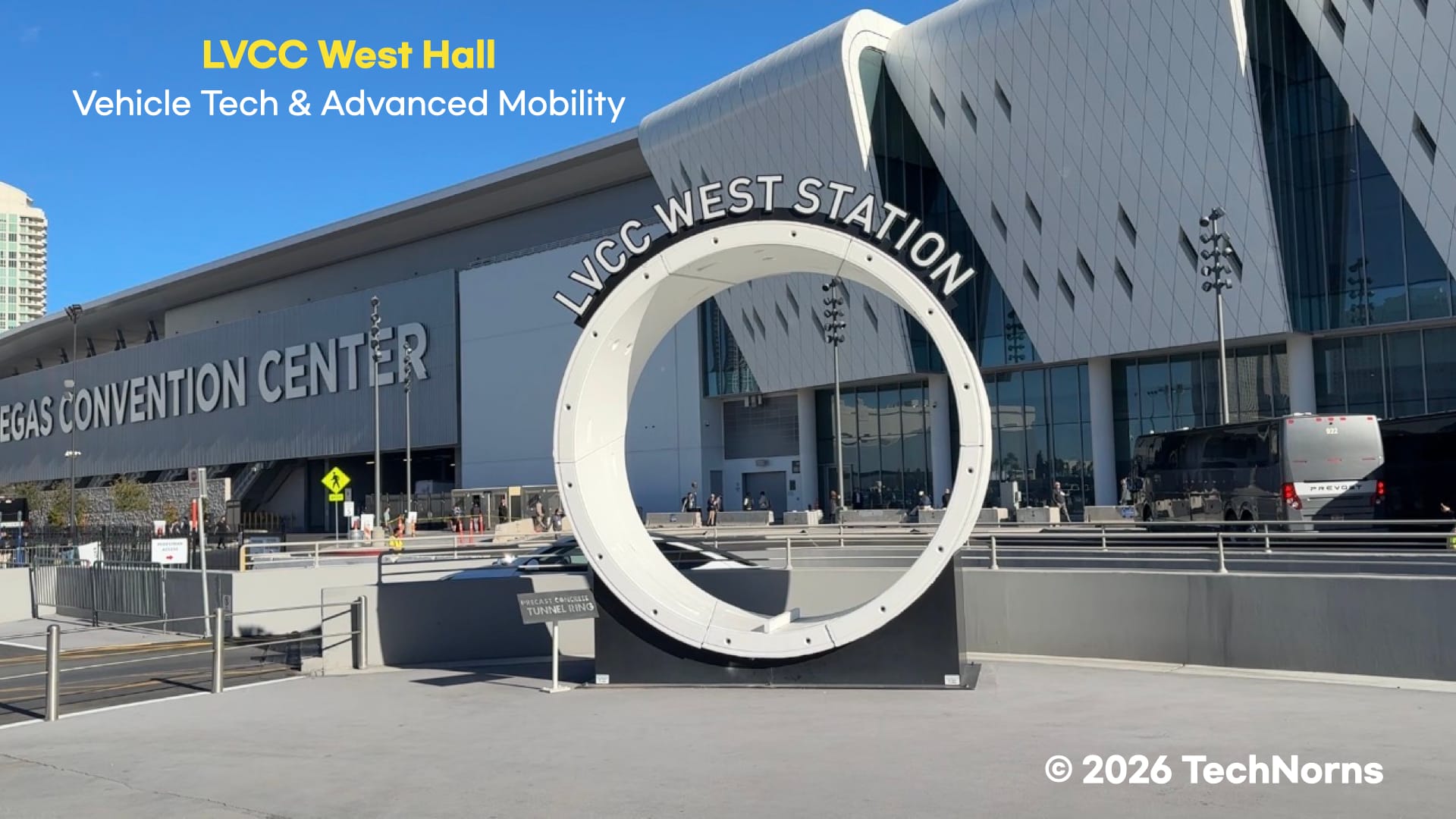
LVCC West Hall was designated as the center for mobility and vehicle technology at CES 2026 because the show had expanded beyond a traditional auto exhibition into a platform encompassing the entire future mobility ecosystem—from autonomous driving and AI-driven vehicle software to connected vehicles and eVTOL. Reflecting this shift, CTA positioned West Hall as the official hub for Vehicle Tech & Advanced Mobility, using dedicated programming such as the Mobility Stage to concentrate attention on the direction of innovation.
When Geopolitics Enters the Tech Frontline
The pressure difference between CES and MWC is not subtle.
Chinese firms often adopt a restrained posture in Las Vegas while concentrating firepower in Barcelona. This is not coincidence. It reflects where AI and communications battle lines are forming within the broader U.S.–China strategic conflict.
CES is no longer a neutral technology fair. It is a geopolitical weather system where politics, regulation, capital, and engineering operate simultaneously. Choosing where to appear—or not appear—is a strategic decision about which messages to send and which to suppress.
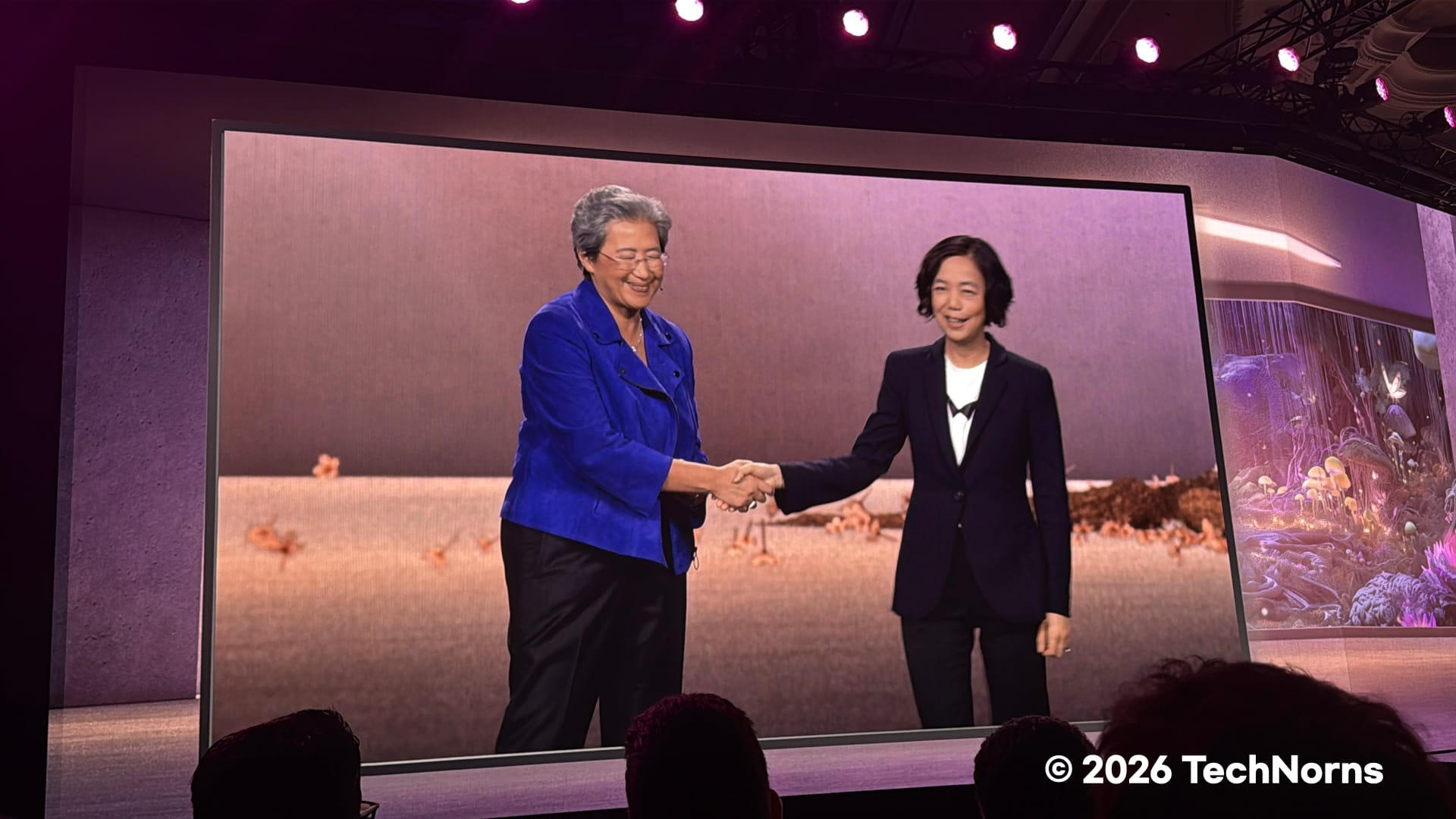
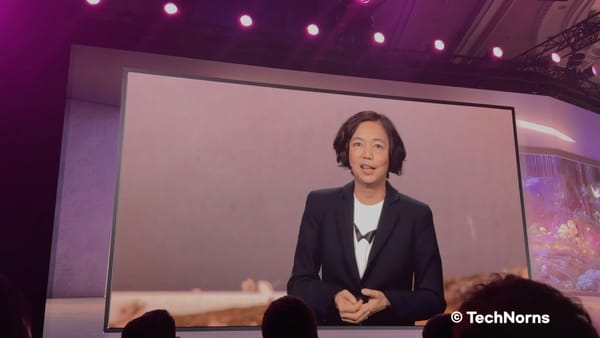
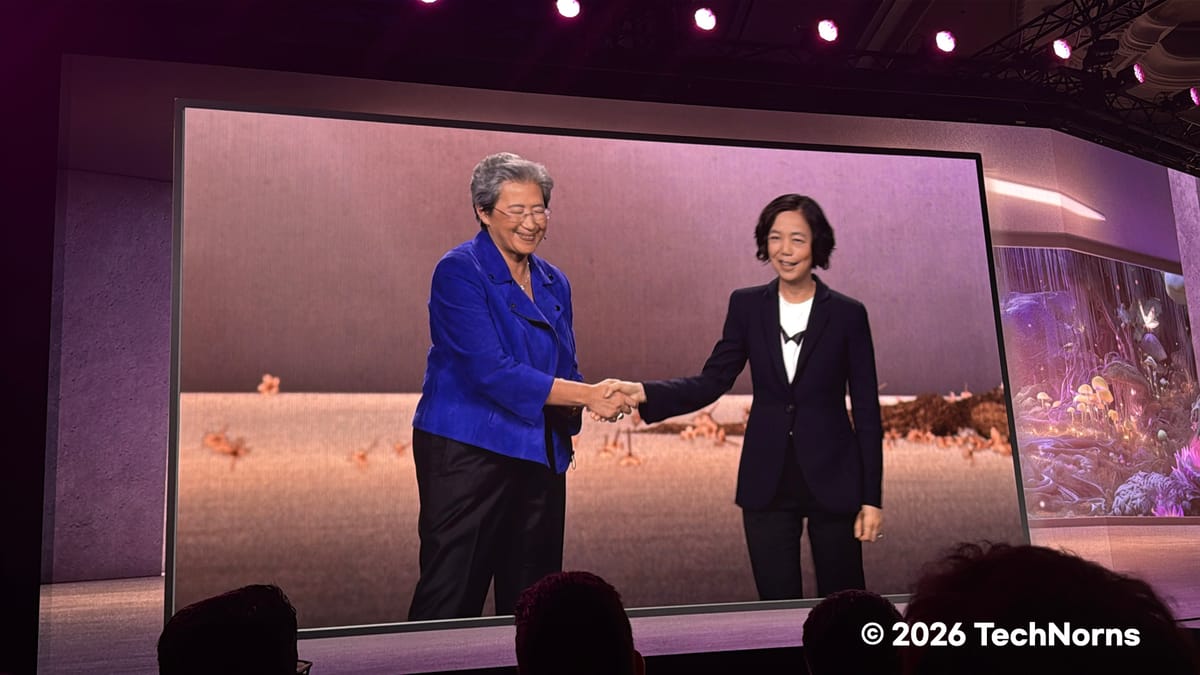
The reason AMD CEO Lisa Su and AI research icon Fei-Fei Li stood together on the CES stage was to signal a shift in AI’s next phase—not toward ever-larger models, but toward the challenge of implementing human-centered AI on real industrial infrastructure. This moment symbolized that AI research and the semiconductor industry are no longer separate domains, but are converging into a single design axis shaping how AI is built, deployed, and governed.
Technology as Infrastructure, and the Shift in Questions
After CES, only one question matters.
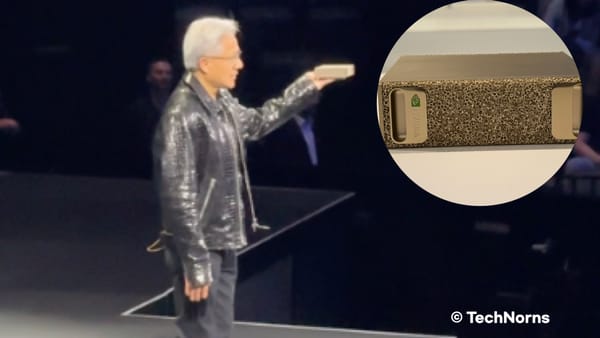
Follow the signals released before the doors open—CTA’s framing, Jensen Huang’s remarks, Lisa Su’s positioning—and a shared conclusion emerges. Technology is no longer about features. It is about redesigning how society and industry function.
Riding The Boring Company’s Vegas Loop in a Tesla is a concise illustration. Technology is no longer confined to exhibits. It has become infrastructure—the substrate through which we move, decide, and organize.
Which leads to the only post-CES question worth asking:
Not “What is new?” But “How are these technologies attempting to reorganize humans and institutions?”
Only when that question is posed do CES’s countless signals begin to align into something recognizable as a megatrend.
In the next article, we will dissect the three megatrends highlighted by CTA on this map: Intelligent Transformation, Longevity, and Engineering Tomorrow. From here on, this is no longer about impressions. It is about judgment.