Why Space? Earth's Ceiling and a Sun That Never Sets
AI's power demand is outgrowing the grid. Why the next data centers may run in orbit, where the sun never sets and SpaceX controls the one cost that matters.

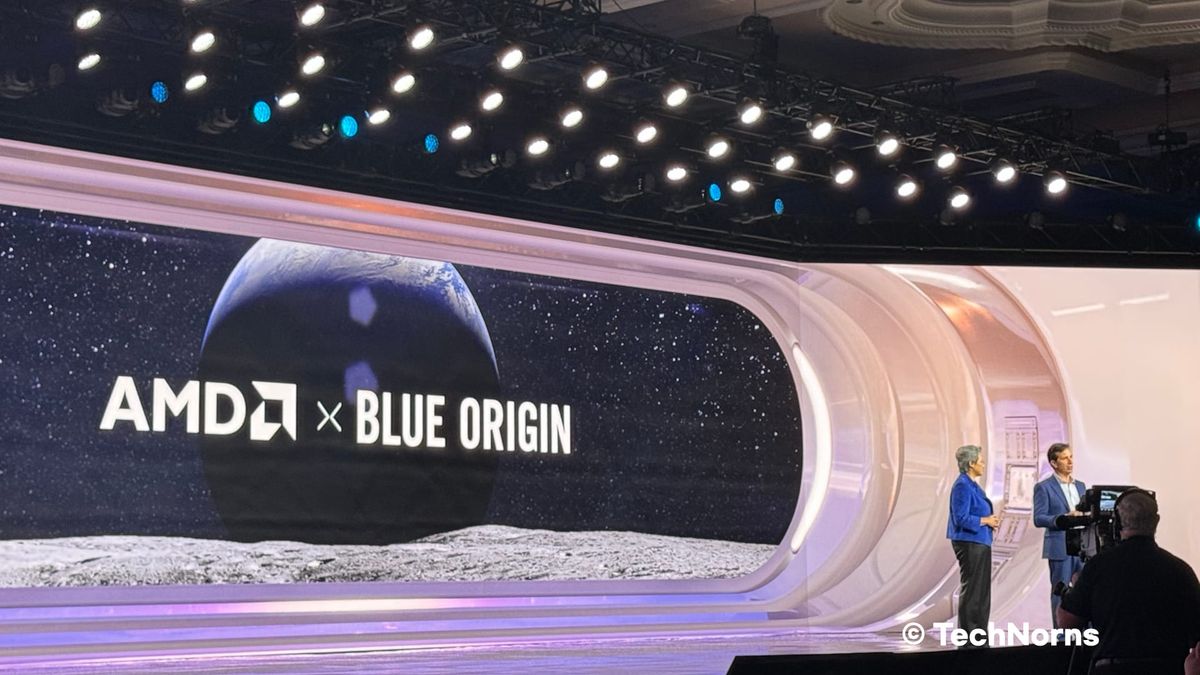
At CES 2026 in Las Vegas, AMD's Lisa Su shared the keynote stage with someone you wouldn't expect: John Couluris, who runs lunar permanence at Blue Origin. The pairing made its own quiet point. Getting to space isn't only a rocket problem anymore.
Blue Origin's pitch has always been to lift heavy industry off the planet. Send the dirty, polluting parts of civilization into orbit, the thinking goes, and keep Earth for living on. Couluris called space "the ultimate edge environment," the most distant and punishing place you could ever ask a computer to operate. Blue Origin's next flight computer will run an AMD embedded chip, and the same design is headed for its lunar lander. Where the rockets go, the computing follows.
xAI was already chasing that logic on the ground. Outside Memphis, a single data hall went up in a matter of weeks. Miles of fiber, tens of thousands of GPUs, ports by the hundreds of thousands. The walls weren't even finished before the team ran into the wall that actually mattered: power.
Global data-center electricity use already runs into the hundreds of terawatt-hours a year, and it's on track to roughly double by the end of the decade. The growth alone is like bolting another country's worth of demand onto the grid, and then another after that. Something that started as software has turned into a question for the national power supply.
The big platforms have started building power plants next to the servers. Small reactors. A shuttered nuclear plant being brought back online and reserved outright. No company has ever set out to own energy infrastructure at this scale. But all of it only buys time.
On the ground, meeting the demand means clearing five obstacles at once: grid capacity, land, cooling, permits, and the neighbors who want none of it near them. The good sites fill up fast, and what's left tends to run into protest. xAI ran gas turbines before its grid connection was ready, and people nearby complained about what was coming out of them.
And there's a harder ceiling above all of it. Everything human civilization generates is a vanishingly small slice of what the Sun pours out every second. Multiply our output a million times over and it's still a rounding error against that. On the ground, geography and regulation stop you long before physics ever does.
Orbit is built differently. Above the atmosphere, sunlight arrives at full strength, several times what reaches the ground once clouds and air have thinned it out. And there is no night. A panel up there works around the clock. Build on Earth and you pay for grid, land, cooling, and permits all at once. Build in orbit and the bill shrinks to two lines: getting there, and the hardware itself.
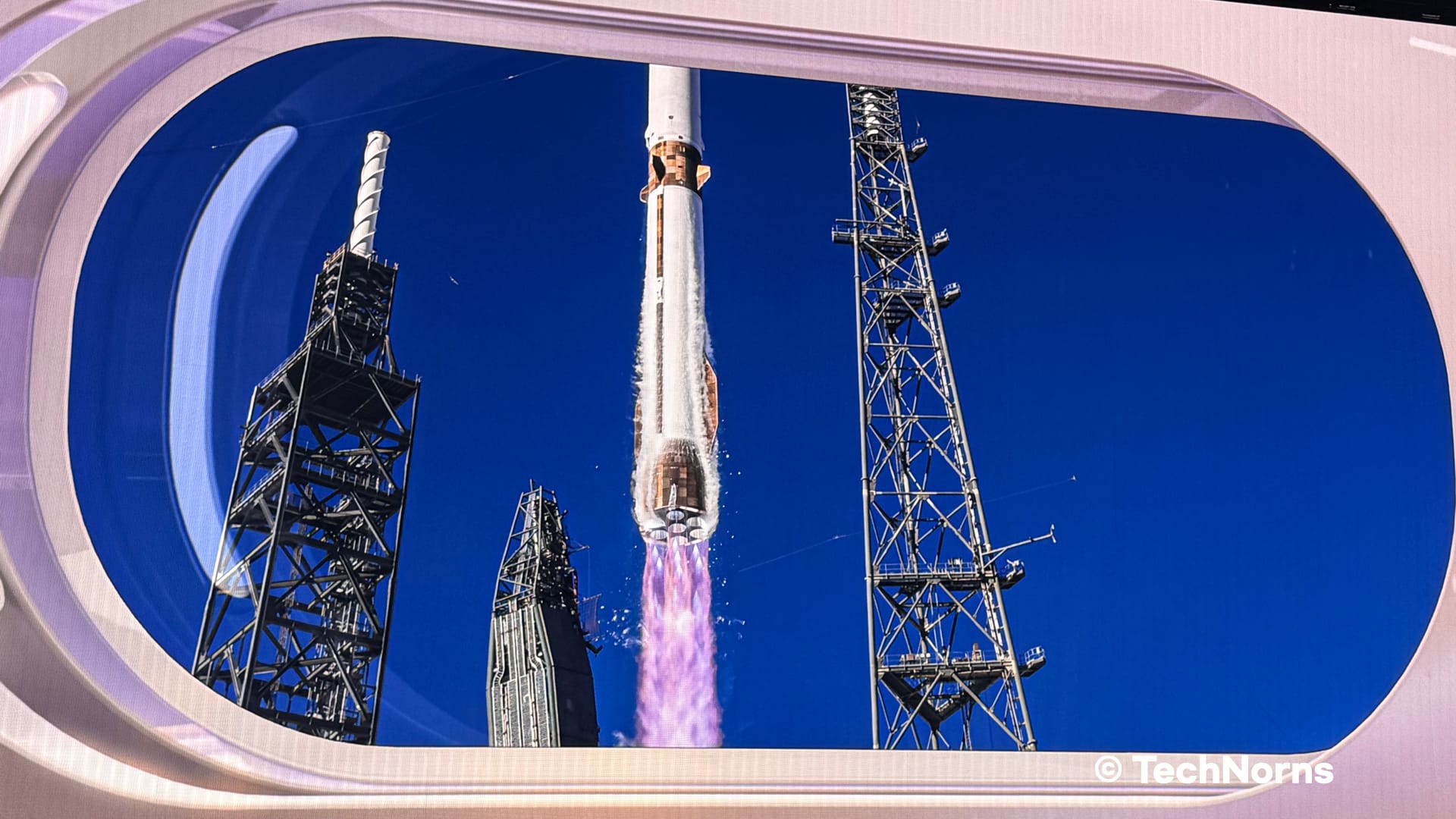
So it narrows to one number. The cost of putting a kilogram into orbit. Reusable rockets have already cut that sharply from where it sat a decade ago, and the next generation is aimed at cutting it again by a wide margin. Cross a certain point and running an AI chip in orbit becomes cheaper than keeping one fed with power and cooling on the ground.
Musk puts that crossover two to three years out. Coming from him, it's tempting to file under hype, and after enough delayed timelines, that instinct is fair. But the case here isn't a promise. It's arithmetic. Demand on the ground keeps climbing by whole countries at a time. The energy in orbit is stronger and never goes dark. And the single lever that sets the cost of getting there happens to sit in one company's hand.
For research inquiries or collaboration, contact: ceo@technorns.com