Beyond Passenger Cars: Caterpillar’s Industrial Autonomy Paradigm and the Multi-Sensor Formula
Analyzing Caterpillar’s industrial autonomy at CES 2026 and its shift to edge AI via Nvidia Thor. Validated by quarry data, we balance multi-sensor redundancy against high capital barriers.

The Invisible Autonomy Giant in Extreme Environments
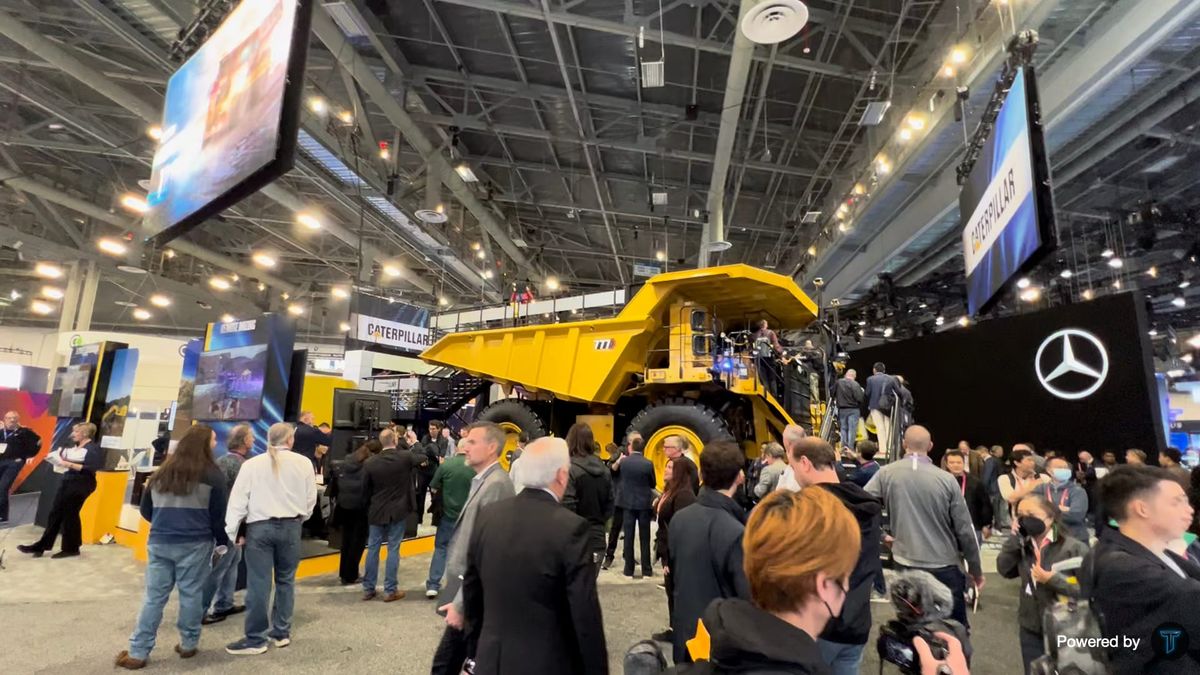
While public attention remains heavily focused on urban passenger vehicles and consumer robotaxis, some of the most commercially mature autonomous systems are operating far from public view in large-scale mining and heavy construction. Caterpillar, a global leader in heavy machinery founded in 1925, has quietly revolutionized industrial logistics through its autonomous haulage ecosystem. The engineering scale of these machines dwarfs typical consumer vehicles. For instance, the ultra-class Cat 797F mining truck stands as tall as a two-story building, weighing over 687 tonnes when fully loaded, which is equivalent to fifteen commercial passenger jets. Even the smaller Cat 777 carries a 101-tonne payload, while the electric-drive 798 AC moves up to 410 tonnes of material. These colossi operate continuously under brutal physical constraints, dealing with choking dust, extreme temperatures, and steep gradients where any mechanical or tracking failure carries catastrophic risk.
Sensor Redundancy vs. Hardware Minimalism
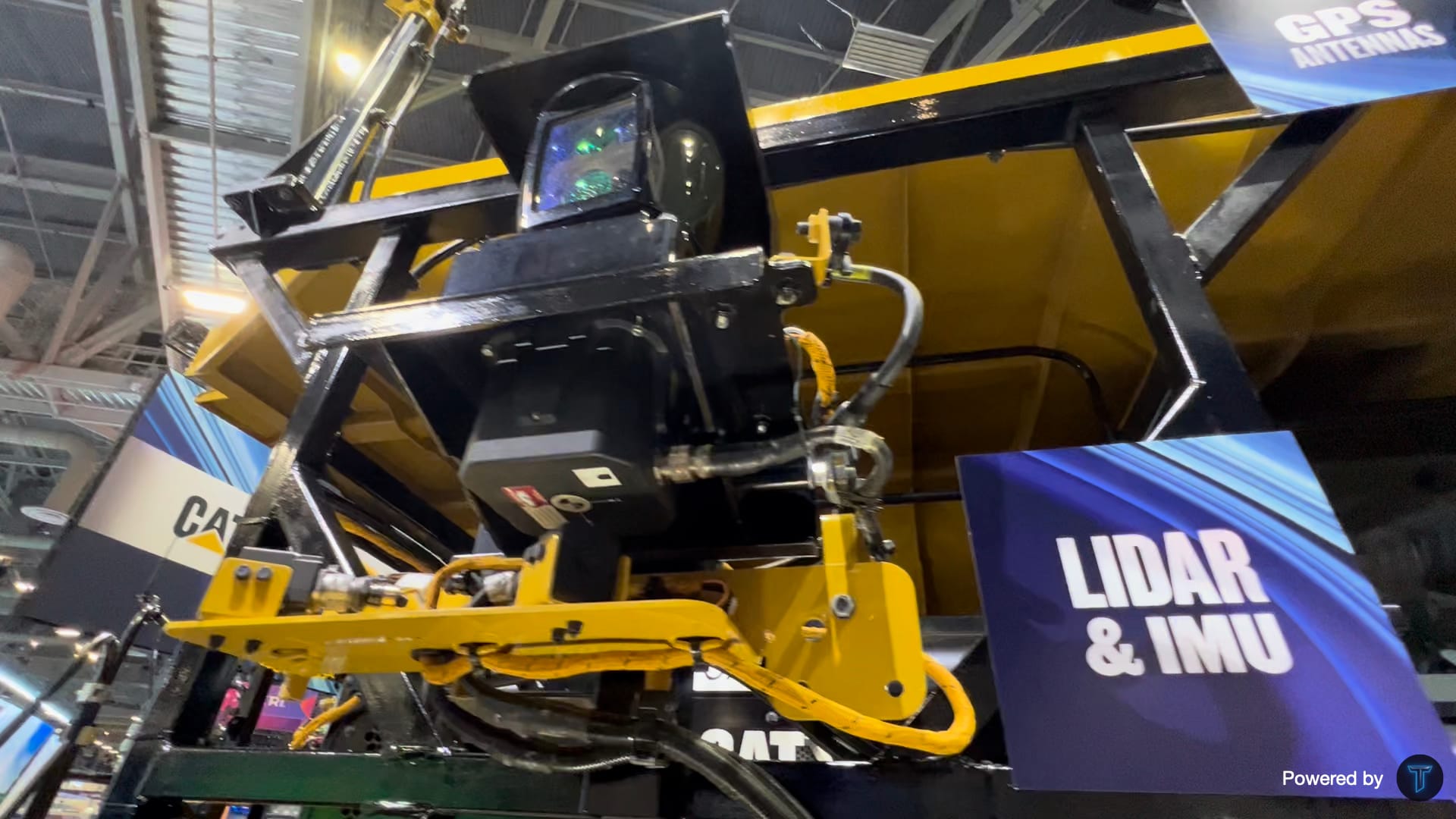
The core engineering philosophy separating industrial autonomy from companies like Tesla lies in sensor architecture. While Tesla pursues a pure vision philosophy that removes radar and LiDAR in favor of deep neural networks processing camera feeds, Caterpillar relies on a strict multi-sensor redundancy model. Inside the Cat MineStar Command for Hauling framework, machines utilize a combination of LiDAR, radar, and computer vision cameras. In an open-pit mine filled with airborne particulate matter, optical cameras frequently encounter total lens blinding. Radar penetrates heavy dust and low-visibility conditions, while LiDAR generates precise 3D geometric maps of the immediate environment to protect personnel and surrounding light vehicles. For industrial operators, the architectural trade-off is clear. Hardware minimalism is sacrificed to achieve absolute safety margins and near-zero failure rates in unpredictable physical environments.
The 2026 Shift: Silicon Meets Steel at CES 2026
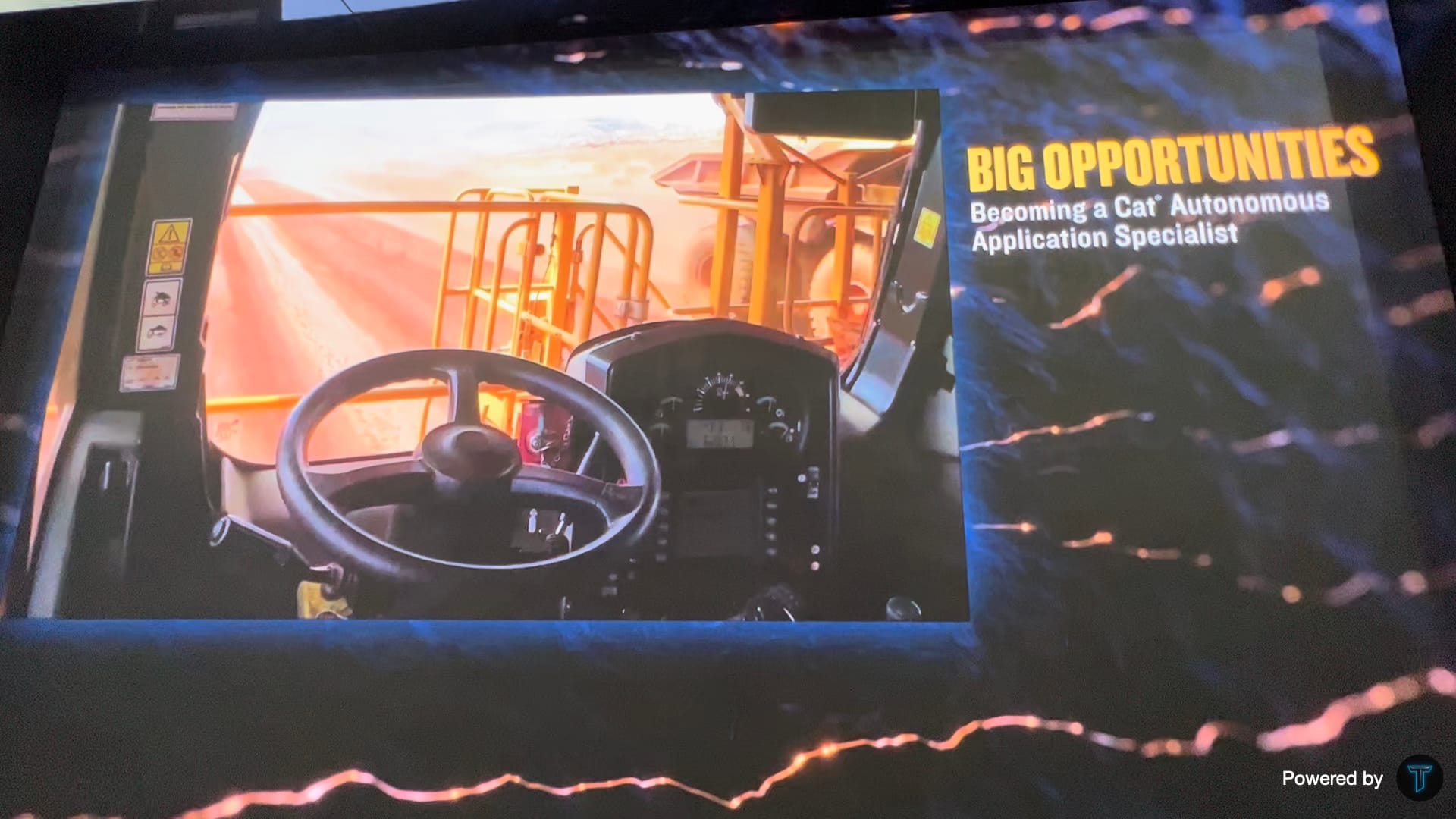
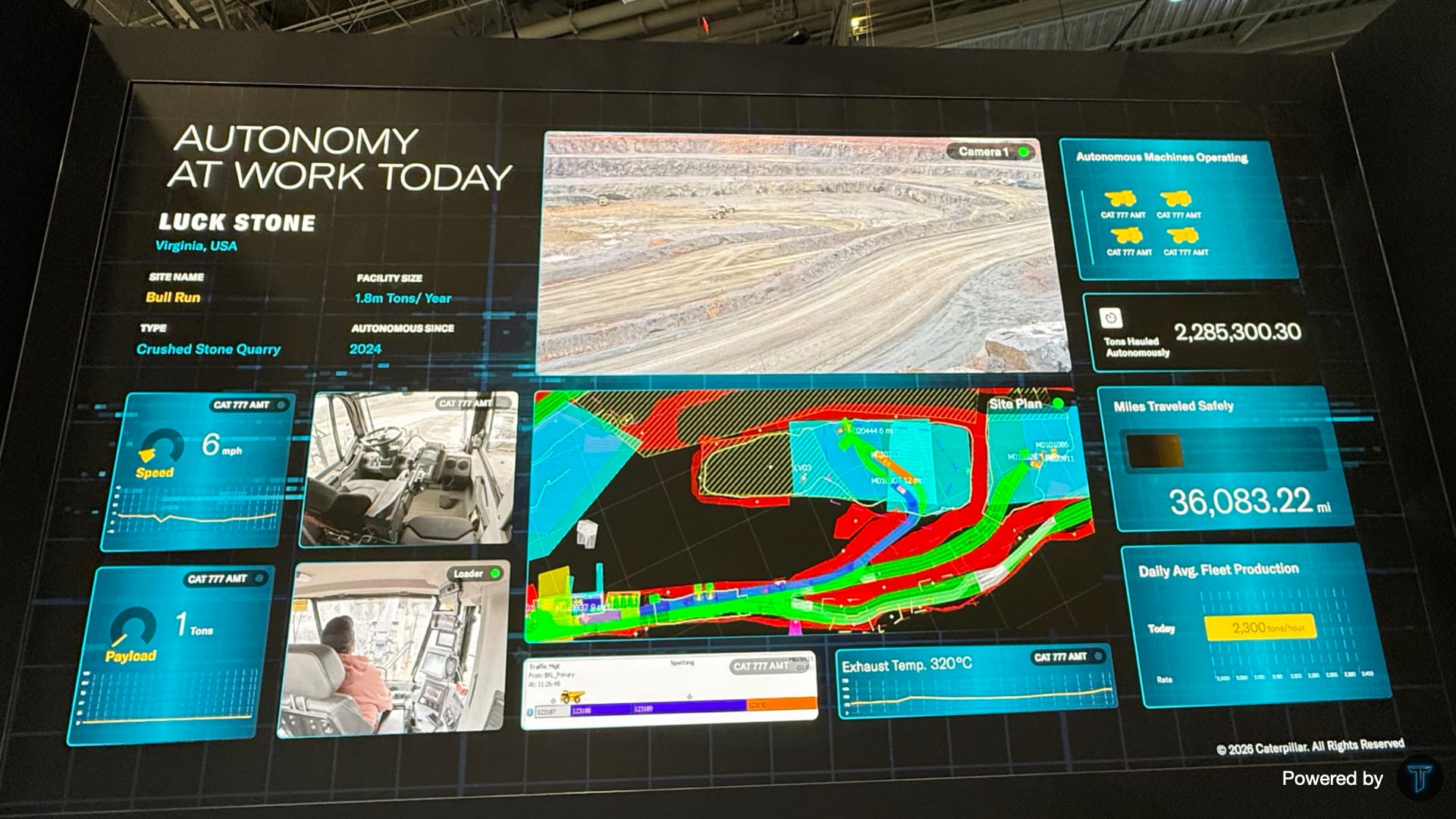
As of 2026, Caterpillar is aggressively breaking out of its traditional playground of massive open-pit mines and moving into the broader commercial construction and aggregate sectors. At the CES 2026 exposition in Las Vegas, Caterpillar CEO Joe Creed delivered a keynote address unveiling the company's next era of industrial AI and automation. Joined on stage by Nvidia, Caterpillar introduced the Cat AI Assistant, which runs on the Helios platform processing data from 1.5 million connected assets globally. Powered by Nvidia’s Thor AI robotics platform, this assistant allows real-time edge computing directly on machines without requiring constant cloud connectivity. Furthermore, Caterpillar announced plans for five autonomous construction machines, which include a wheel loader, dozer, haul truck, excavator, and compactor, expanding its three-decade autonomy program into standard construction workflows. A real-world blueprint for this expansion can be seen at Luck Stone's Bull Run quarry in Virginia, where autonomous Cat 777 trucks surpassed 2 million tonnes hauled within the first year of operation under single-shift constraints.
Balanced Assessment: The Hope of Efficiency vs. High Barriers
From a hopeful perspective, Caterpillar's autonomous haulage system delivers undeniable economic utility. Fleet data reveals operating cost reductions of up to 20% and productivity gains of up to 30%, driven by continuous 24/7 operations and the eradication of human operator shift delays. Over a decade of operation across multiple continents, these systems have moved more than 11 billion tonnes of material with zero reported lost-time injuries, offering a powerful remedy for acute global labor shortages.
Conversely, a more sobering view highlights severe deployment constraints. This flavor of autonomy thrives primarily because it operates within tightly controlled, closed geographic perimeters where public traffic is nonexistent and every asset is digitally mapped. Translating these multi-million-dollar sensor suites to open public roads remains economically and legally unfeasible. Additionally, the initial capital expenditure required to set up private high-speed wireless infrastructure and retrofit existing fleets creates a steep barrier to entry, leaving small-scale operators locked out of the autonomous transition.
Expert References:
- Caterpillar CES 2026 Media Kit:Caterpillar Media Link
- Caterpillar Unveils AI-Powered Future:Caterpillar Investor Link
- Fortune Business Insights Autonomous Mining Trucks Market:Fortune Business Insights Link
For research inquiries or collaboration, contact: ceo@technorns.com