Deconstructing Waymo's Multi-Sensory Hardware: A Multi-Year CES Evolution Study (2023-2026)
Analyze Waymo's sensor hardware evolution from Jaguar to Ojai at CES. Deconstructing cameras, radars, and lidars, we show how sensor fusion secures safety. This breakdown contrasts Waymo with Tesla's pure vision AI, framing the future of autonomous driving.

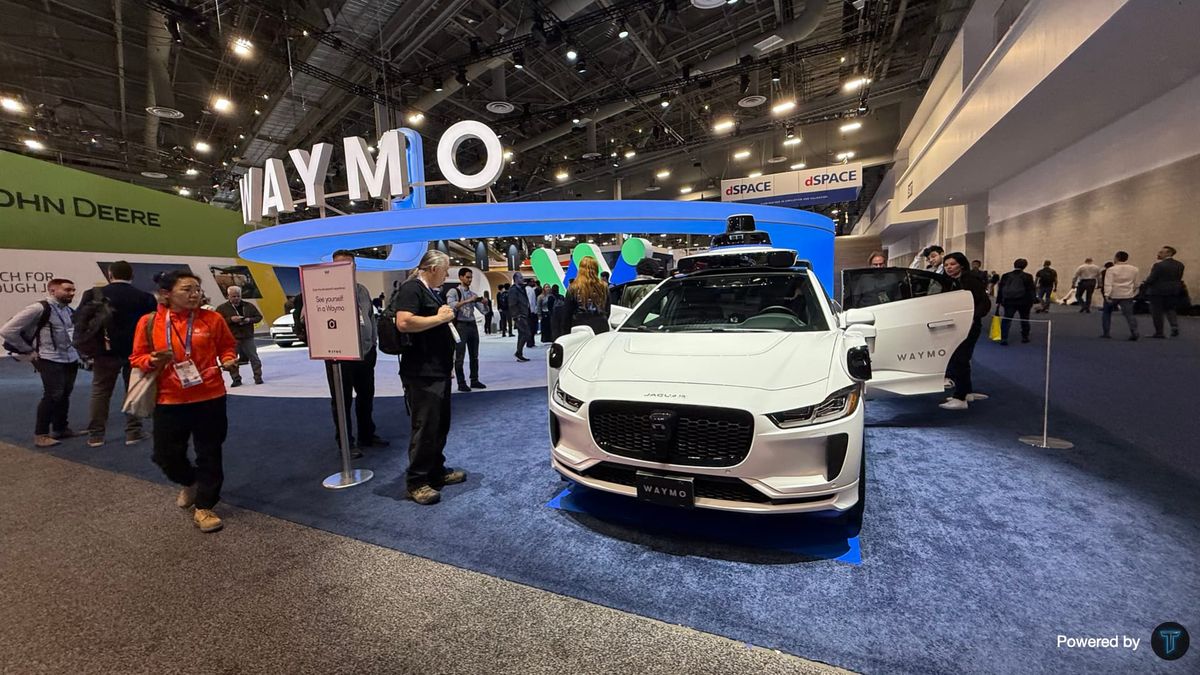
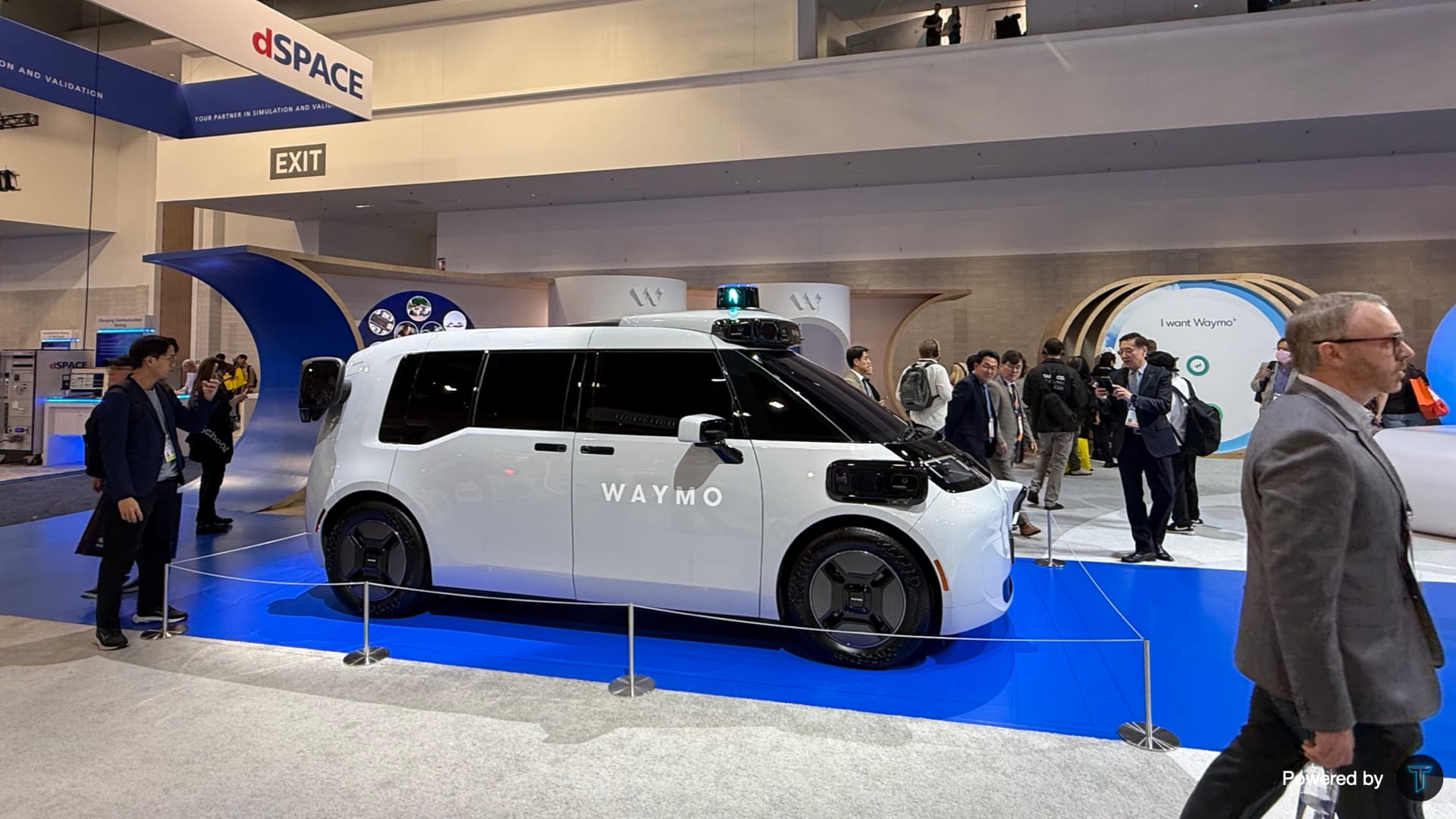
This is a technical white paper analyzing the commercial evolution of autonomous sensor architectures, based on a proprietary dataset captured on-site over a three-year period at CES.
At the heart of the debate over autonomous driving is the physical hardware that allows a vehicle to perceive its surroundings. During multi-year on-site coverage at CES, the physical footprint of Waymo's hardware stood as a monument to engineering redundancy. The exhibition panels detailing the Waymo Driver highlighted a system designed around a three-tier sensor framework consisting of a Lidar system, a Vision system, and a Radar system. According to Waymo's architectural layout, these sensors work in concert to provide overlapping 360-degree coverage. This enables the vehicle to perceive objects across the length of three football fields, nearly 300 meters, even in pitch-black conditions.
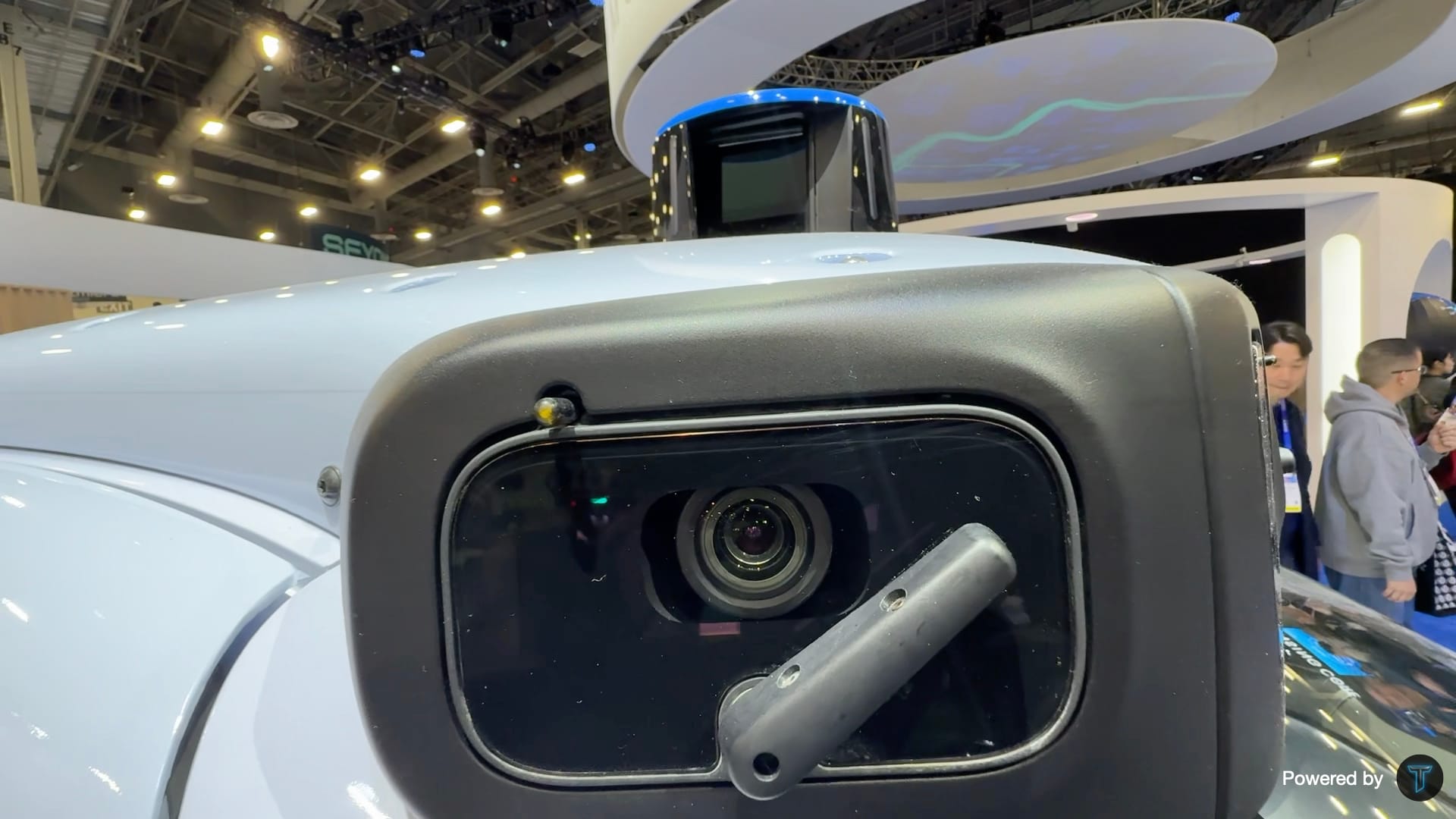
This multimodal system is the result of a developmental journey that began in 2009 with the Google self-driving car project. Over the span of more than a decade, the Waymo Driver has transitioned from experimental public road testing to commercial operations, logging tens of millions of rider-only miles on public roads alongside tens of billions of miles within advanced simulation environments. On the Chrysler Pacifica Hybrid fleet featured at CES 2023, the vehicle was encased in specialized sensor pods, crowned by a distinct rotating LiDAR dome that actively paints a real-time three-dimensional point cloud of the surrounding world. Expert evaluations published in the Waymo Safety Performance Data demonstrate that this multi-layered sensory approach provides substantial safety margins and highly reliable spatial coordination.
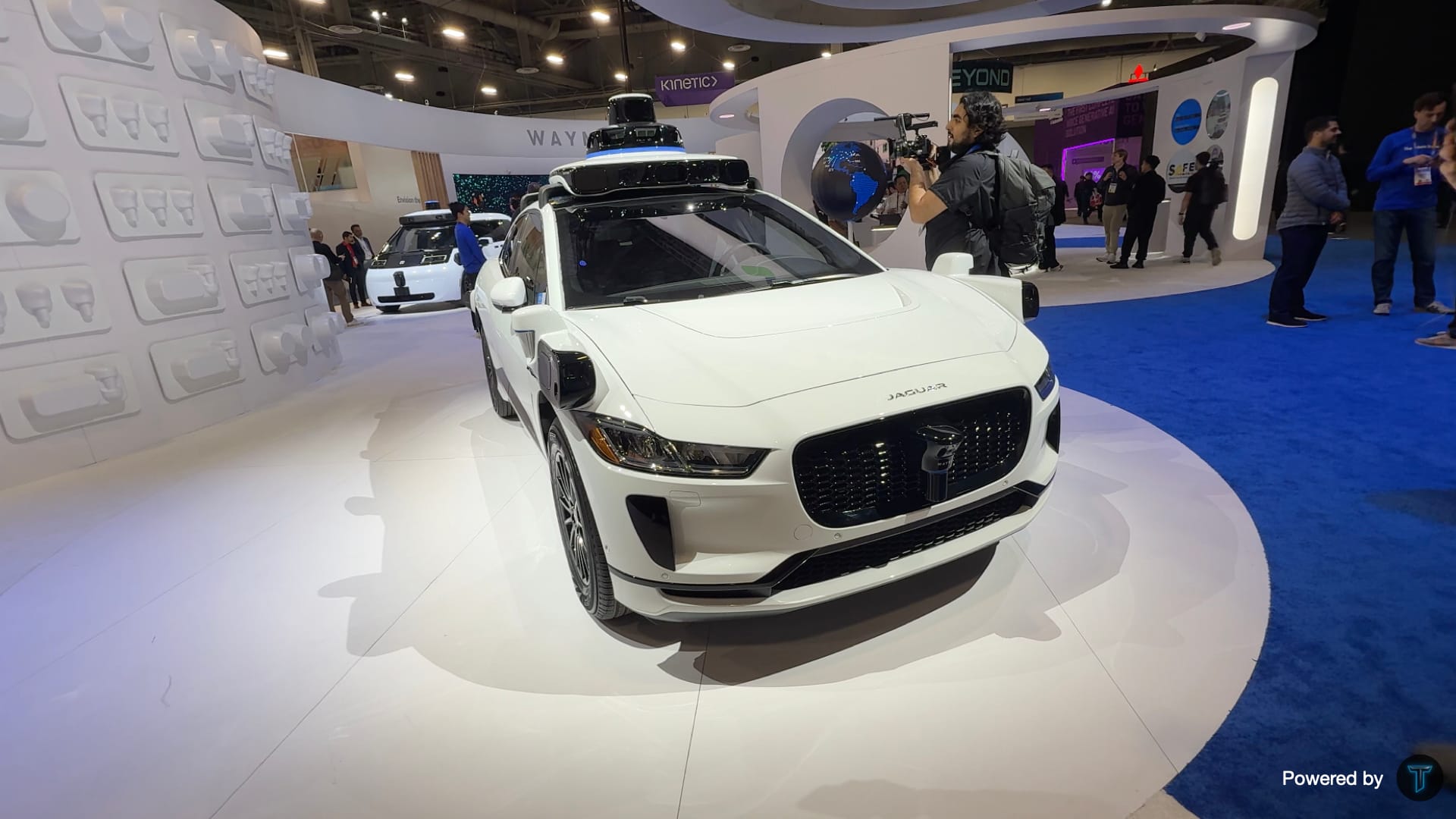
Sensor Architecture of the Jaguar I-PACE Robotaxi
Analyzing the 5th-generation Waymo Driver deployed on the 2021 Jaguar I-PACE showcases the physical reality of sensor fusion. This platform features a strategic, symmetrical layout of front and rear sensor arrays.
Front Configuration Elements
- Long Range Camera and Radar (Front Roof Area): Positioned high on the front edge of the roof assembly, this combination is optimized for forward-looking, long-range target tracking and path planning.
- Perimeter Lidar, Radar, and Peripheral Vision System (Front Fenders): Mounted on both front fenders, this localized pod provides wide-angle spatial accuracy and covers critical blind spots near the front wheels.
- Perimeter Lidar and Peripheral Vision System (Front Grill and Nose): Integrated directly into the front grill, this assembly is dedicated to proximal object detection and ground-level spatial mapping directly ahead of the vehicle.
- Core Sensor Physics: LiDAR operates by emitting active laser beams. Because light waves are much shorter than the radio waves used by radar, LiDAR delivers exceptional recognition speed and pinpoint spatial accuracy. Conversely, radar utilizes reflected electromagnetic waves, providing excellent performance in low-visibility environments, pitch blackness, and severe weather such as heavy rain or fog.
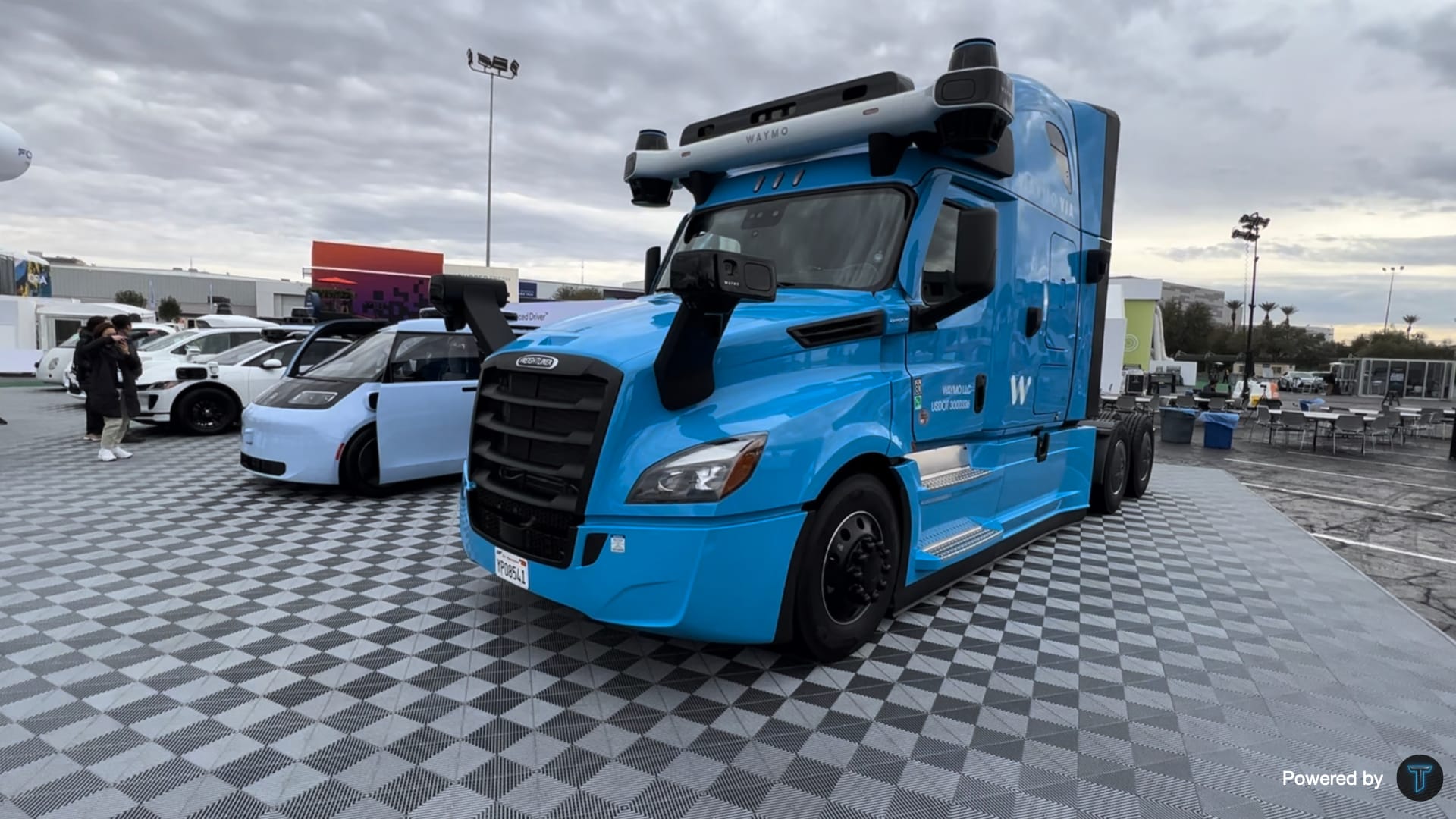
Rear Configuration Elements
- 360 Lidar and 360 Vision System (Roof Dome): The crown of the vehicle, housing the primary rotating LiDAR and surrounding camera modules, which cooperatively paint a continuous, spherical three-dimensional representation of the driving scene.
- Perimeter Lidar and Perimeter Vision System (Rear Side Panels): Mounted on the rear-quarter panels to manage blind spots and ensure safe spatial coordination during complex turning maneuvers.
- Peripheral Vision System and Radar (Rear Bumper Corners): Positioned on the lower rear corners to track high-speed overtaking vehicles and secure safe lane changes.
- Core Sensor Physics: Cameras function as passive 3D image sensors. Unlike active LiDAR and radar systems, cameras are capable of precise color recognition, making them irreplaceable for identifying traffic signals, brake lights, and road markings.
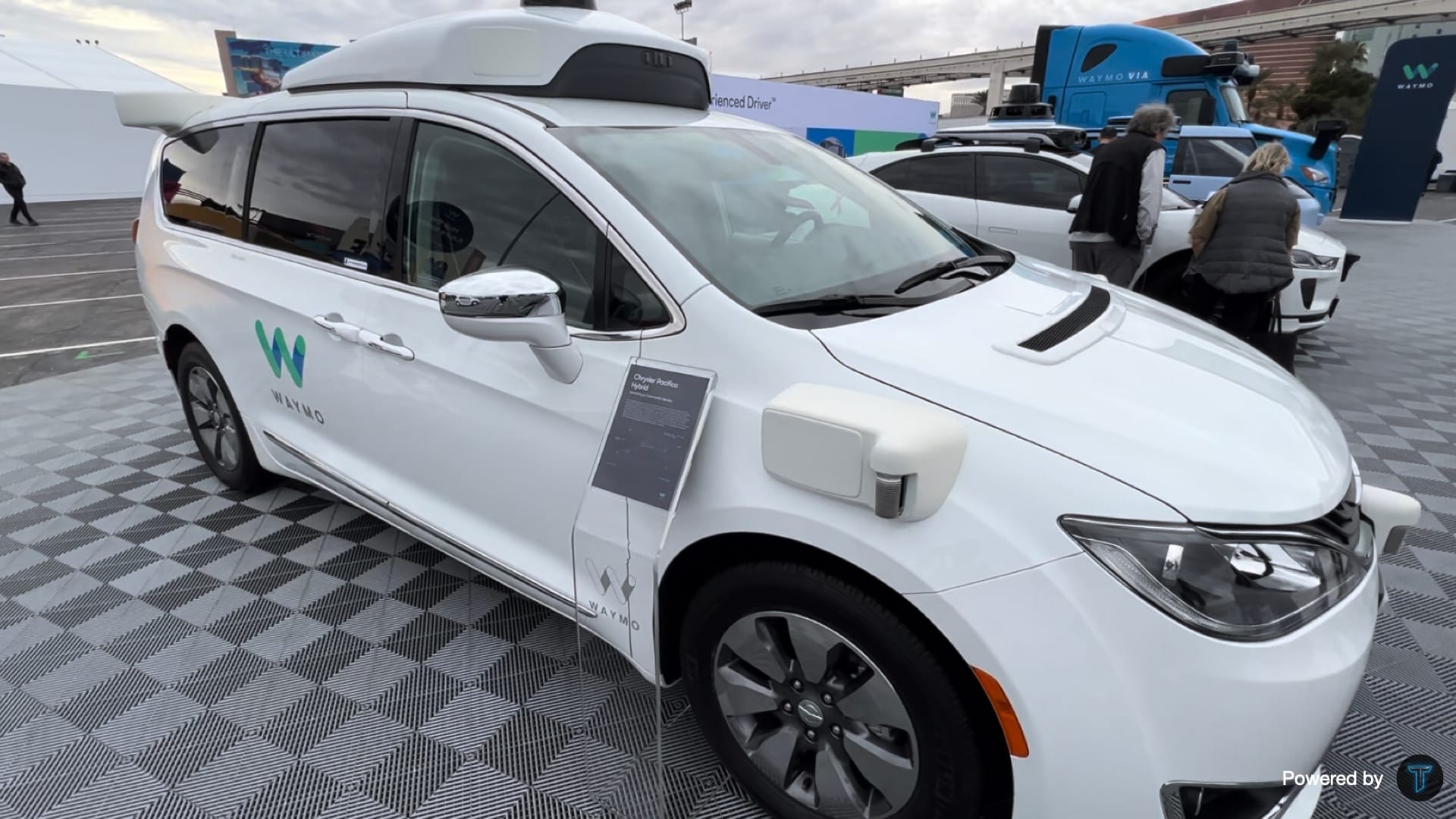
Platform Evolution to CES 2026: Hyundai Ioniq 5 and Zeekr
At CES 2024, the hardware paradigm shifted from utility minivans to premium electric vehicles, featuring the all-electric Jaguar I-PACE equipped with this 5th-generation Waymo Driver. This transition highlighted a major strategic move, which involves scaling a standardized, highly advanced autonomous driving kit onto high-performance electric vehicle platforms for real-world deployment. The 5th-generation suite streamlined the LiDAR, cameras, and radar sensors into more aerodynamic and structurally integrated enclosures.
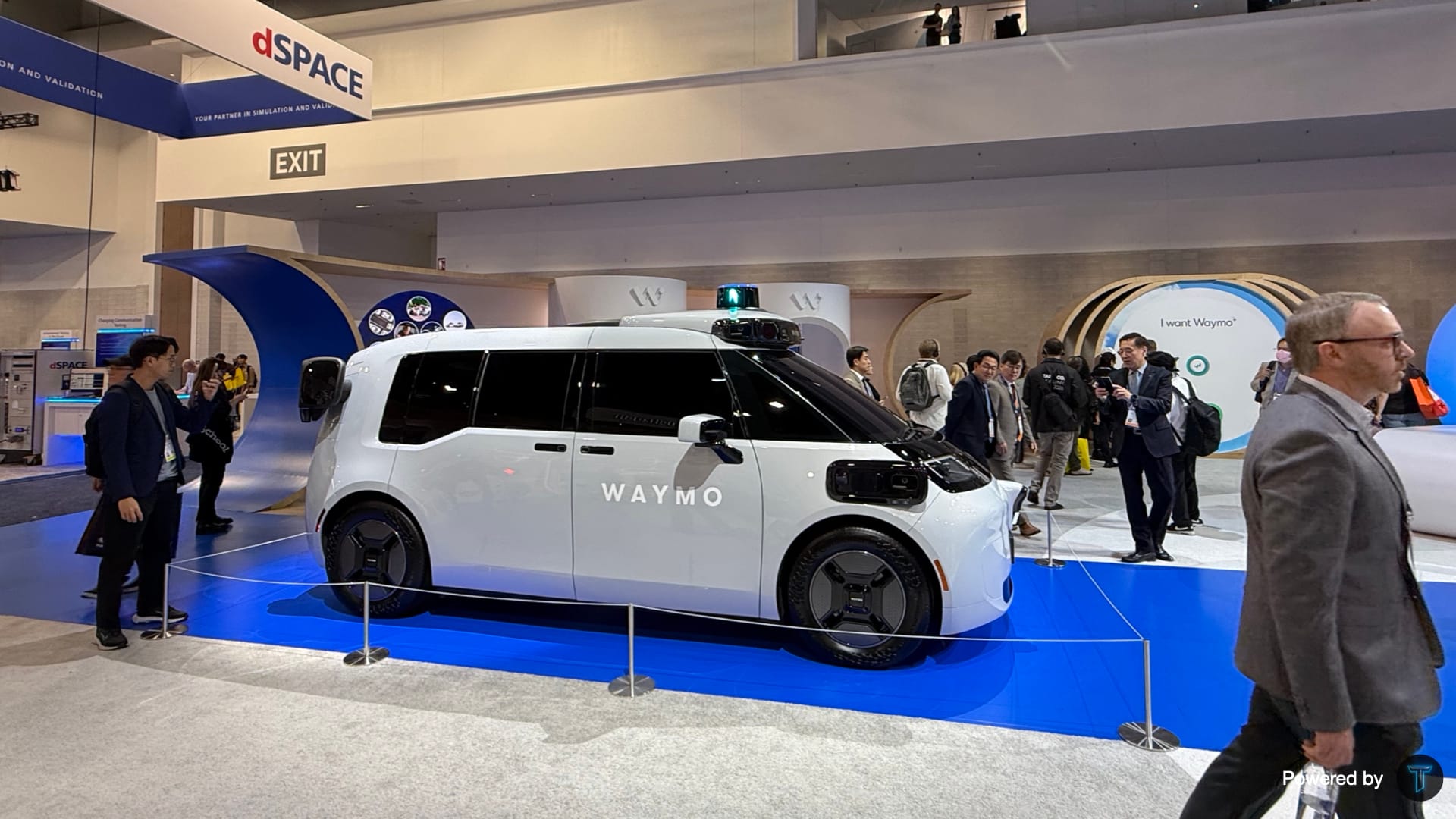
At CES 2026, Waymo unveiled the next phase of its global scaling strategy by showcasing its 6th-generation Waymo Driver integrated simultaneously into two distinct vehicle platforms, namely the customized Geely Zeekr minivan and the Hyundai Ioniq 5 electric SUV. The custom-built Zeekr platform represents Waymo's first purpose-built robotaxi design, featuring a completely flat floor, low step-in heights, and a spacious cabin optimized exclusively for passenger comfort, while still preserving the iconic roof-mounted LiDAR dome. Alongside it, the newly integrated Hyundai Ioniq 5, built on Hyundai's advanced E-GMP electric architecture with built-in hardware redundancies, is designed to scale rapidly across global urban centers.
A key highlight of the 6th-generation suite is the advancement of Waymo's proprietary imaging radar. As showcased in the technical displays, this imaging radar creates large, dense temporal maps of the environment around the vehicle, instantly cartographing the distance, velocity, and size of an object. By functioning as a high-resolution spatial sensor that is entirely unaffected by adverse weather, this advanced radar provides an irreplaceable safety layer for multimodal self-driving vehicles.
For research inquiries or collaboration, contact: ceo@technorns.com