The Era of Physical Intelligence: Why We Must Decode Musk Again

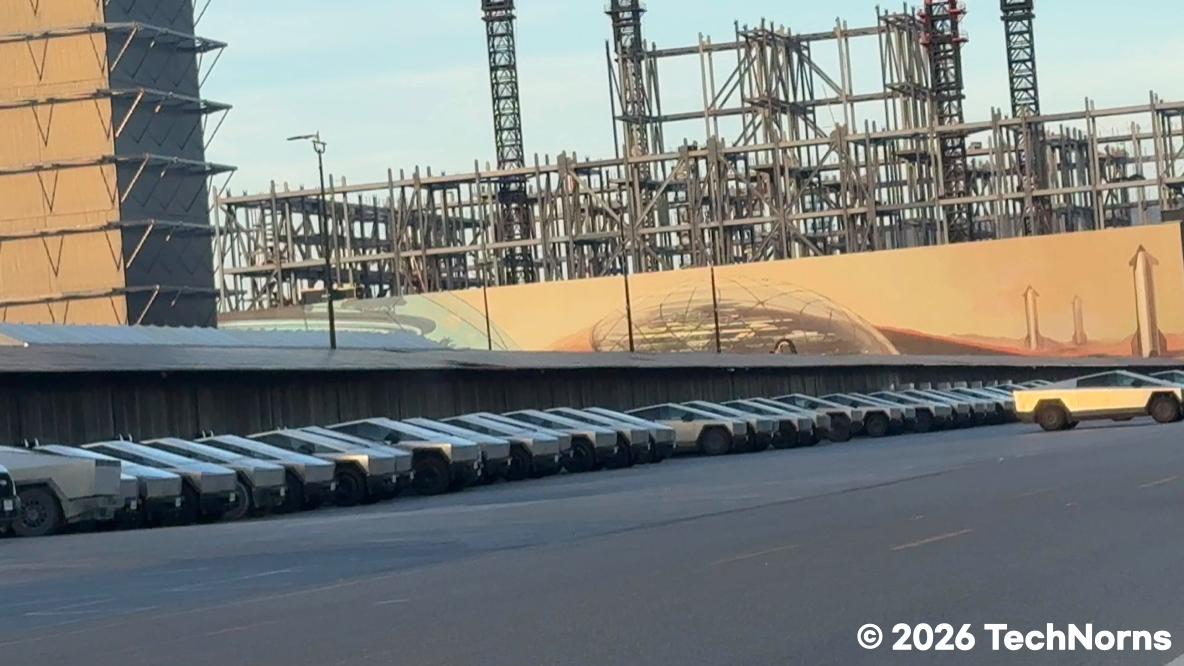
The Cybertruck at Starbase: The Convergence of Two Worlds
In January 2026, at Starbase in Boca Chica, Texas, I stood beneath Starship as it towered over the coastal wetlands. Below the launch tower sat a fleet of Cybertrucks. Their stainless steel bodies reflected the same material used on the spacecraft above. A vehicle built for Earth's harshest roads now stood side by side with one heading to Mars.
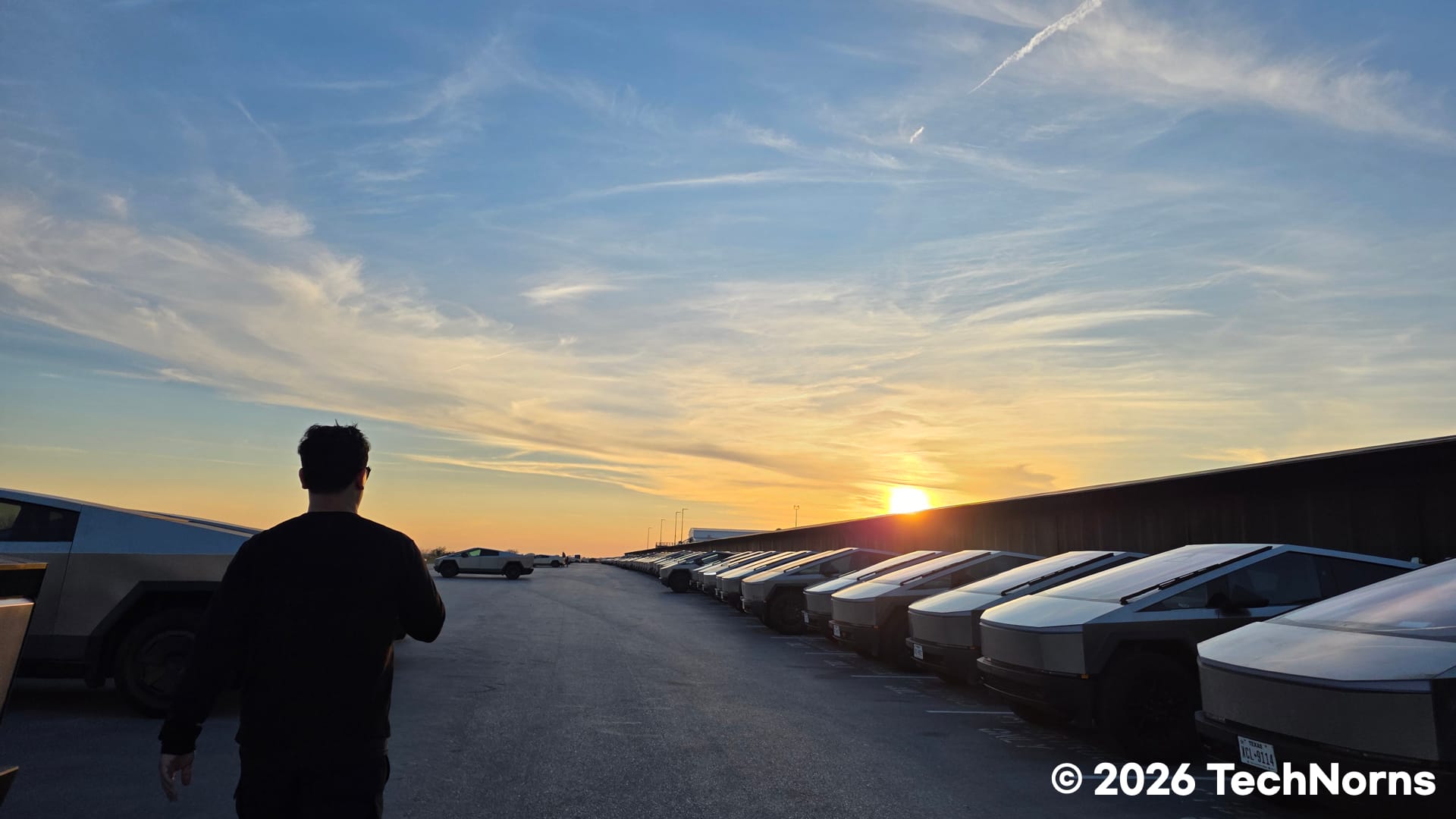
“Only what is seen and touched constitutes the truth.” Walking past row after row of these stainless-steel vehicles at a rocket manufacturing site, I began to understand the scale of the technological empire taking shape before my eyes.
This is not coincidence. It is convergence.
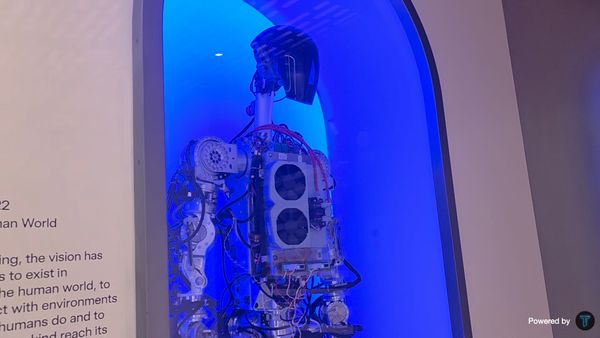
Tesla and SpaceX have shared materials for years, but the integration has reached a new level. Both use the same 30X cold-rolled stainless steel alloy. It provides the Cybertruck with extreme dent resistance and allows Starship to survive intense heat during reentry. Inside the vehicles, Tesla's Full Self-Driving system, trained on millions of real-world miles, now serves as the foundation for the Optimus robot. When connected with xAI's models and Neuralink's interfaces, the system begins to link human intention directly with machine action. This marks the early stage of a closed-loop physical intelligence ecosystem.
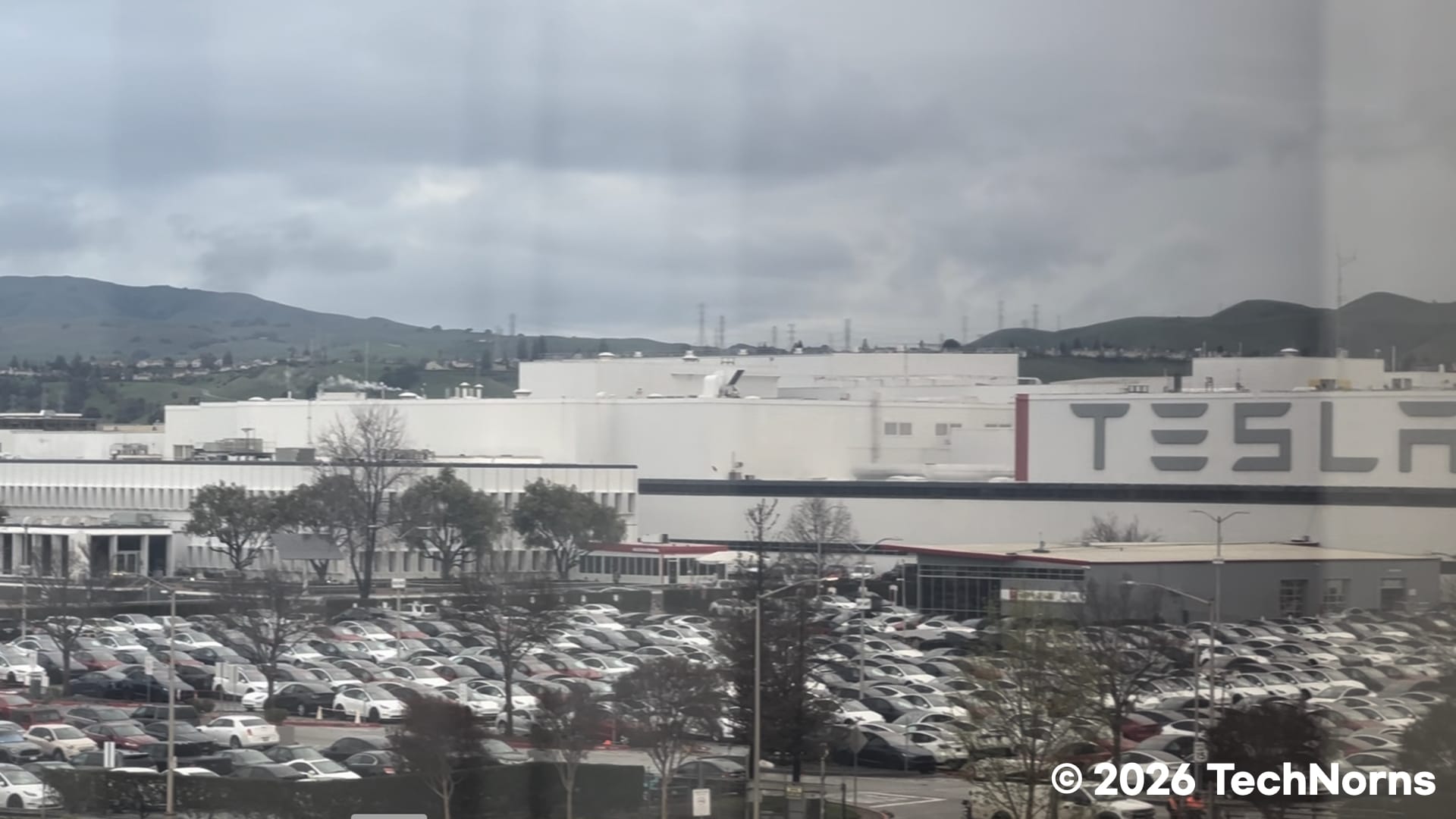
The Fremont Factory: Where Tesla’s Survival and Proof BeganWhile Starbase projects a bold vision of the future, the Fremont factory in California remains living proof of how Tesla survived “production hell” to turn physical intelligence into commercial reality.
From Fremont to Starbase
The Fremont factory showed that Tesla could survive production hell and scale complex vehicles profitably. Starbase demonstrates something bigger. Multiple Musk companies now function as one technological organism, sharing materials, software, data, and engineering culture.
Why This Ecosystem Matters
Many observers focus on Musk's public statements and stock movements. The more important story is visible in the hardware and systems being built on the ground. Falcon 9 first-stage reuse, once thought nearly impossible, is now routine. The same focus on rapid iteration and cost reduction is spreading across Tesla vehicles and Optimus production.
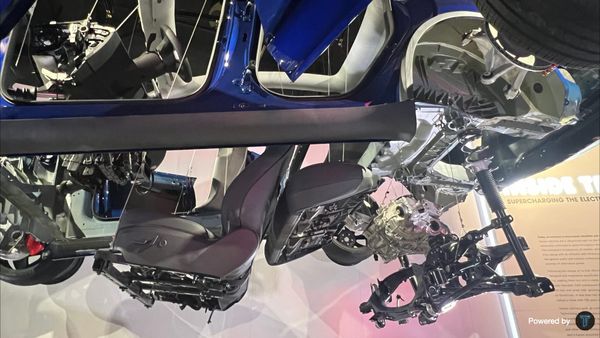
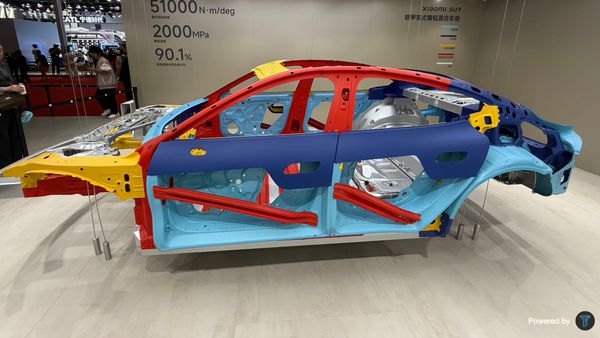
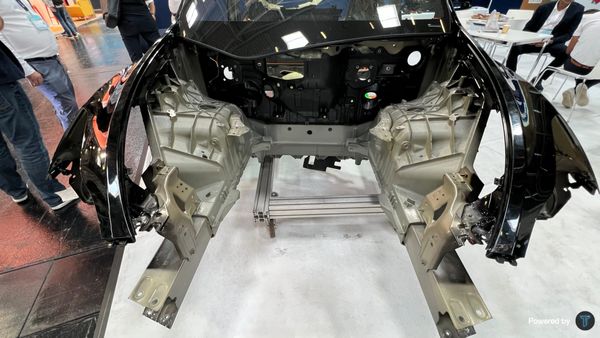
Giga Casting replaced more than 70 stamped parts with a single large aluminum casting. This change cuts assembly time and cost dramatically. It represents a clear break from traditional manufacturing methods that had changed little for over a century. Musk's companies treat vehicles and rockets as fully integrated systems designed from first principles.
The Unified Intelligence Layer
Full Self-Driving is no longer limited to cars. It has become the vision and control backbone for Optimus. Combined with xAI's reasoning engines and Neuralink's neural interfaces, the entire loop, perception, decision, action, and human connection, is beginning to close. Few organizations can move breakthroughs so fluidly across automotive, robotics, space, and brain-computer fields.Challenges remain significant. Technical hurdles are high and some timelines may slip. Even so, the physical progress at Starbase and Fremont is undeniable.
Observed, Not Theorized
This series comes from direct observation, not desk research. For more than a decade I have walked factory floors and test sites from California to China to Germany. The rows of Cybertrucks at Starbase are real evidence that Musk's Master Plan has moved from concept to physical reality in stainless steel and silicon.If you want to understand the future direction of transportation, energy, robotics, and space travel, this ecosystem is the one to watch.
For research inquiries or collaboration, contact: ceo@technorns.com