Pure Vision vs. LiDAR Multimodalism: Tesla's Bold Bet on End-to-End AI and the Future of Mobility
Explore Tesla's pure vision FSD and Cybercab. We analyze its hardware minimalism against sensor fusion, weighing the hope of real-world safety against the despair of black-box AI limits.

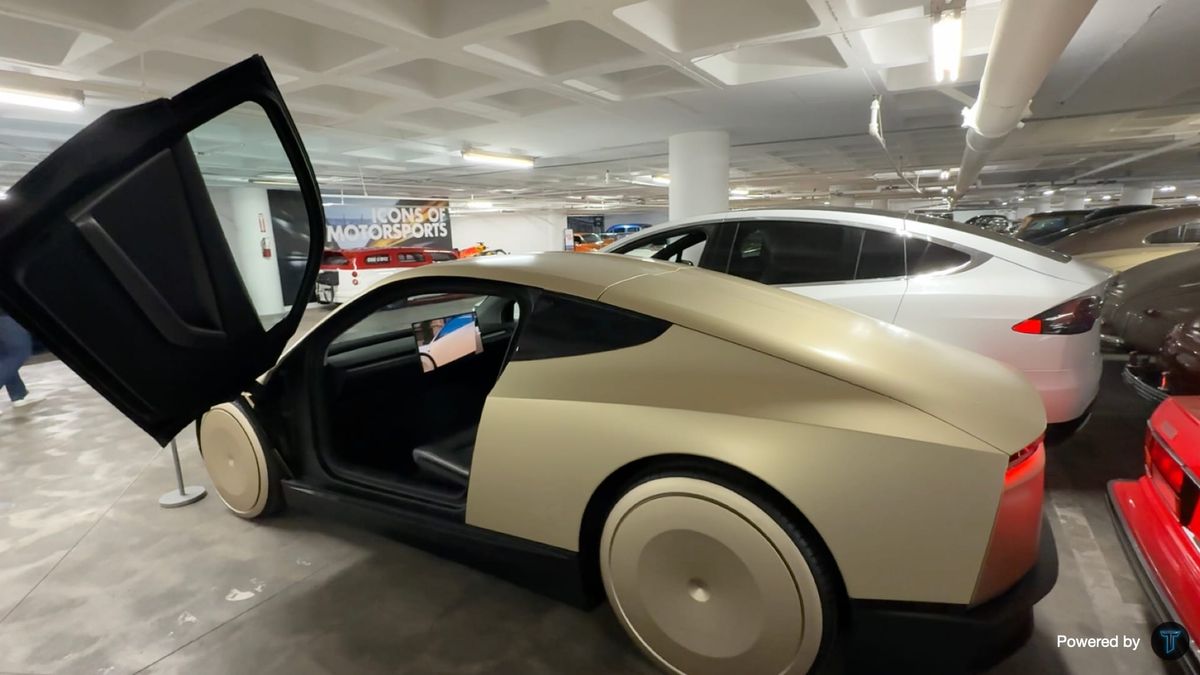
While competitors at CES double down on layering advanced LiDAR units and high-resolution imaging radars, Tesla is charting a radically minimalist course. Observing the refreshed Model 3 closely in Germany, the first thing that stands out is the reduction of physical levers and buttons compared to the previous version. More importantly, there are no LiDAR or dedicated radar sensors for autonomy. This design choice reflects Elon Musk’s core belief, which holds that the real breakthrough in autonomous driving will come from software and neural networks that can interpret the world through vision alone, much like humans do.
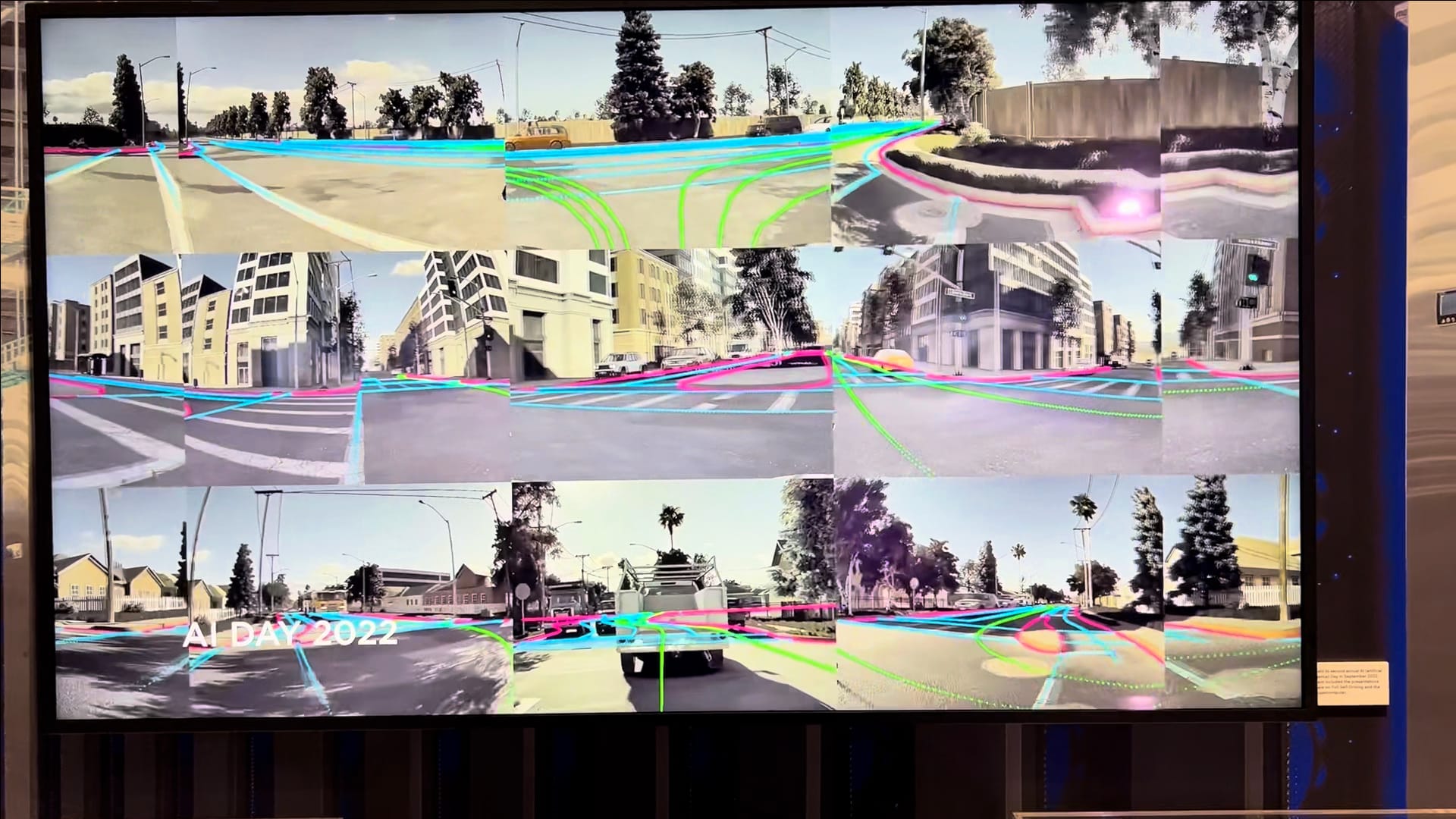
Traditional automakers and tech giants continue to invest heavily in multi-sensor fusion, combining active sensors like LiDAR for precise 3D mapping and radar for distance detection with passive cameras. Waymo’s prominent CES showcases, highlighting heavily instrumented vehicle platforms, perfectly exemplify this hardware-heavy philosophy. Tesla, by contrast, has bet everything on cameras plus powerful AI. Musk has been outspoken about this for years. On April 23, 2019, at Tesla's Autonomy Day, Musk publicly criticized LiDAR, famously calling relying on it stupid and predicting that companies dependent on it would ultimately fail.
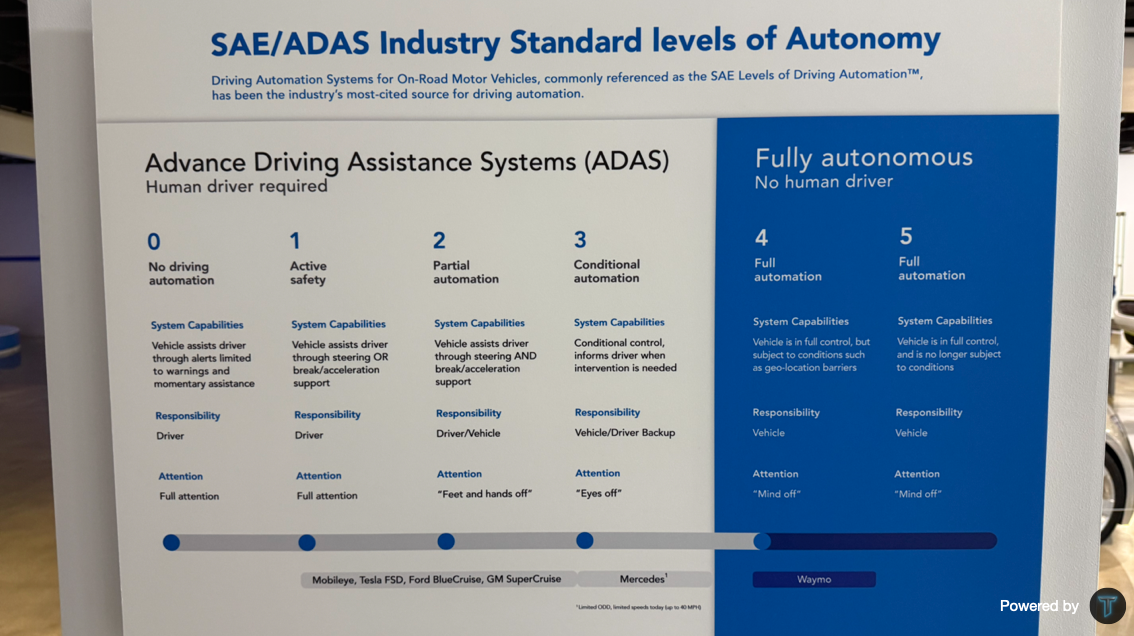
The Paradigm of Elimination: Simplification as the Foundation for Level 5 Autonomy
To understand Tesla's extreme hardware minimalism, one must look to SpaceX's structural engineering philosophy. Real-world automation behaves differently once the preliminary phases of simplification (Levels 1 to 4) are completely established.
The pinnacle of Level 5 automation was demonstrated on October 13, 2024, at Starbase. Approximately seven minutes after liftoff, the massive 71-meter Super Heavy Booster 12 fell freely from an altitude of 70 kilometers. Ten of the thirty-three Raptor engines reignited for the boostback burn to steer the booster back toward the launch site. Thirteen engines ignited during the landing burn to decelerate the vehicle, and three engines performed final micro-adjustments. A 275,000-kilogram steel booster came to a precise halt and was caught mid-air by the mechanical chopstick arms of the launch tower, known as Mechazilla.
Tom Mueller, the legendary former propulsion lead at SpaceX, expressed absolute awe at this moment, recalling that when Musk first proposed eliminating landing legs entirely to catch the booster in mid-air, the entire engineering team was left in disbelief. This groundbreaking catch was executed almost entirely by autonomous systems, requiring only a single authorization command from a human director. The system cross-referenced thousands of distinct vehicle and pad criteria in real time. If a single metric had deviated from the safety envelope, the booster would have automatically aborted and diverted to a splashdown in the Gulf of Mexico.
This extreme level of automated control succeeded because the structural simplification (removing the heavy, complex landing legs) had already been completed. Tesla’s pure vision strategy adopts the exact same engineering blueprint. By aggressively removing radar and ultrasonic sensors, Tesla eliminates physical failures, calibration drift, and sensory conflicts, paving the way for a single, highly generalized neural network to govern the entire system.
Ashok Elluswamy’s Technical Deep-Dive: Why Cameras and AI are Enough
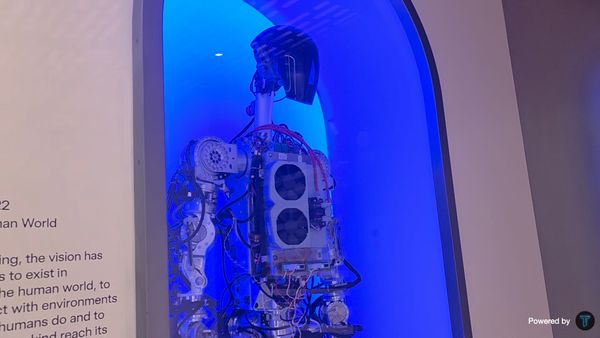
At the ScaledML and GTC 2026 conferences, Ashok Elluswamy, the leader of Tesla’s AI team for the past 12 years, delivered a comprehensive technical deep-dive into this philosophy. He outlined Tesla's core mission: producing massive abundance for the world through scalable transport and humanoid robots, specifically the Optimus platform.
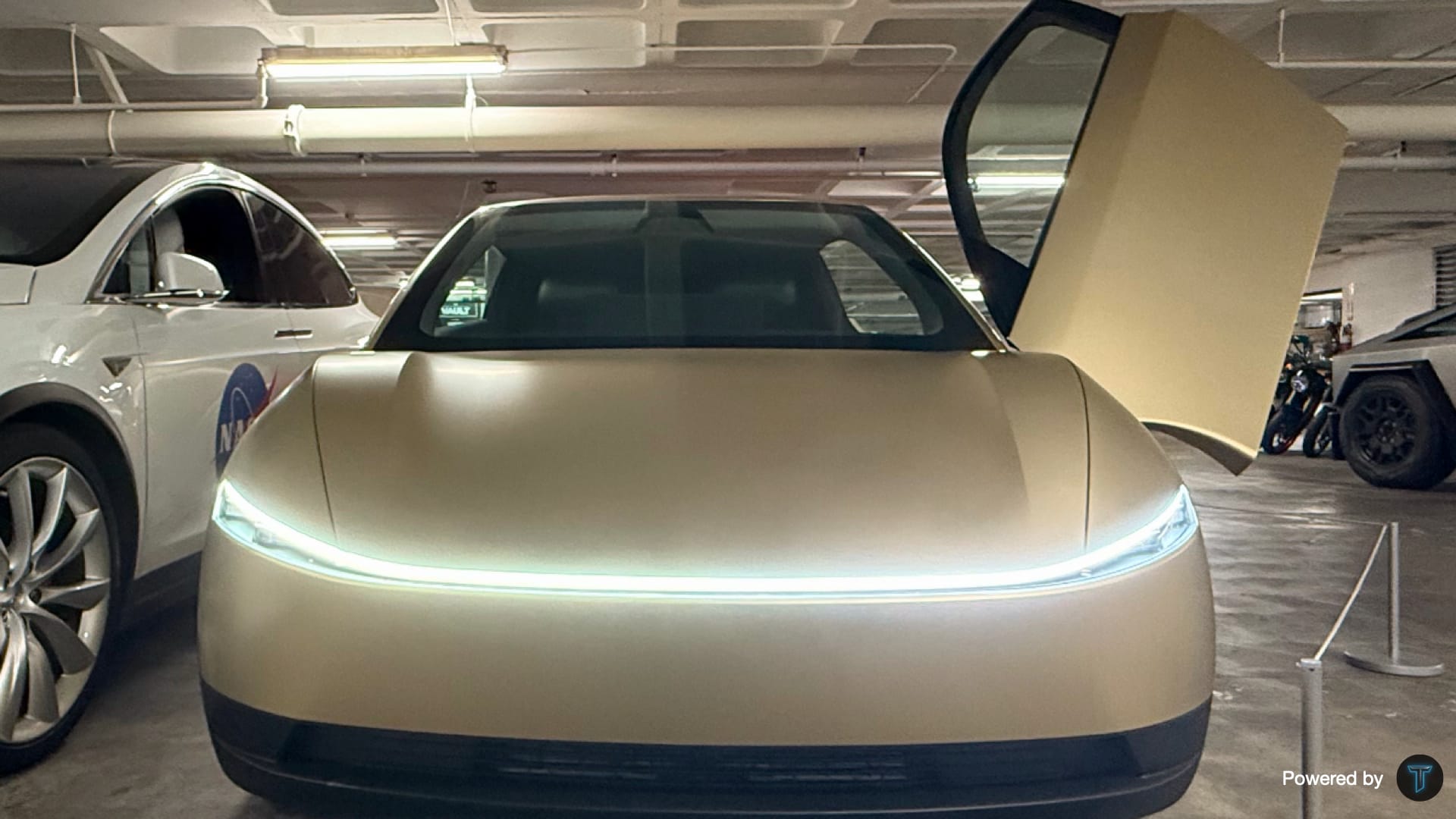
As of July 2026, Tesla is publicly operating a fully unsupervised, driverless robotaxi service in Austin, Texas, using only cameras and AI. This service serves as the operational foundation for the Cybercab, which features no steering wheel or pedals and is slated for mass production in 2026.
Overcoming the Modular Pipeline Deficit
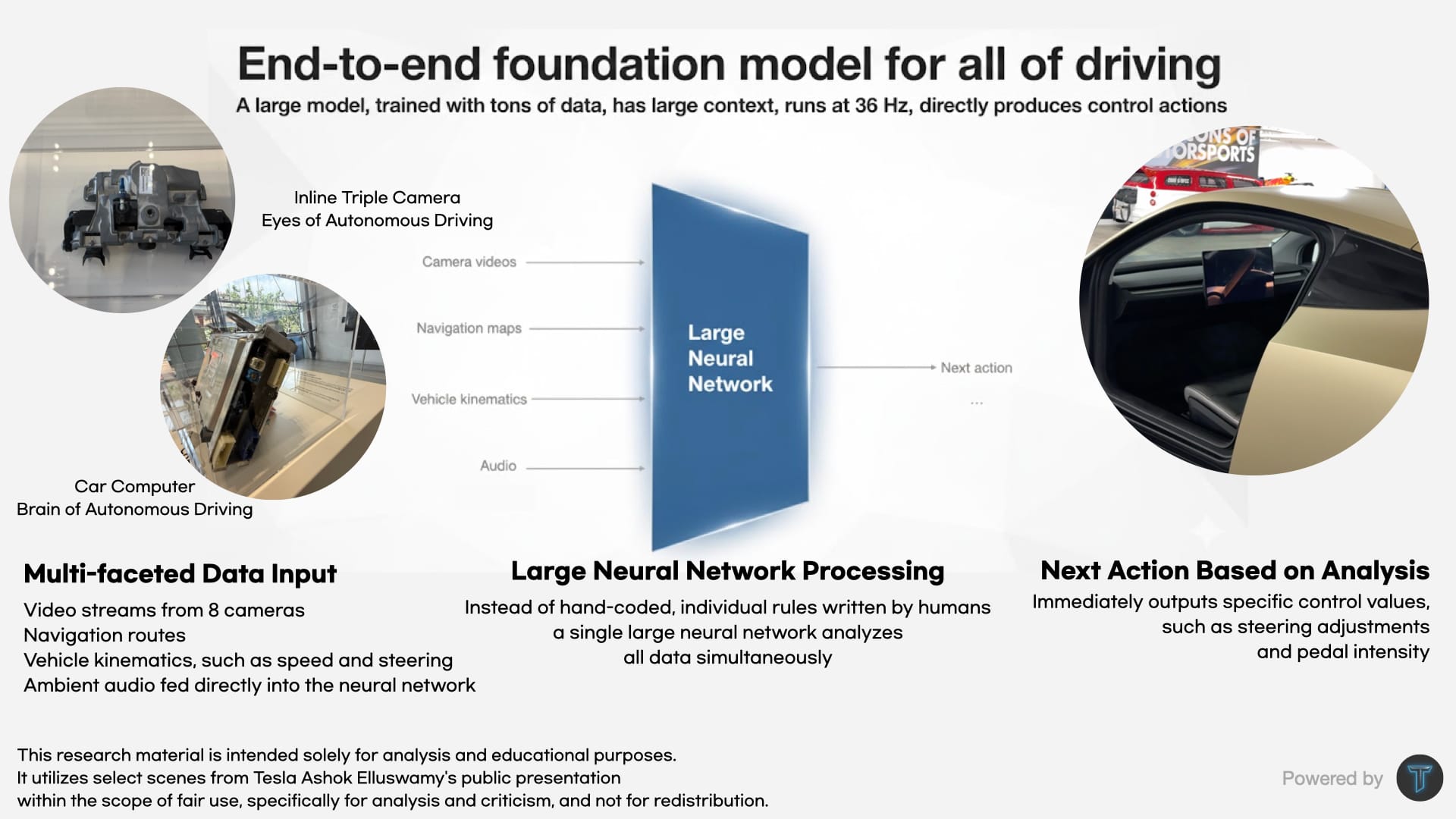
Traditional autonomous vehicles rely on modular pipelines, which split tasks into independent stacks: perception, prediction, planning, and control. Elluswamy argued that this setup suffers from leaky abstractions. When raw sensory inputs are processed and heavily filtered by independent modules, critical details and uncertainties are lost before the data ever reaches the control layer.
In real-world robotics, information must flow densely. For instance, a modular system attempting to navigate a narrow road with a deep water puddle is faced with a trolley problem: should it cross the puddle or cross into the oncoming lane? A rule-based system struggle to weigh these conflicting rules. Tesla’s end-to-end network, by contrast, holistically considers the entire visual context (such as oncoming traffic, visibility limits, and puddle depth) to output a unified action.
Similarly, when FSD encounters rare, unpredictable biological obstacles like chickens or geese on the road, it does not require hand-engineered detectors. The end-to-end neural network reads subtle visual cues directly from the pixels, allowing FSD to wait patiently for straggler chickens or safely navigate around standing geese.
Resolving the Curse of Dimensionality through Fleet Scale
Building an end-to-end system introduces what Elluswamy called the curse of dimensionality. To make driving decisions, the vehicle processes continuous streams of high-resolution video from eight cameras over a rolling temporal history of at least 30 seconds to track contexts like stop-sign priority. This amounts to compressing roughly two billion tokens of raw sensory input down into just two outputs: steering angle and acceleration/braking commands.
With such immense compression, neural networks are highly prone to learning spurious correlations, such as braking because a tree branch moved. To learn correct causal mappings, massive data is required.
Tesla’s fleet serves as its primary competitive moat, generating 500 years of driving data every single day. Rather than capturing mundane highway miles, Tesla deploys targeted triggers to capture highly interesting edge cases, such as school buses, emergency vehicles, or near-misses. This selective mining allows Tesla to train its networks on rare, hazardous scenarios that competitors cannot realistically stage.
This extensive training delivers proactive safety. For example, FSD has demonstrated the predictive intelligence to anticipate a crash of a vehicle ahead before it even hits a barrier. By analyzing subtle changes in the lead vehicle's yaw rate seconds in advance, FSD safely applies brakes before the collision occurs, performing complex, real-time spatial calculations that humans struggle to execute.
Neural World Simulators and Interpretability Probes
A common critique of end-to-end neural networks is that they act as uninterpretable black boxes. Tesla resolves this by attaching diagnostic probes during training. These probes force the model to construct explicit internal representations without slowing down inference:
- 3D Geometric Reasoning: Tesla utilizes generative Gaussian Splatting, running in hundreds of milliseconds instead of traditional 30-minute rendering times, to let the network generate and understand interactive 3D environments around the car.
- Text-Based Reasoning: The model can generate language-based traces, pointing out road closures and detour signs to explain its planning decisions.
For closed-loop testing, Tesla has trained a massive, action-conditioned generative World Simulator. This world model consumes action-state pairs to synthesize realistic 5-megapixel, 36-fps video across all eight cameras. Engineers use this simulator for regression testing, replaying historical human interventions with newer policies, and even injecting synthetic, adversarial hazards to stress-test the AI's boundaries.
Most importantly, these end-to-end and generative simulation networks are not limited to vehicles; they serve as a foundational neural network for all robotics, successfully generalizing to the Optimus humanoid robot's indoor walking and physical manipulation tasks.
A Balanced Engineering Assessment: Hope and Despair
An objective engineering evaluation of this ideological clash reveals a stark contrast between immense promise and persistent vulnerability.
The hope of Tesla's pure vision approach lies in its rapid scalability and adaptive learning capacity. By treating autonomous driving as a pure software and AI challenge, Tesla can continuously generalize driving behaviors from billions of real-world miles logged by its vast consumer fleet. Updates can be pushed over-the-air, immediately elevating the driving capabilities of millions of vehicles globally without requiring hardware retrofits. The foundational alignment of this AI with the Optimus program means that any breakthrough in autonomous driving immediately accelerates the capabilities of humanoid robots, creating an unprecedented flywheel of physical automation.
Conversely, the despair lies in the black-box nature of deep learning. As highlighted in professional analyses by IEEE Spectrum, verifying the absolute safety of end-to-end models remains an unsolved mathematical challenge because they lack explicit, rule-based safety guardrails. When an artificial neural network controls the steering wheel directly from raw pixels, determining the exact cause of a catastrophic failure is nearly impossible. Under extreme edge cases, such as direct sunlight blinding, heavy fog, or torrential rain, passive cameras face physical optical limits that active LiDAR light pulses or imaging radars can easily bypass.
Which vision ultimately wins will shape not only robotaxis but the entire future of mobility. Tesla’s minimalist, software-first strategy challenges the industry’s long-standing assumption that more hardware always equals better safety. Whether that bet pays off at scale remains one of the most important questions in autonomous driving today.
For research inquiries or collaboration, contact: ceo@technorns.com