Starbase: The First City SpaceX Built to Leave Earth
Inside Starbase, Texas: the city SpaceX built to prepare humanity for Mars, where a public road doubles as a rocket-viewing platform.

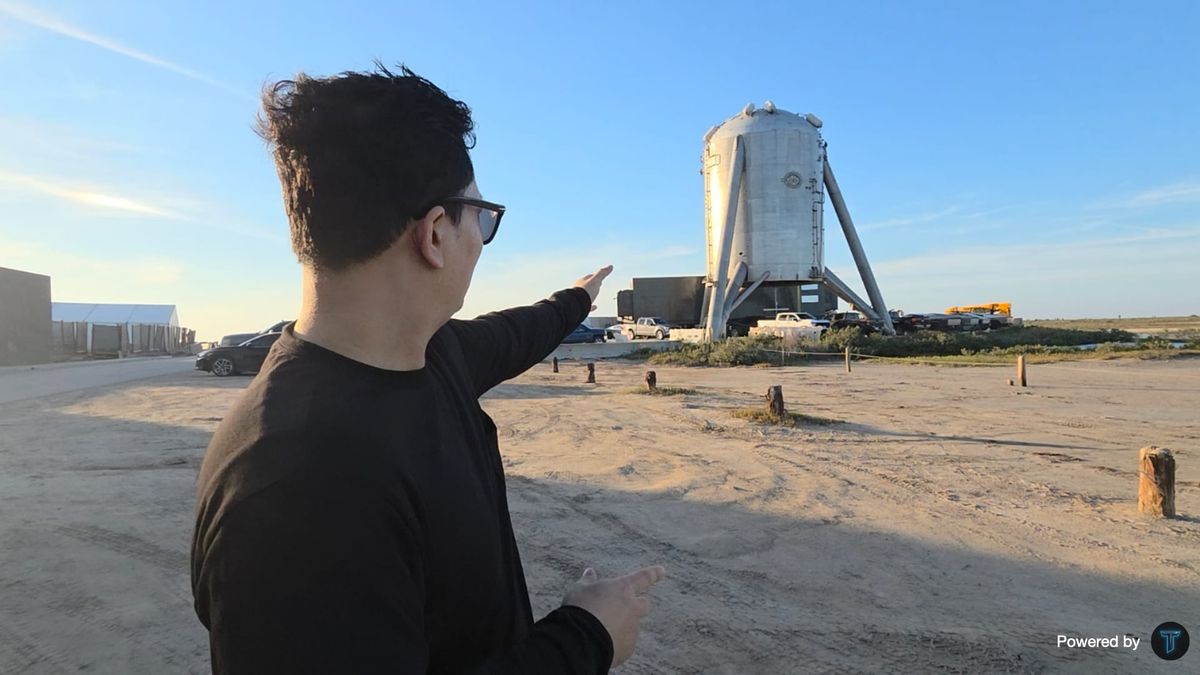
You can watch humanity's most powerful rocket being built from the side of a public road.
That fact alone tells you what kind of place Starbase is. NASA's Kennedy Space Center is a restricted zone. Vandenberg is a military base. Starbase is neither. There is no ticket, no guided tour, no polished visitor center. A few meters from a state highway, a full-scale Starship is assembled, tested, and launched in plain view.
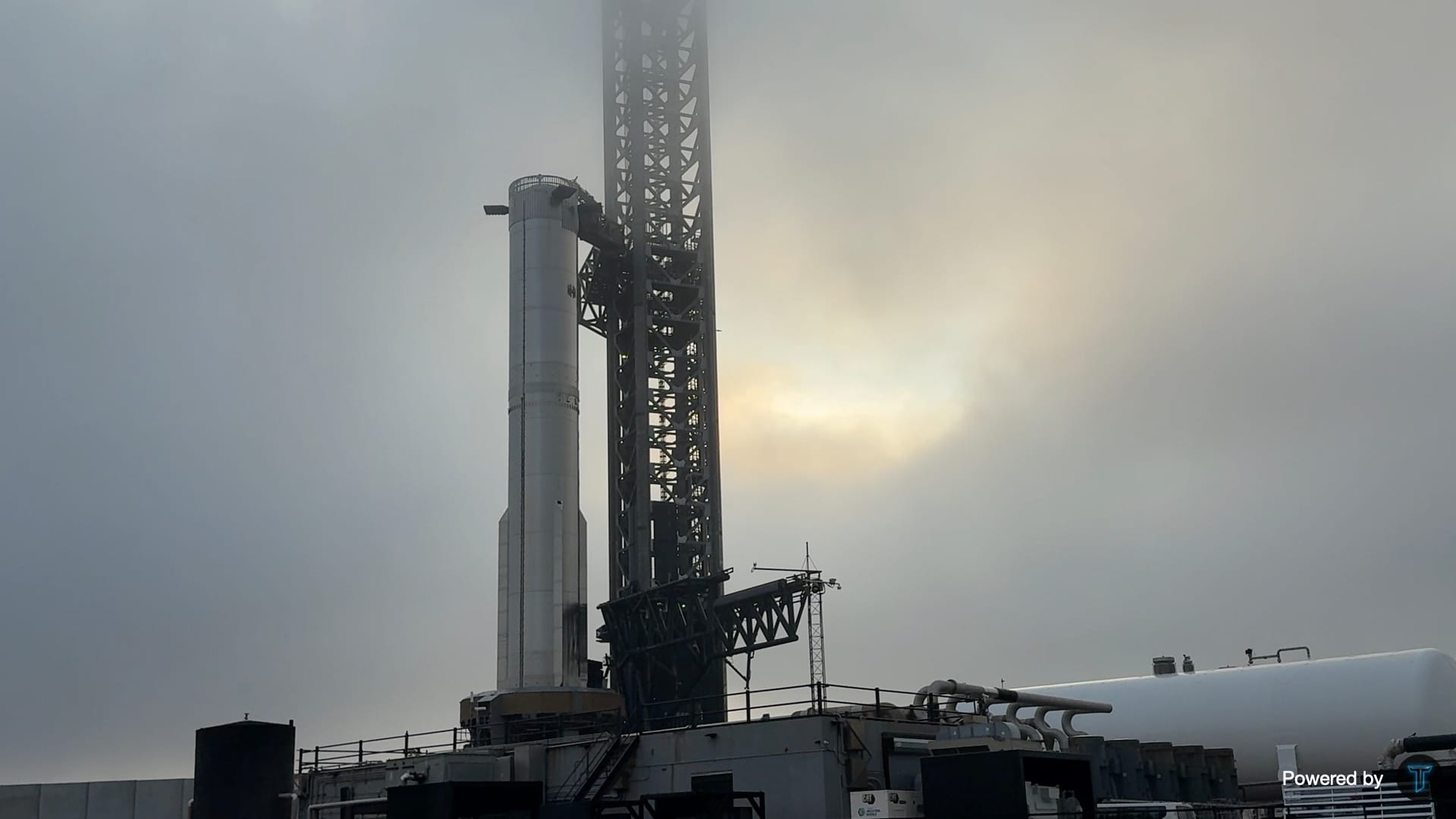
When I stood there, the Super Heavy booster was on the pad. Stack a Starship on top of it and the vehicle clears 120 meters, nearly half the height of Seoul's 63 Building. But the comparison breaks down almost immediately. The 63 Building rises from the middle of a dense city. The Super Heavy stands alone on an empty flat, the Gulf of Mexico at its back. To an eye trained on Seoul's apartment complexes, the proportions simply refuse to register at first.
The ground this structure stands on became an official city in May 2025. Residents voted 212 to 6 to incorporate, a near-unanimous result, though it helps to know that of the 283 registered voters, the vast majority were SpaceX employees. The county judge who authorized the election called it a "company town," and noted it was the first new city incorporated in Cameron County in three decades.
That phrasing deserves care. Company towns are not new to America. Through the 19th and 20th centuries, steel, coal, and lumber firms owned the housing and stores around their plants. What is unusual is not the idea of a company town, but the act of a corporation formally incorporating its own land as a legal municipality, something experts say SpaceX may be the first to do in Texas. The county's "thirty years" refers to its own incorporation history, not to some earlier era of corporate cities.
The resident population is under 500, most of them SpaceX employees and their families. The city's central industry is the settlement of Mars. Six years ago, this was little more than a sandbar.
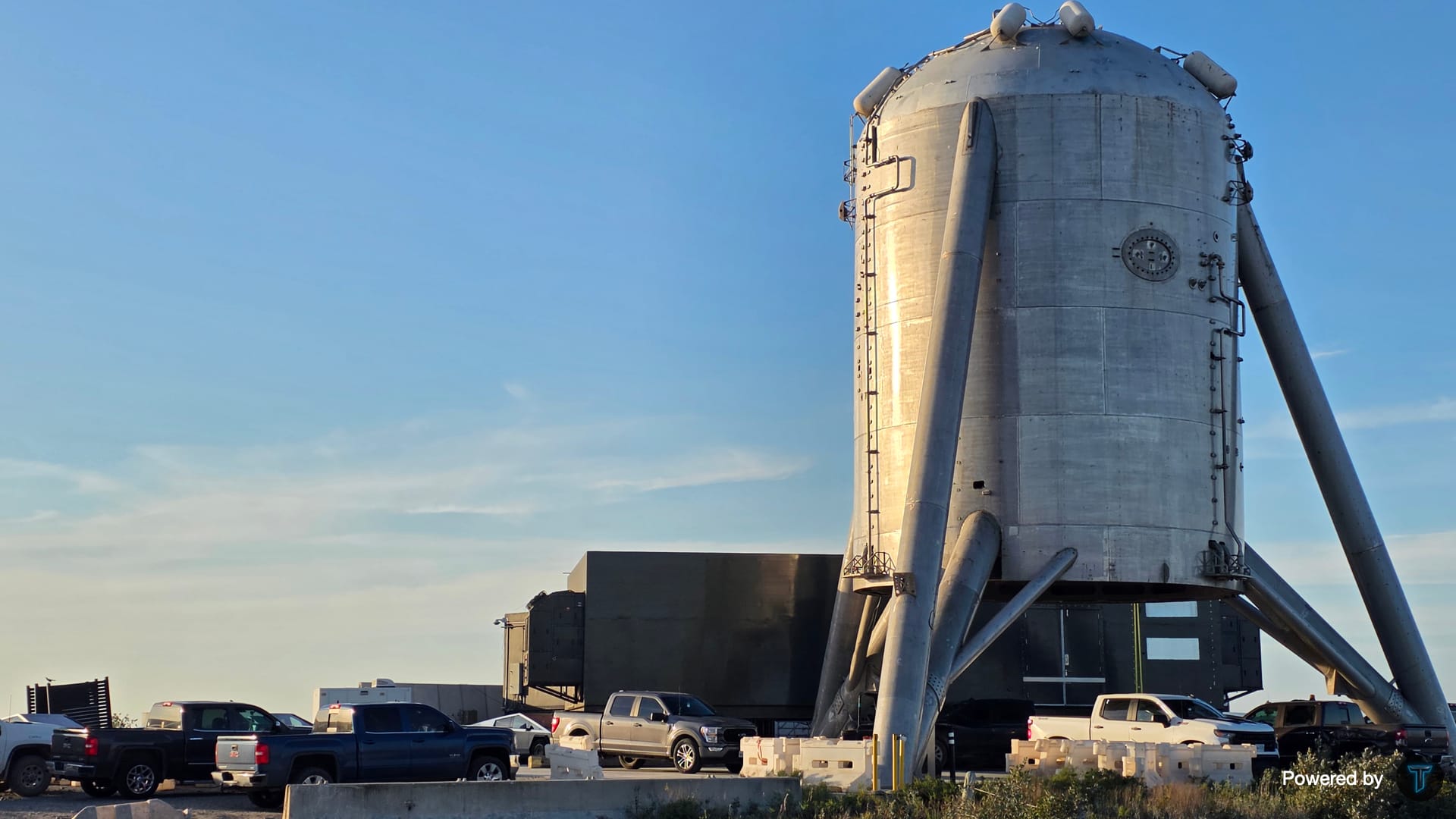
Just north of the launch-facility entrance, at the edge of the road, stands Starhopper, the first prototype of the Starship program. In 2019 it made a low-altitude test flight on a single Raptor engine. Now it is retired and simply parked by the roadside. No museum. No fence. Had this been NASA, that vehicle would sit behind glass. SpaceX has already forgotten it, because the next test is waiting. Failure is not exhibited here; it is left behind. That speed is the essence of this company.
Not everyone welcomes the speed. Starbase is ringed by wildlife refuges. In 2024 the Texas Commission on Environmental Quality investigated an unpermitted discharge of industrial wastewater, and the U.S. Environmental Protection Agency fined SpaceX for Clean Water Act violations. A survey after a June launch that year found that within 400 meters of the pad, the eggs in the nests of plovers and other shorebirds had all been lost or damaged.
In 2025 the Federal Aviation Administration concluded, in its environmental review of SpaceX's expanded launch cadence, that there would be no significant environmental impact. But regulators and environmental groups remain divided. And whichever side is right, the entire dispute rests on a single assumption: that remaining on Earth is humanity's only option.
A species that has staked everything on one planet, now trying to escape a crisis of its own making, must at some point break that assumption somewhere. That this empty stretch of coast is where the breaking begins is both an irony and, perhaps, an inevitability.
For research inquiries or collaboration, contact: ceo@technorns.com