The Boring Company at Nine: What I Learned Riding Elon Musk's Tunnels
Nine years in, Musk's tunnel company has four million riders, real safety violations, and a twenty billion dollar valuation anyway.

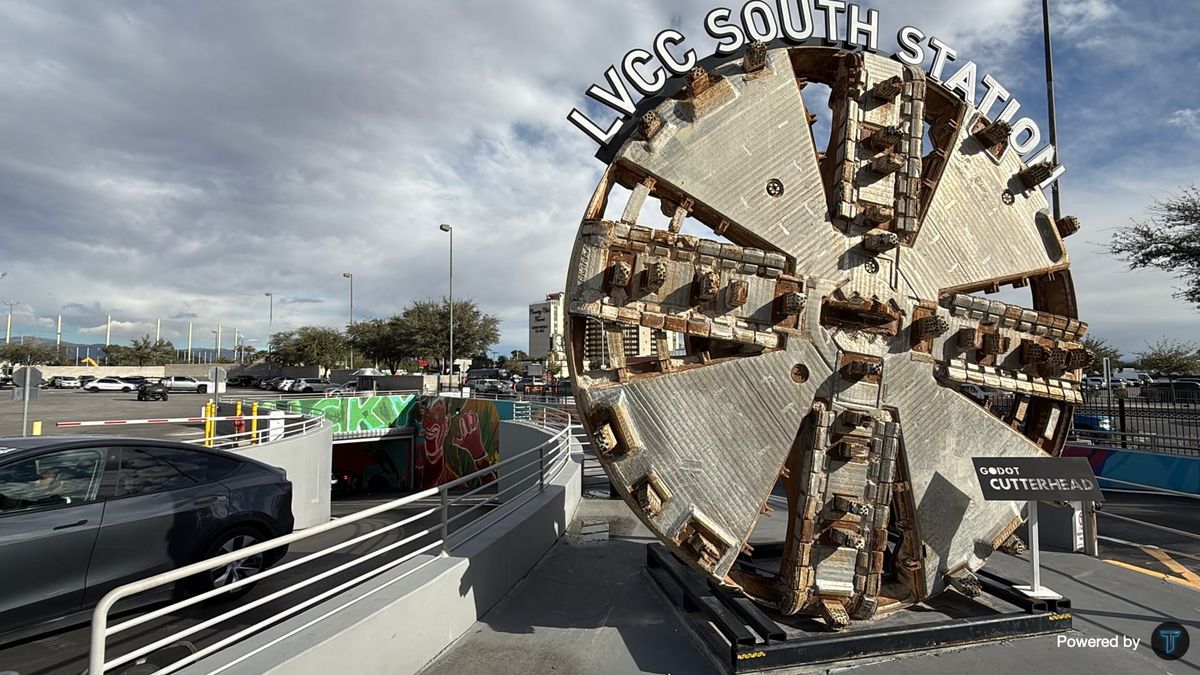
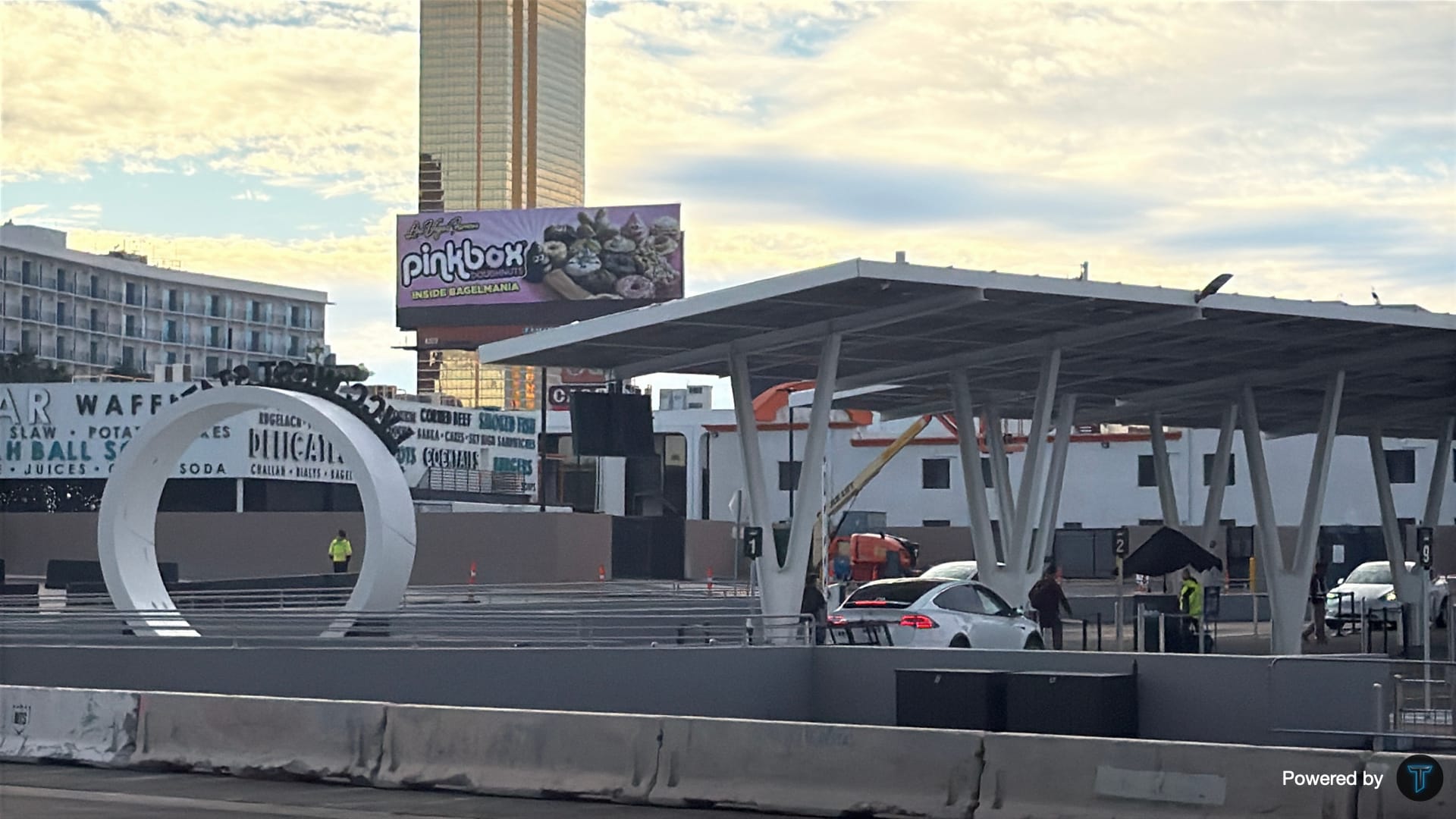
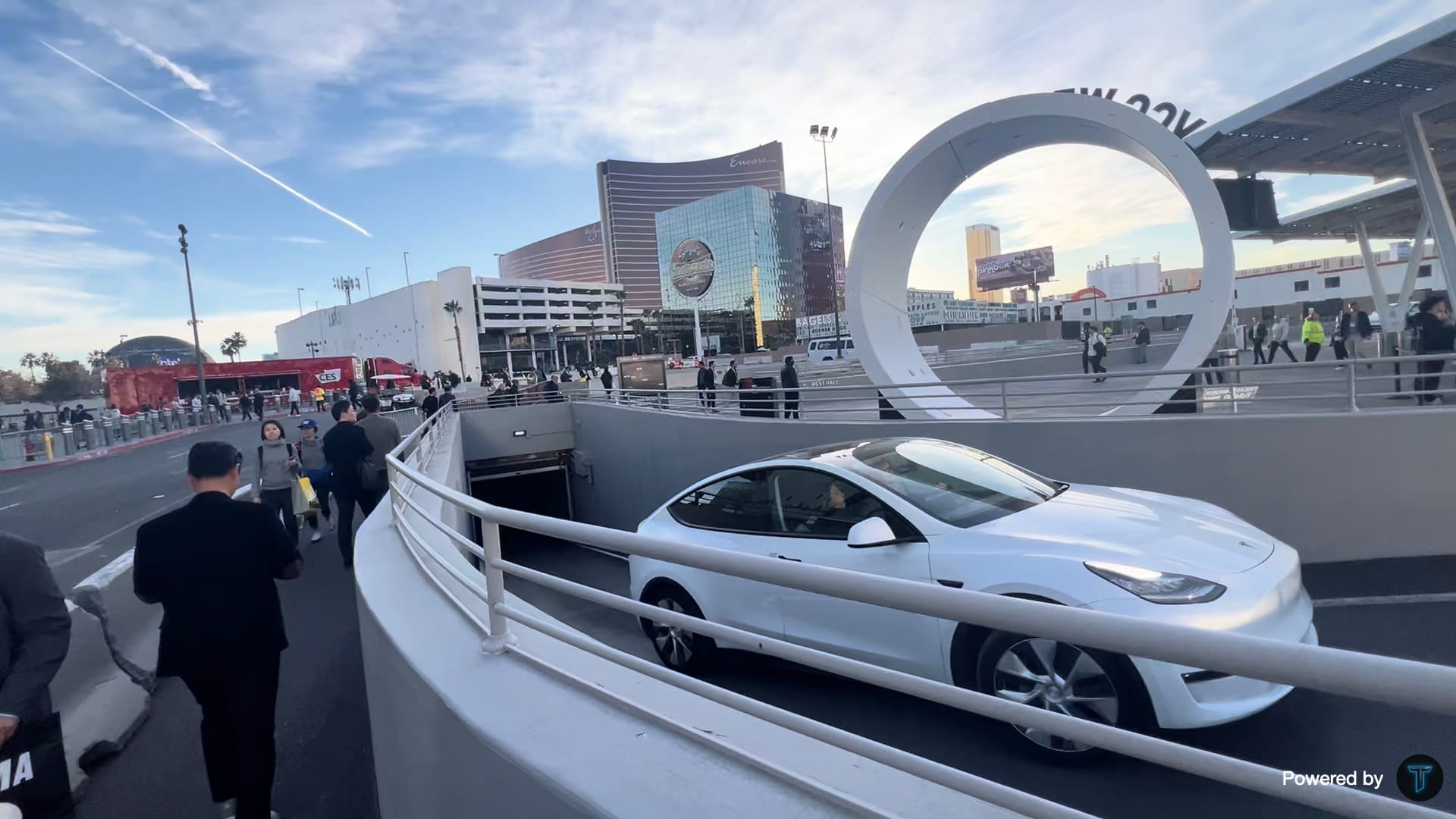
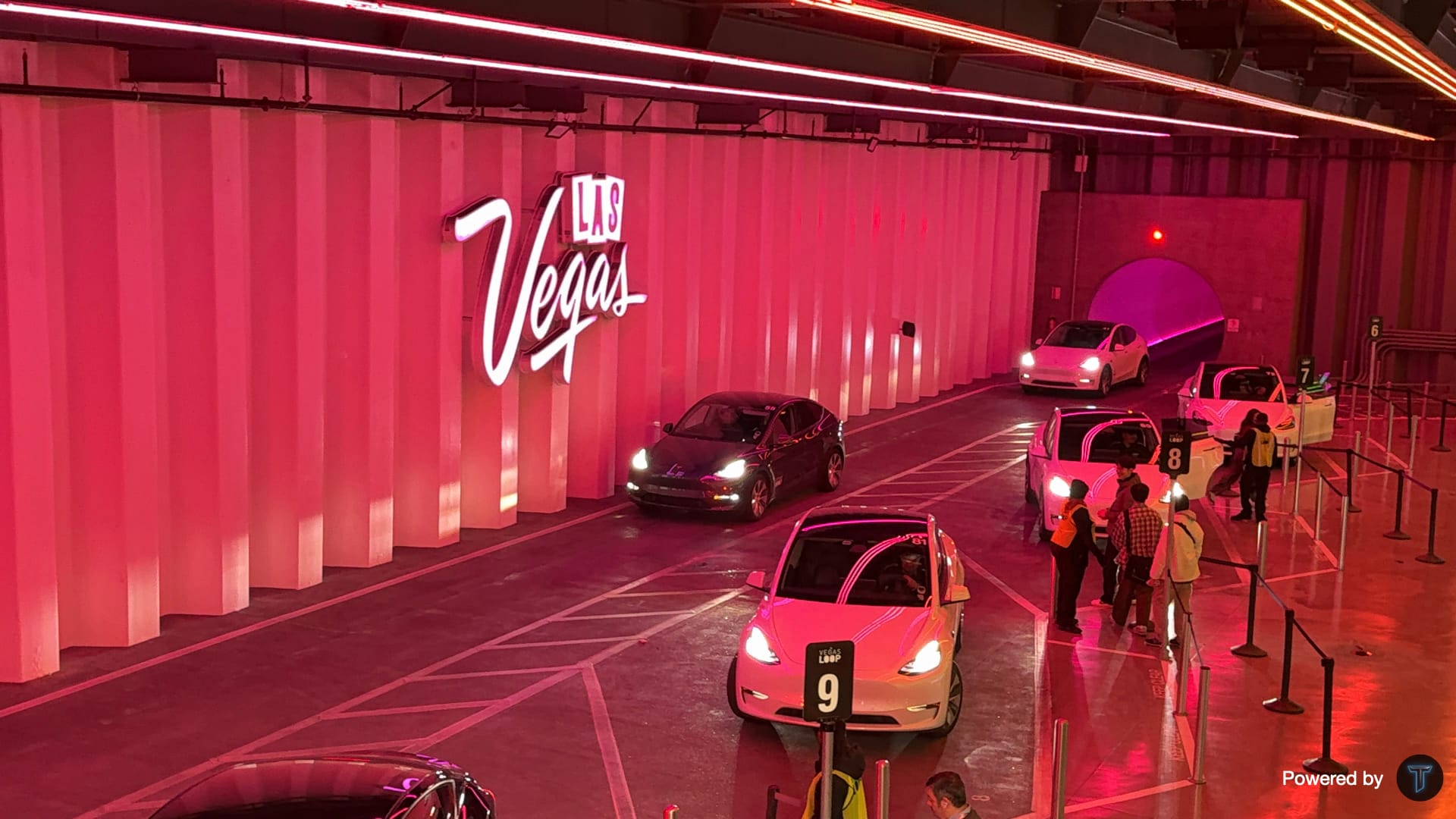
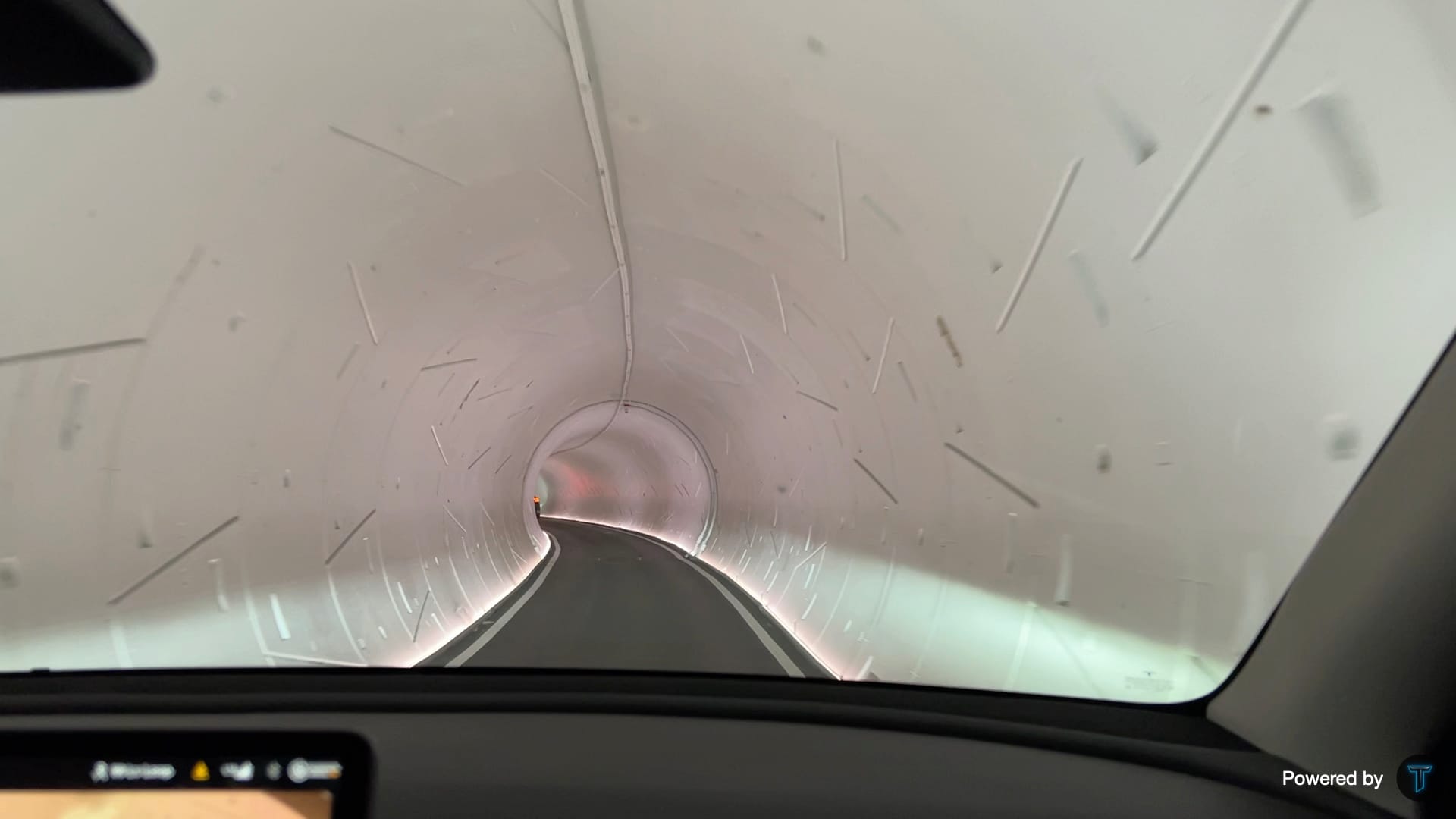
Beneath the West Hall of the Las Vegas Convention Center runs a tunnel bored by The Boring Company. The underground passage is called the Las Vegas Convention Center Loop, and inside it Tesla Model Y and Model X vehicles move without pause, picking up passengers and dropping them off.
The origin story is simple enough. Elon Musk said traffic was driving him insane, and out of that frustration came the idea of a company that would dig beneath cities. In January 2017, The Boring Company was founded as a subsidiary of SpaceX. Even the name has an odd quality to it, a company whose title means "dull" while claiming to solve one of the most stubborn problems in urban life.
Riding in a Model Y or Model X through that tunnel is something I have not forgotten. There is no engine, so there was no worry about exhaust fumes in an enclosed underground space, and the comfort of it, the kind you simply cannot get from an internal combustion vehicle, was a genuine shock. In Korean building parking garages, you can easily spot drivers sitting with the engine running. In Germany, idling even in an outdoor parking lot can earn you a scolding from neighbors. No one there is willing to accept that a person should pump nitrogen dioxide and particulate matter at everyone else just to keep the air conditioning or heater running for their own comfort.
Musk conceived the Hyperloop to enable high-speed travel, and founded The Boring Company to move cars and dedicated transport vehicles quickly beneath the ground. Yet it has never shown the activity of Tesla or SpaceX. So where does The Boring Company actually stand today?
Musk demonstrated formidable capability by successfully launching the Roadster and then the Model S in sequence. The Boring Company, however, is the case that tells us his vision deserves a critical eye.
The Question That Came to Me Inside the Tunnel
Musk has called it foolish to fit vehicles with LiDAR sensors, declaring that Tesla would achieve autonomous driving using camera vision technology alone. In 2023, I had the chance to ride the Vegas Loop in a Model Y together with Junwei Bao, CEO of the LiDAR manufacturer Innovusion, which has since been renamed Seyond. We felt as though we were sitting in the middle of enemy territory. We had entered a tunnel dug by The Boring Company, inside a Tesla electric vehicle, alongside the head of the very LiDAR camp Musk wants to eliminate.
Bao and I debated Musk's philosophy of Full Self Driving. I cannot disclose the content of a private conversation, but exchanging business cards and arguing the point led me to a new thought about the limits of autonomous driving. However much of a genius Musk may be, he cannot always be right. The Boring Company's technology looked to carry far more unresolved problems than I had optimistically hoped. I had expected full autonomy inside the tunnel from Tesla's FSD as well, but the limitation remained: a human driver was still needed for safety.
That limitation has proven remarkably durable. Tesla launched its robotaxi service in Austin in June 2025, and even into 2026 most rides still carried a safety monitor in the vehicle. Musk had promised 500 cars in Austin by the end of 2025 and coverage of half the US population; the reality by early 2026 was roughly 200 vehicles across two cities, with genuinely unsupervised rides confined to a small corridor. If anything, the tunnel gave me a preview of a gap between promise and delivery that would take years to become obvious to everyone else.
What the Tunnel Actually Is
The Las Vegas Convention Center Loop is an underground tunnel 1.7 miles long, about 2.73 kilometers. Construction began in 2019, and from January 2020 onward I witnessed its development on site every year. The line running through the Convention Center south station, central station, west station, and Riviera station was extended to Resorts World station in June 2022 with regulatory approval.
The walls of the tunnel were striking, made of multiple concrete sections joined together in ring form. The strength of concrete is an important measure of its capacity to bear load without failure. The Boring Company developed concrete with a strength exceeding 6,500 pounds per square inch. The distinguishing feature of this concrete is its very high density, which reduces the penetration of foreign matter from outside and gives it greater resistance to degradation. You cannot know this precisely by touch, of course, but it really was hard.
What also interested me was the curing time, seven days rather than the twenty-eight day American industry standard. This rapid curing process shortens overall construction time and holds out the prospect of cost reduction.
The Boring Company developed a second-generation tunnel boring machine called Prufrock. Prufrock boasts enough power to finish in weeks what would take existing machines years. It is said to bore at one mile per week, six times faster than previous equipment. That speed is still four to five times slower than the garden snail you might find in your yard, though the company's medium to long term target is to exceed seven miles per day.
Conventional tunnel construction incurred large costs digging separate pits for the boring machinery. The Boring Company emphasizes that it can begin excavating directly from the surface into the ground and come back up to the surface when the work is done, producing substantial cost savings. The company calls this porpoising: Prufrock arrives on a truck, tilts down, and launches into the ground within twenty-four hours, then emerges at the far end onto a trailer named The Monster, which drives it to the next launch site. No expensive pits, no enormous cranes.
Since I first saw those tunnels, the machine has gained two further capabilities that matter more than raw speed. Older soft-soil boring machines mine about five feet, stop, erect the precast concrete liner, then start again. Prufrock is designed to install the liner while it is still mining, which removes the stop-start rhythm entirely. The company also designs for what it calls Zero-People-In-Tunnel operation, with nobody underground during normal work, controlled instead from an operations center. As of 2026 that center sits in Bastrop, Texas, and remotely runs machines from Las Vegas all the way to Dubai. The stated goal behind all of it is an all-in cost below eight million dollars per mile for a Loop tunnel, achieved through vertical integration, since the company designs and manufactures both the machines and the liners, builds the system, and operates it, and through keeping one standardized tunnel design across every project rather than reinventing the wheel each time.
The Gap Between the Map and the Ground
I would like this good technology to take over the underground world of America's major cities. The reality, however, has been a company struggling even to extend its lines in Las Vegas. Walter Isaacson recorded that The Boring Company remains one of the exaggerated cases among Musk's ideas. That is not to say the company does nothing. In June 2024, footage was released of the third-generation Prufrock boring beneath Tesla's Austin Gigafactory and the surrounding buildings, intended to help people move quickly between parking areas, the factory, and convention halls.
Nine years in, the ledger reads strangely in both directions. On the positive side, the Vegas system has carried more than four million passengers. The Convention Center Loop alone now runs 2.1 miles with five stations, moving over thirty-two thousand passengers a day at peak periods. Connectors to Resorts World, Westgate, and Encore have opened in sequence, the Encore link covering its distance in roughly fifty-five seconds, and a Fontainebleau station opened in late 2025. Eleven stations are now in service.
Set that against what has been approved on paper: sixty-eight miles of tunnel and one hundred and four stations, with a future capacity claim of ninety thousand passengers per hour. Roughly eleven miles have been constructed and about three and a half miles are operational. The distance between the map and the ground remains the defining fact of this company.
The obstacles are not purely engineering. The University of Nevada, Las Vegas turned down a free Loop station, with officials citing concerns that the campus would turn into a park and ride. More seriously, Nevada's occupational safety regulator found ankle-deep water in the tunnels, muck spills, and severe chemical burns, issuing fines exceeding one hundred and twelve thousand dollars. Three citations concerning firefighters injured by chemical exposure were withdrawn in November 2025 after company officials met senior state representatives, with the governor's office involved and both the penalties and the public records removed. Reporting by ProPublica and City Cast Las Vegas described contaminated water waste leaking into public streets and construction fluid pooling as green sludge, and documented close to eight hundred accusations from state regulators across two years. A company whose central pitch is that it can build faster and cheaper than anyone else has to answer for what that speed costs, and those answers have not been fully given.
And yet the money has moved the other way. In July 2026 The Boring Company was reported to be raising four billion dollars at a twenty billion dollar valuation, up from five point seven billion in 2022. Investors are pricing a future that the current tunnel mileage does not remotely justify. Whether that is foresight or the familiar Musk premium is the open question.
Two Cities That Will Settle the Argument
The two projects now under way will tell us more than any valuation.
In Nashville, the Music City Loop received state and federal approval on February 25, 2026, and boring equipment was in the ground the same evening. The Metro Nashville Airport Authority had voted unanimously in favor a week earlier, and the Convention Center Authority granted an easement in March. The plan is roughly ten miles connecting downtown to Nashville International Airport, an underground transit of about eight minutes, with the company claiming it can build thirteen miles of twin tunnels for two hundred and forty to three hundred million dollars. It is privately funded, one of the largest such infrastructure efforts currently under way in the United States, with a first operational segment targeted for late 2026 and the full route by 2029. Notably, the Nashville council voted to oppose the plan even as the agencies with jurisdiction approved it, which is its own comment on how these projects get built.
In Dubai, construction began in February 2026. The first phase covers 6.4 kilometers with four stations linking the Dubai International Financial Centre, ICD Brookfield Place, Zabeel Dubai Mall Parking, and Burj Khalifa. The company projects thirteen thousand passengers a day and a journey from DIFC to Dubai Mall falling from twenty minutes to three. A second phase of 22.2 kilometers and nineteen stations is planned within three years, serving thirty thousand daily. The scale of the precast concrete operation gives a sense of the industrial reality behind the marketing: the first phase alone will use around twenty-five thousand tunnel segments weighing roughly four thousand pounds each, a total tunnel weight near one hundred million pounds, or about forty-five thousand tonnes of lining.
Here, at last, is a fair test. Not a demonstration tunnel under a convention center, but two full urban transit links with airports at one end, deadlines attached, and regulators watching.
The Flamethrower and the Vacuum Tube
In February 2018, The Boring Company unveiled a flame-producing device called the Not-a-Flamethrower. Musk demonstrating it himself with a grin caused a stir at the time. It shipped with a manual as ridiculous as the product name, and with cash enclosed. Because mailing propane is illegal, the company told buyers to go to a nearby store and purchase four hundred grams.
When I first saw the Not-a-Flamethrower I thought it was a real flamethrower, but it was in fact a device that produced flame using propane. The Boring Company released a limited run of twenty thousand units at five hundred dollars, sold out in four days, and made ten million dollars. Joe Rogan questioned whether Musk had the spare time for such a playful project. Musk laughed and answered that, to be honest, it was really a roofing torch with an air rifle cover on it, and that it had not required much of his time at all. It was an interview you simply could not pin down. Musk also hinted that the Hyperloop vision was not finished. In 2022 he stated that The Boring Company would not abandon the Hyperloop. To this day, no concrete details have been made public.
For the Hyperloop to succeed, an environment close to vacuum must be constructed to minimize air resistance. Maintaining that across long distances is not only difficult as an engineering matter but raises serious safety concerns. Continuously guaranteeing the safety of passengers riding an object moving at extreme speed is not a technically easy task.
Contrary to Musk's early conception, building Hyperloop infrastructure that maintains a vacuum across long distances while withstanding varied environmental conditions may cost far more than initially expected. That means it is a project that is difficult to justify economically.
The intervening years have been unkind to the idea. Hyperloop One, the best funded attempt to commercialize it, shut down at the end of 2023 and laid off its staff. Accounts from people who worked on Musk's own version describe a project that was conceptual rather than built, with the fundamental problems left unaddressed: explosive decompression, evacuation from what would have been the world's longest road tunnel, ground conditions prone to collapse. When engineers tested magnetic levitation instead of the original air cushion design, the speed they could safely reach was roughly a third of what had been promised. One environmental assessment concluded the system would carry about a thousand people a day, fewer than a single metro train, and would not change regional travel patterns at all.
The Boring Company still lists a Hyperloop test track in Bastrop, Texas as complete and in use. Whether that represents a live research program or a placeholder for an idea nobody wants to formally bury, we cannot say from the outside.
What This Should Teach Us
The attempt to develop the Hyperloop offers a lesson: we should coldly analyze the development status of the new technologies Musk pursues, including Neuralink, full autonomous driving, and humanoid robots. However remarkable a person Musk may be.
If he announces Master Plan 4, he will be close to sixty. Considering that he is devoting limited time and resources to reaching Mars, the technology areas among his countless statements that deserve prioritized judgment come down to AI including FSD, Starship, and Neuralink.
Nine years of tunneling have not changed that conclusion so much as sharpened it. The Boring Company has built something real, and four million passengers are not nothing. It has also fallen far short of what it announced, drawn serious safety findings, and been rewarded with a twenty billion dollar valuation regardless. Both things are true at once, and holding both is the only honest way to read anything Musk builds.
The tunnels in Nashville and Dubai will give us the cleanest answer we have had yet. Not because they are the most ambitious thing the company has attempted, but because they are the first things it has promised on a public deadline that ordinary commuters, not conference attendees, will actually use.
For research inquiries or collaboration, contact: ceo@technorns.com
This article was researched and written by the author. Figures and statistics are drawn from official published materials, but the research and calculations were performed by a person and may contain errors. Satellite counts and fleet figures change weekly and are current as of publication. Corrections are welcome at ceo@technorns.com. AI tools were used in research and drafting. Final verification and editorial responsibility rest with the author.