Two Roads to Autonomy: Why Tesla and Nvidia Are Not Playing the Same Game
Tesla and Nvidia are fighting two different autonomy wars. CES field reporting and Tesla's Dojo chip saga reveal why the two strategies rarely collide.

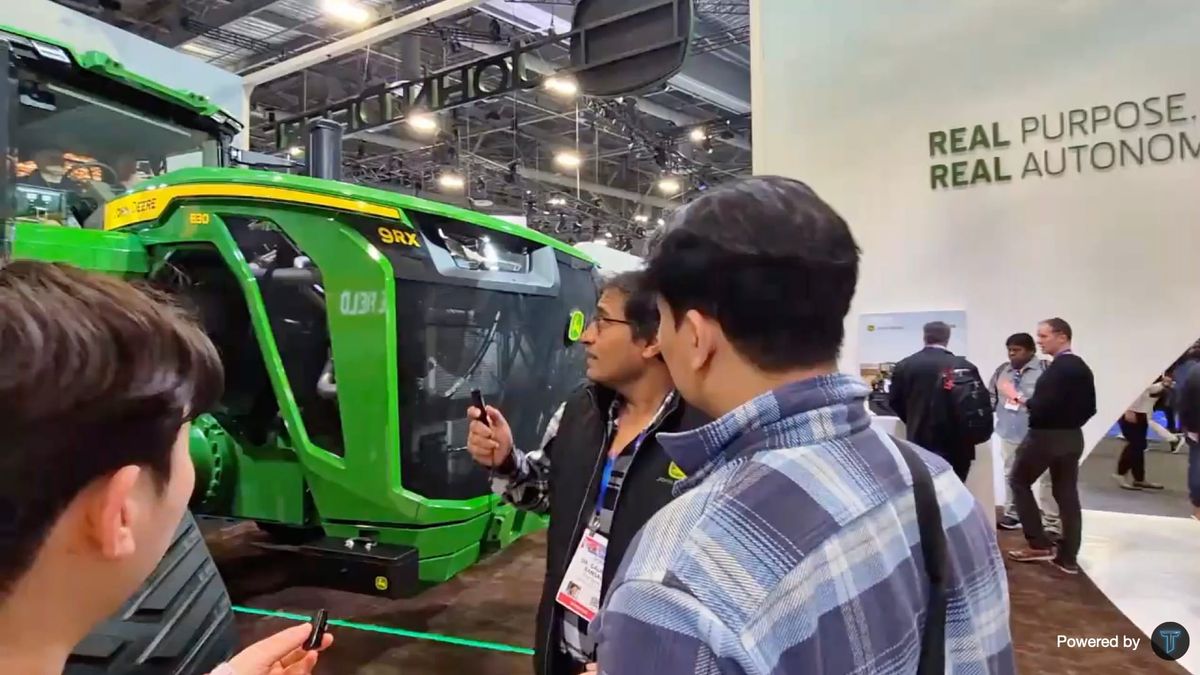
Year after year I have sat down with Deere & Company at CES, and each conversation left me with the same impression. The self-driving race is not one race but two, run on separate tracks with different rules. On one track stands Nvidia, selling the shovels. On the other stands Tesla, insisting on digging the whole mine itself. Understanding that split is the key to understanding where autonomy is actually headed.
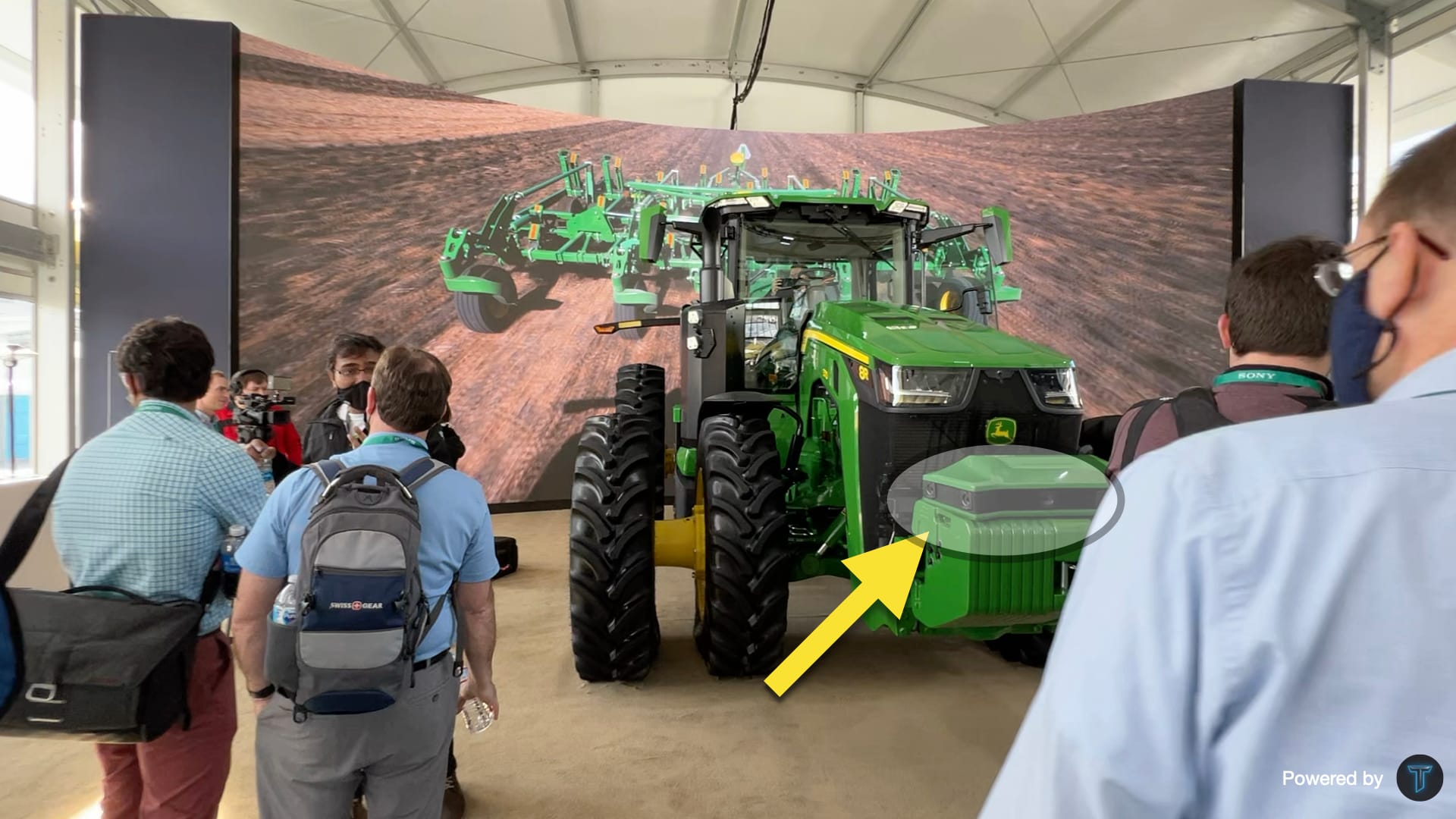
Start with Nvidia. Its strategy is horizontal. Nvidia does not want to build a car. It wants to sit inside every car. Through platforms like DRIVE AGX and the Jetson compute modules, it hands automakers a flexible, general-purpose foundation and lets them assemble their own autonomy on top. That is why the customer list reads like an industry roll call: John Deere in the fields, Mercedes-Benz, Toyota, Audi, and Volvo on the road. Deere's autonomous tractor is a clean example, and I have watched it grow up on the CES floor. The 8R I saw in 2022 was the first-generation architecture: six pairs of stereo cameras, trained to recognize the constant elements of a field, soil, treelines, sky, and to stop the moment it saw something that was none of those.
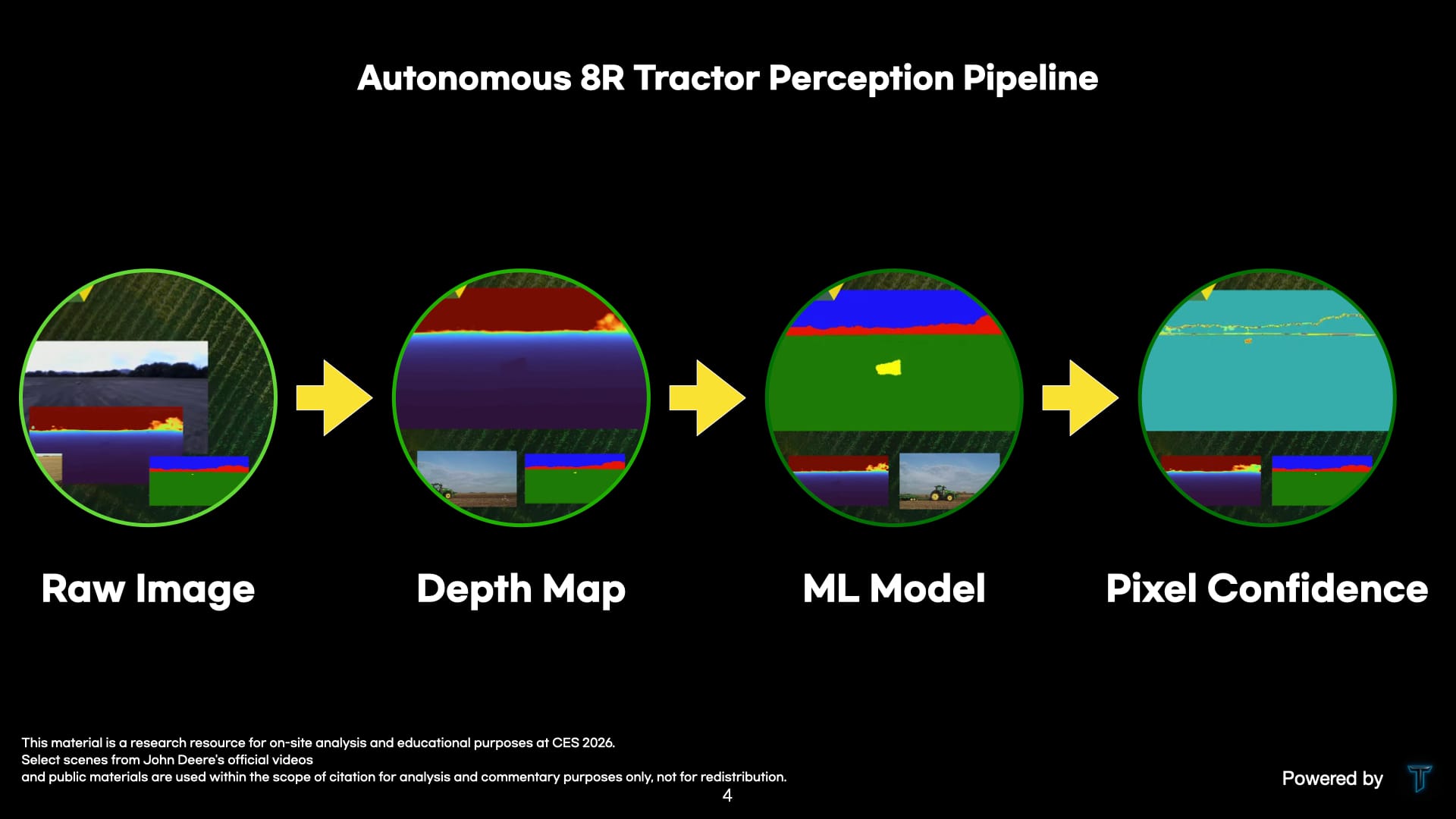
By 2025 that had become the 9RX, running the second-generation kit: sixteen cameras arranged in four pods for a full 360-degree view, up from twelve. The feeds run into two vision processing units built on Nvidia's Orin processors, which classify the scene in milliseconds so the machine can decide whether the shape ahead is soil, a tree trunk, or something it must stop for. Extra overlapping cameras let the system check itself and push detection range from sixteen meters to twenty-four, which is what lets the tractor run roughly forty percent faster.
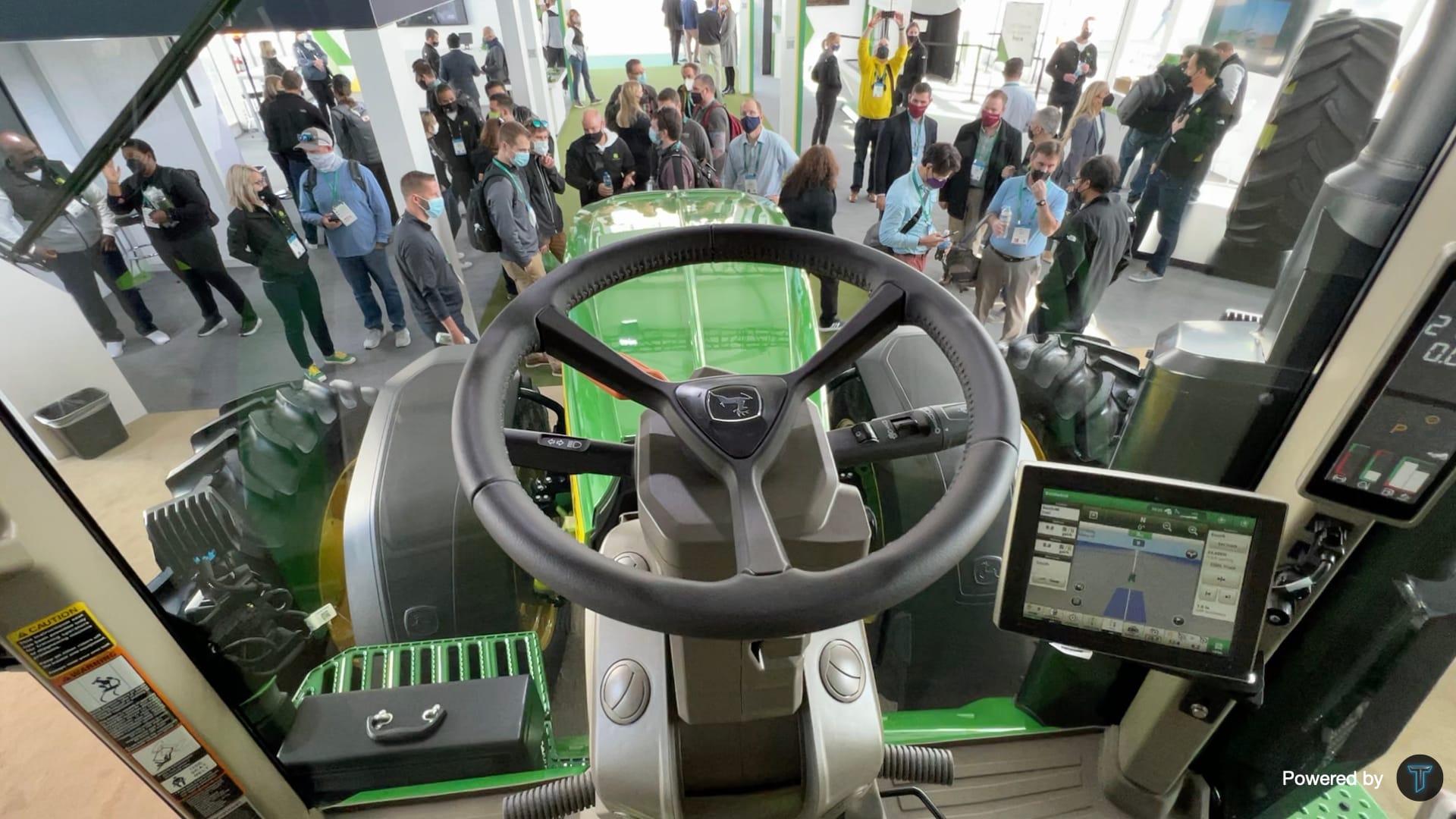
Farmers now supervise the machines remotely through the John Deere Operations Center app, and Deere has tied that connectivity to SpaceX Starlink so the data keeps flowing even where cellular coverage runs out. Nvidia supplied the engine. Deere supplied the domain. That division of labor is the whole point, and Deere is betting on it all the way to fully autonomous corn and soybean farming in the United States by 2030.
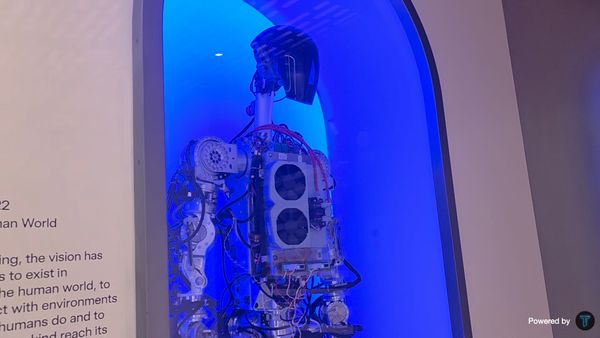
Tesla refuses that division. Its strategy is vertical. Where Nvidia sells one platform to everyone, Tesla builds one stack for itself and guards it: the chips, the neural networks, the vehicle, and increasingly the humanoid robot meant to inherit the same driving intelligence. The philosophies even diverge at the sensor. The Nvidia-centered alliance fuses cameras, radar, and lidar. Tesla bet the company on cameras alone, arguing that if a human drives with two eyes and a brain, a machine should manage with cameras and a neural network. It is a riskier bet, and a more revealing one.
Yet the two camps share the same underlying engine, and this is what most critics miss. Both believe autonomy is won by a data flywheel. More miles produce more data, more data trains better models, better models attract more usage. Whoever spins that wheel fastest pulls away. Deere has been collecting field imagery since 2019. Tesla harvests from its global fleet. The moat is not a clever algorithm frozen in place. It is the compounding loop.
Here is where the story turned since I first wrote about it. Vertical integration is expensive, and the receipts came due. Tesla spent years building Dojo, its in-house training supercomputer, to escape dependence on Nvidia. In August 2025 Musk shut the project down, calling the second-generation design an evolutionary dead end, and the core team scattered into a new startup. Tesla then did the pragmatic thing. It leaned back on outside suppliers, Nvidia and AMD, for training compute while redirecting its ambition into custom AI5 and AI6 chips, with TSMC and a reported 16.5 billion dollar Samsung deal handling manufacturing. By January 2026 Musk was already reviving the idea under a new name, a "Dojo 3" imagined as many AI6 chips packed onto a single board.
Read that sequence carefully, because it is the real lesson. The vertical path is not a straight line. It is a series of expensive corrections. Tesla's independence from Nvidia is a destination it keeps walking toward and keeps having to renegotiate. Nvidia, meanwhile, wins either way. When Tesla builds its own chip, Nvidia loses one customer. When Tesla stumbles, Nvidia gains that customer back. The arms dealer does not need to pick the winner of the war.
So which model is right? The honest answer is that they are optimized for different things. Nvidia's horizontal platform spreads risk and monetizes the entire industry's uncertainty. Tesla's vertical stack concentrates risk in exchange for control and, if it works, a margin no supplier can tax. One is a bet on the market. The other is a bet on itself.
What unsettles me, watching this from Korea, is that both bets demand the same two ingredients in enormous quantity: time and capital, poured in with no guarantee of return. When interest rates rise and asset prices wobble, that is exactly the appetite that fades first. The American firms that refuse to quit, and the Chinese firms chasing them, are the ones positioned to capture the reward. The question I keep asking is not whether Tesla or Nvidia has the better strategy. It is whether anyone here is willing to run either race at all.
For research inquiries or collaboration, contact: ceo@technorns.com