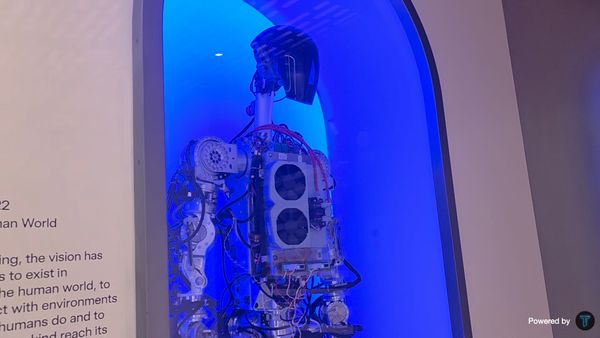
Robots Have Started Walking. Grasping Is Still Open.
Walking got solved. Grasping did not. And the winning answer in 2017 was to abandon the human form entirely.
Walking got solved. Grasping did not. And the winning answer in 2017 was to abandon the human form entirely.
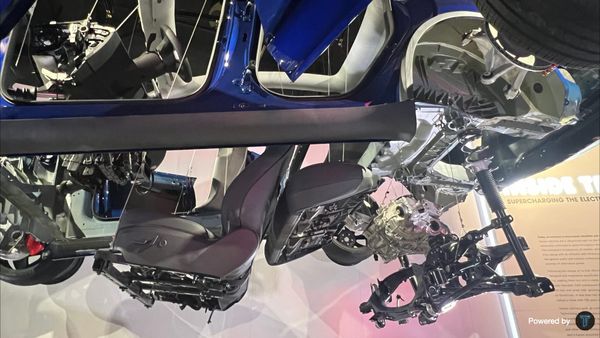
In 2024 I looked at the U-shaped front casting and pictured Optimus working inside it. That shape disappeared with the unboxed process. Fremont's car line became a robot factory in 46 days.
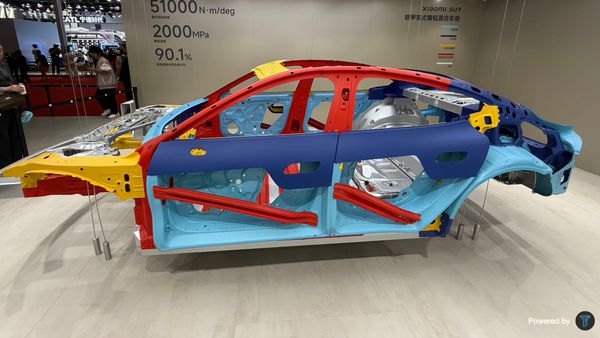
The casting hung on a side wall. The front wall had a body painted in five colours and a materials legend. China isn't copying gigacasting. It moved the argument to the alloy.
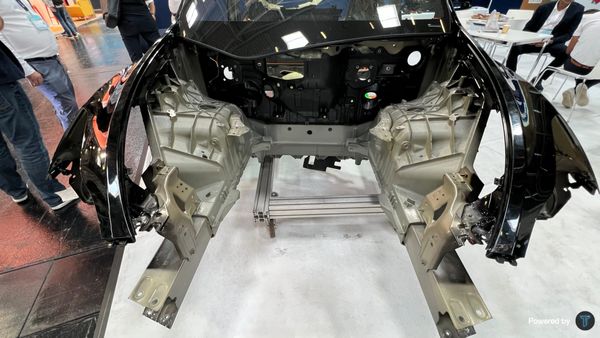
A Model Y front casting in Germany, a rear casting at the Petersen, and a Tesla store in Hangzhou on a weekday. Three things I wrote down while standing in front of them.
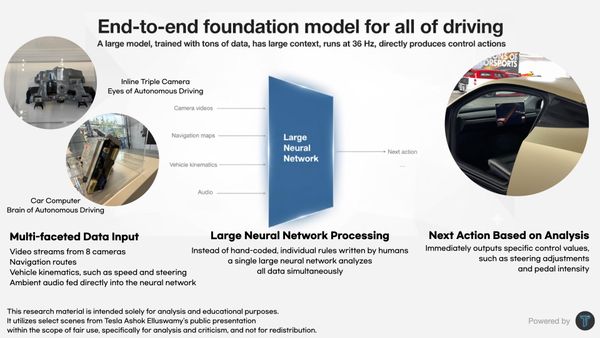
Four of the five steps I set out in 2024 were confirmed by Tesla's head of AI. Dojo only changed its name. What changed is the question: once you abandon rules, what do you verify against?
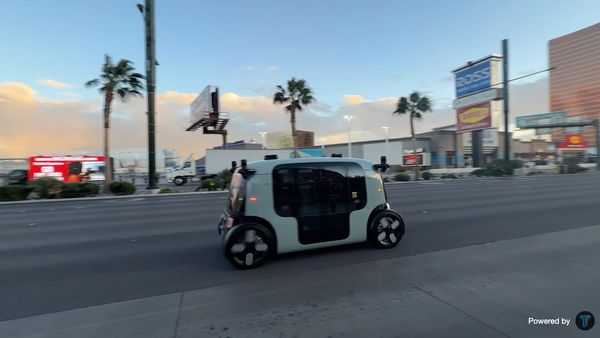
Removing the steering wheel turned out to be the easy part. What Zoox was waiting for all along was not better software. It was a document from a federal regulator.
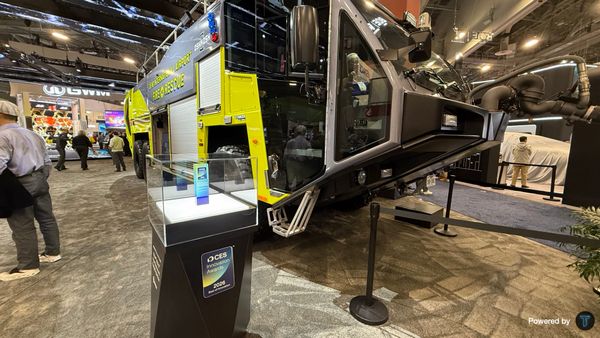
Only one company took two Best of Innovation awards at CES 2026. The judges' reasoning stays sealed, but the text they scored is public. What Oshkosh put in front of thirty scorecards, and why it held.
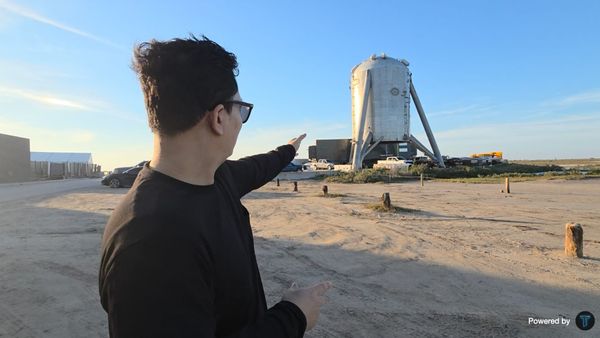
Financial statements record the past. The factory floor shows the future. Inside SpaceX, from Goddard's 1926 rocket to the Nasdaq listing.
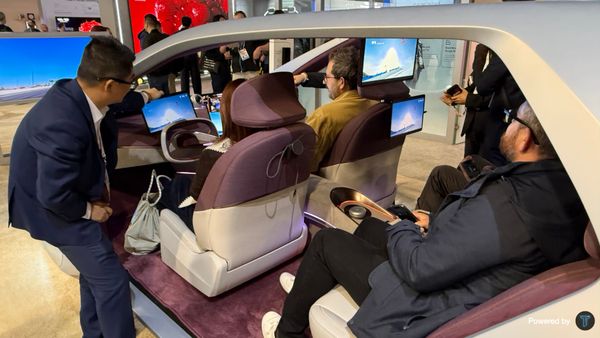
At CES 2026 TCL occupied the Central Hall floor Samsung vacated. The panel supply chain, shipment share, premium brands, Olympic sponsorship, and now the car cabin.
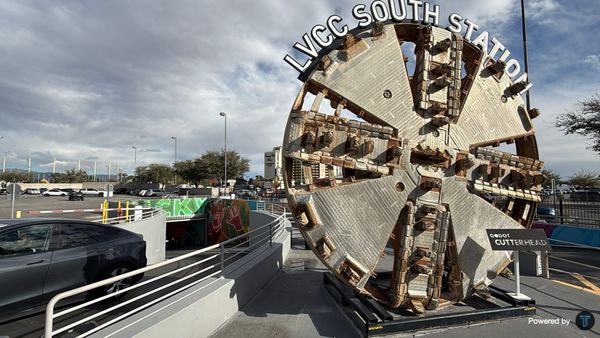
Nine years in, Musk's tunnel company has four million riders, real safety violations, and a twenty billion dollar valuation anyway.
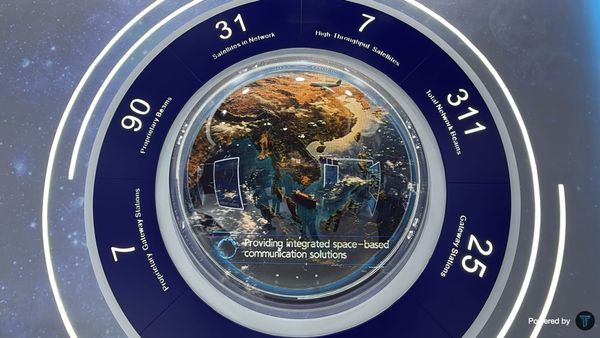
Tesla put Starlink in the Cybercab in July 2026. Geely's robotaxi arm had done it twelve months earlier.
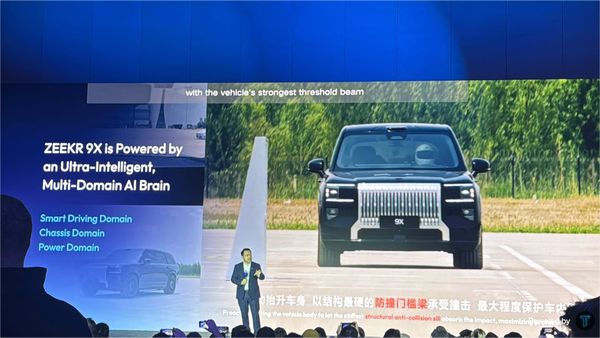
Tesla and Nvidia are fighting two different autonomy wars. CES reporting, the Dojo chip saga, and China's Geely reveal why the two strategies still haven't converged.
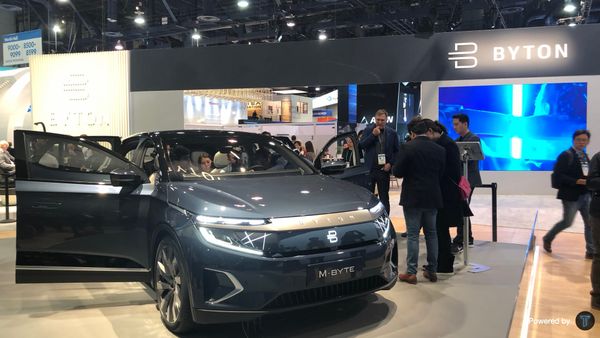
Mobility
Byton had money and design. It never built the car. In EVs, the real barrier was never the concept.
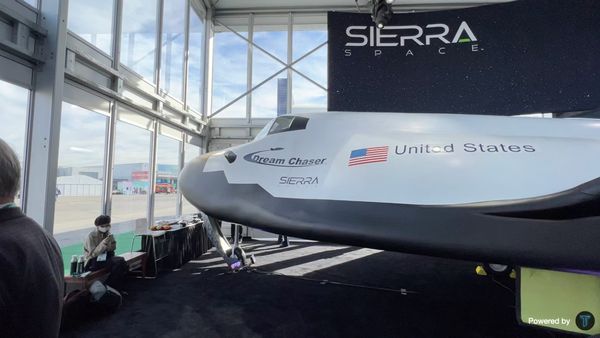
Space Tech
A booth full of gorgeous hardware, and one question nobody there was asking out loud: what's actually going to launch any of it?
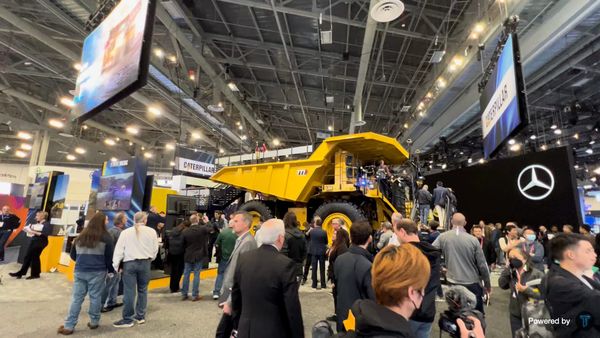
AI
Analyzing Caterpillar’s industrial autonomy at CES 2026 and its shift to edge AI via Nvidia Thor. Validated by quarry data, we balance multi-sensor redundancy against high capital barriers.
AI
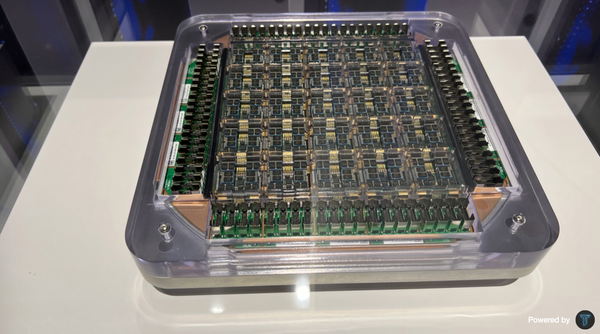
This analysis deconstructs Tesla's Dojo through the lens of AI history, from symbolic reasoning limits illustrated by the Hanoi Tower problem to modern neural scaling. We balance the reality of its 2025 pause with the vision of its 2026 turn toward orbital compute.
AI
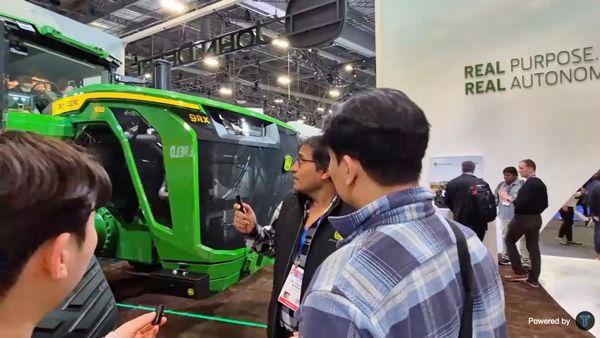
Tesla and Nvidia are fighting two different autonomy wars. CES field reporting and Tesla's Dojo chip saga reveal why the two strategies rarely collide.
AI
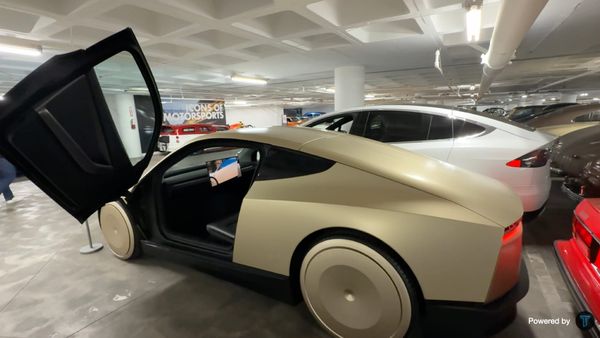
Explore Tesla's pure vision FSD and Cybercab. We analyze its hardware minimalism against sensor fusion, weighing the hope of real-world safety against the despair of black-box AI limits.
AI
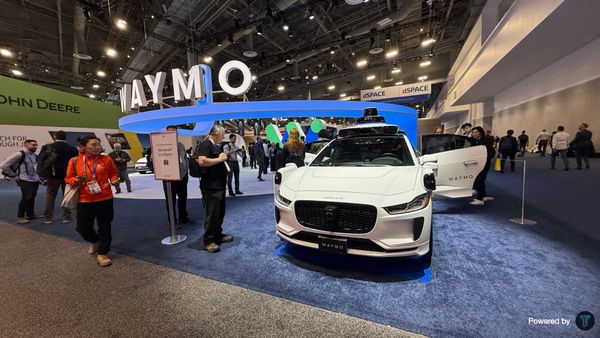
Analyze Waymo's sensor hardware evolution from Jaguar to Ojai at CES. Deconstructing cameras, radars, and lidars, we show how sensor fusion secures safety. This breakdown contrasts Waymo with Tesla's pure vision AI, framing the future of autonomous driving.
Space Tech
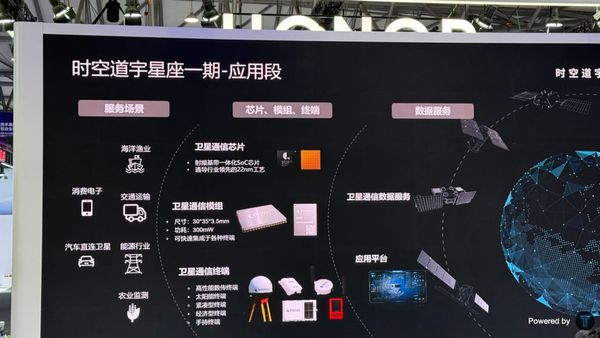
How China's 6.8M base stations and open satellite modules challenge Starlink's monopoly.
Space Tech
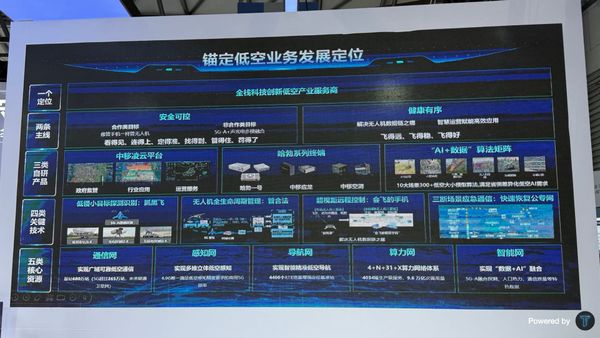
Starlink fuels SpaceX but requires carrier partners. In dense markets with 6.8M base stations, terrestrial infrastructure forms a structural wall rendering satellite broadband unnecessary.
Space Tech
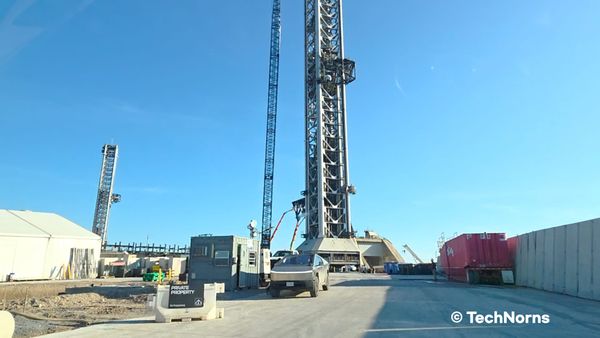
Why SpaceX Chose Methane for Raptor: reusability, Mars ISRU, and cleaner burn. The real reason Starship will reach Mars.
News
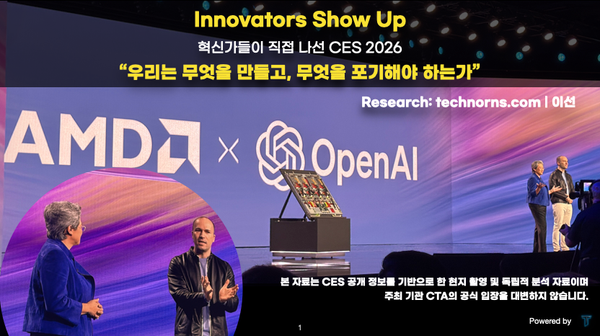
Every year, I attend CES in person and turn my on-site research into a 100+ page report. Here's how CES 2026 breaks down into three megatrends and what they mean for business leaders.
AI's power demand is outgrowing the grid. Why the next data centers may run in orbit, where the sun never sets and SpaceX controls the one cost that matters.